For entrepreneurs and small business owners, delivering an exceptional customer experience goes beyond offering top-quality products and services—it also depends on optimizing internal operations. More businesses are discovering how to enhance customer experience through streamlined operations by embracing strategies that boost responsiveness, consistency, and efficiency. In this article, we explore actionable methods to align your operational processes with customer expectations, ensuring every interaction makes a positive impact.
The Importance of Operational Excellence in Customer Experience
Today’s customers expect seamless transactions, friendly service, and fast problem resolution. By fine-tuning your internal systems, you empower your team to provide superior service at every touchpoint. In a competitive market, operational efficiency is a key driver of customer satisfaction. Streamlined processes minimize wait times, simplify communication, and create a reliable service environment that builds lasting customer loyalty.
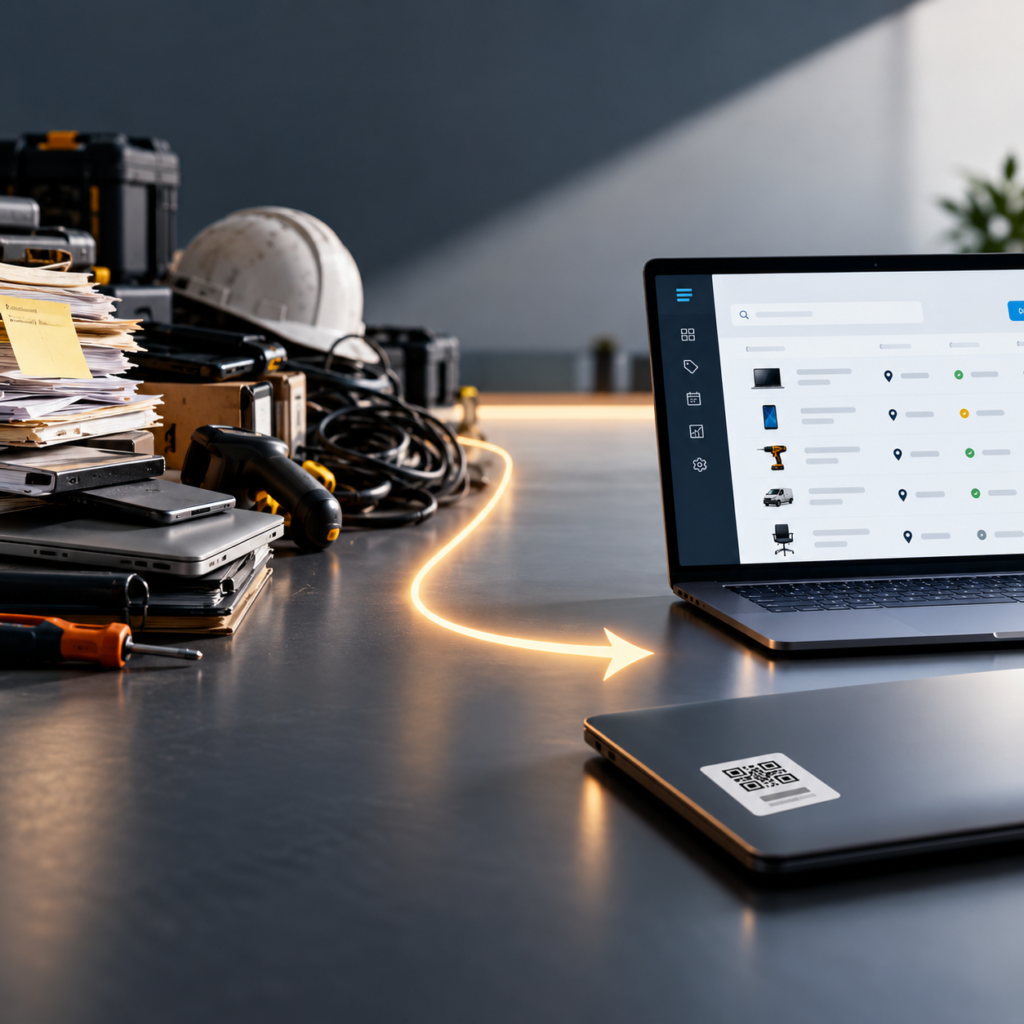
Enhancing customer experience through refined operations begins with examining your business workflows. Ask yourself: Do your internal processes inspire staff to deliver excellence consistently? Are there redundancies causing delays or miscommunications? Even small adjustments—from simplifying your ordering system to improving inventory management—can significantly elevate the customer journey.
Streamlining Processes for a Customer-First Approach
Implementing a customer-first approach requires a thorough evaluation of your daily operations. Consider these key tips:
- Audit and Optimize: Regularly review your internal workflows by mapping out the customer journey. Identify potential pain points where delays or errors may occur, and redesign processes to eliminate obstacles. Automated inventory checks, for example, can help prevent order mistakes and delivery delays.
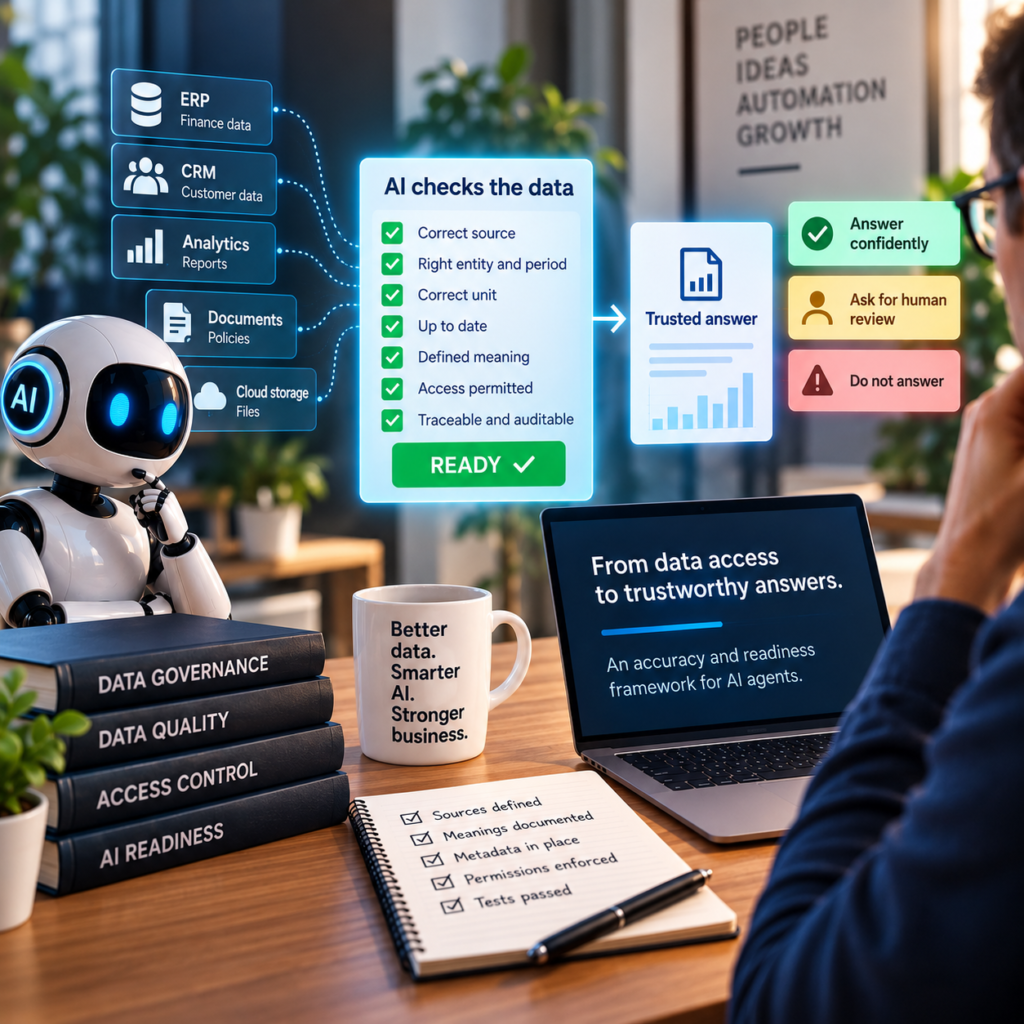
- Embrace Technology: Leverage technology to streamline operations. Integrate customer relationship management (CRM) systems and enterprise resource planning (ERP) solutions to better manage customer feedback, order tracking, and service requests. These tools help detect patterns, address recurring issues, and enable proactive problem-solving.
- Empower Your Team: Provide employees with the necessary tools and training to master new systems. A well-prepared team can handle disruptions effectively, ensuring consistent and high-quality service regardless of which team member a customer interacts with.
- Commit to Continuous Improvement: Make customer feedback a cornerstone of your improvement strategy. Regularly review and adjust your processes to remain agile in meeting evolving customer needs and market challenges.
Implementing these strategies fosters a culture that values both operational efficiency and customer care, leading to increased productivity and a more fulfilling customer experience.
Leveraging Data and Feedback to Drive Service Excellence
Data is a vital asset for improving customer service. Monitoring key performance indicators (KPIs) and gathering customer feedback offer valuable insights into operational challenges and opportunities for refinement. Metrics such as average resolution time, Net Promoter Score (NPS), and customer satisfaction ratings reveal how effectively your streamlined operations are performing.
By integrating real-time data analytics with customer management tools, businesses can make swift, data-driven adjustments. Imagine receiving an alert when a service delay occurs—prompt action can transform a potential complaint into a positive experience. This proactive approach shifts customer service from reactive to anticipatory, ensuring higher satisfaction.
Industries like retail exemplify this strategy by using feedback to refine inventory systems and ensure that popular items are consistently available. A recent Forbes article highlighted that companies acting on customer insights not only enhance operational efficiency but also boost customer retention. This proactive mindset addresses current issues while laying the groundwork for future improvements.
Implementing Technology to Enhance Operational Efficiency
Modern technology offers transformative opportunities to refine your operational systems. Automation tools and advanced software solutions play critical roles in managing the internal processes that drive memorable customer experiences.
Digital platforms can significantly improve customer interactions. Automated chatbots, for instance, offer immediate responses to basic inquiries, reducing wait times and demonstrating that every customer is valued.
Enterprise resource planning (ERP) systems bridge the gap between different operational departments, ensuring that sales, inventory, and logistics work in harmony. When departments share information seamlessly, delays and conflicting messages are minimized, enhancing the overall customer experience.
Small business owners can greatly benefit from these technological solutions. Visit our page featuring Effective Operational Strategies for Businesses for insights tailored to the unique challenges faced by entrepreneurs. These practical tips demonstrate how to boost customer experience through streamlined operations and modern tools.
Fostering a Culture That Prioritizes Customer-Centric Operations
While technology and data are essential, the success of operational improvements ultimately depends on your organizational culture. A customer-centric culture is built on trust, accountability, and the understanding that every team member contributes to the overall customer experience. This integrated approach ensures that internal interactions align with the external service your customers receive.
Leadership must set the tone by articulating a clear vision that connects operational practices with customer satisfaction. When every employee understands the impact of their role on the customer journey, the positive effects are significant. Training programs, internal workshops, and open communication channels help embed these values into your company’s culture.
Celebrating small wins—such as positive feedback for quickly resolving an issue—reinforces the benefits of modernized operations. Recognizing these achievements motivates your team to strive for continuous improvement and innovative problem-solving before issues escalate.
In today’s ever-evolving market, a strong focus on operational excellence translates directly to customer loyalty and business growth. When customers see your commitment to high-quality service and ongoing improvements, their trust in your brand deepens.
Looking forward, customer service will continue to evolve with emerging technologies and personalized experiences. By implementing practical steps for operational optimization, you position your business at the forefront of excellence while keeping customers at the heart of every decision.
Continuously evaluate your operational strategies, maintain open communication with your team, and stay updated on industry trends. This ongoing commitment not only ensures your competitiveness but also drives sustained customer satisfaction and business success.
- Operational excellence directly elevates customer satisfaction.
- Embracing technology and data analytics streamlines processes for better service.
- A customer-centric culture begins with strong leadership and impacts every interaction.
- Ongoing evaluation and customer feedback are key to continuous improvement.