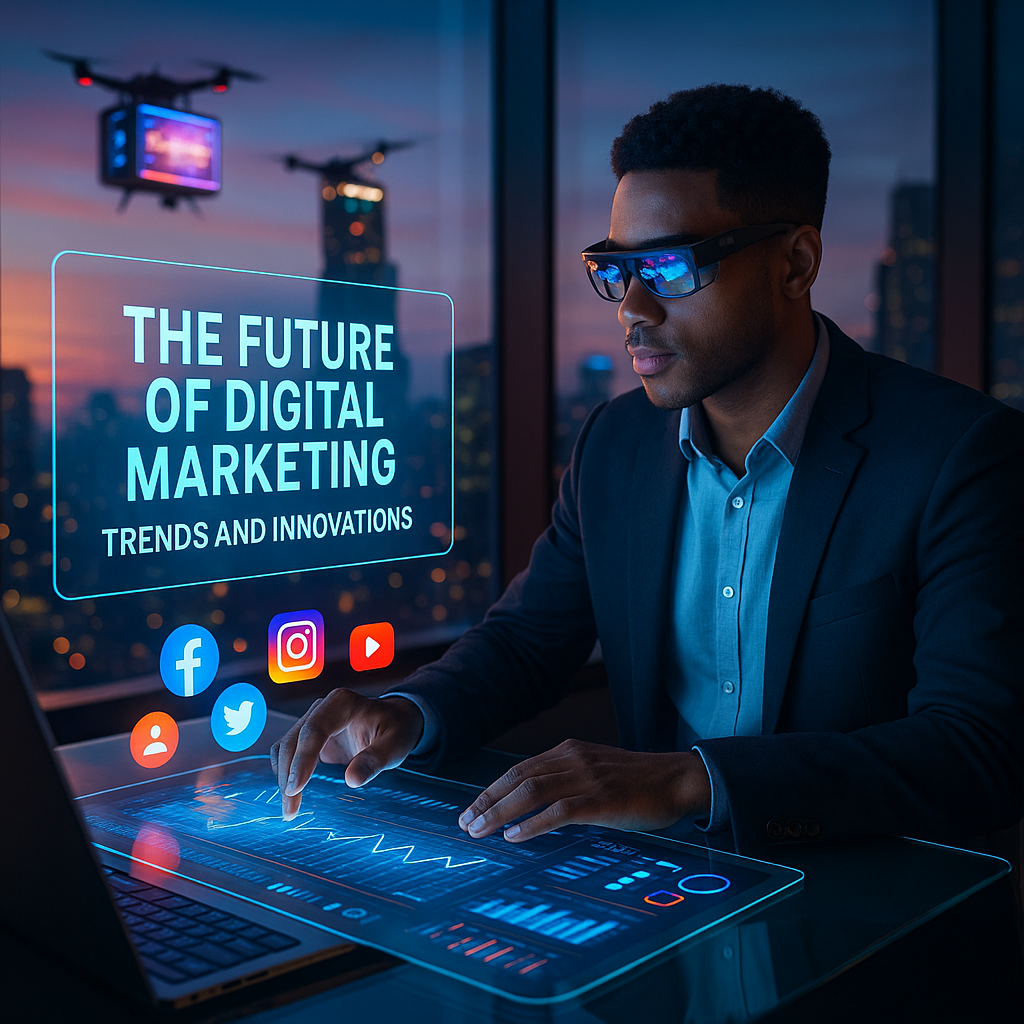
In recent years, digital marketing has transitioned from a niche experiment to a vital tool for engaging customers and driving business growth. Whether you are an entrepreneur or a small business owner, staying informed about the latest digital marketing trends is crucial to outpacing the competition in our fast-paced digital era. This article explores how groundbreaking technologies and strategic innovations are transforming digital marketing, offering businesses new ways to secure a competitive advantage.
Understanding the Shift in Digital Marketing
The digital environment is in constant flux, merging creative storytelling with data-driven insights. Today’s digital marketing goes far beyond simply placing online ads—it requires a profound understanding of customer behavior and the latest technological advancements. Experts agree that we are on the doorstep of major transformative innovations aimed at business growth, from artificial intelligence to immersive experiences like virtual reality. These advancements not only captivate today’s consumers but also streamline operations and boost overall efficiency.
Entrepreneurs are increasingly focused on future digital marketing trends innovations that offer a competitive edge through personalized customer experiences. Traditional mass marketing is giving way to targeted approaches driven by data analytics and automation. This shift towards personalization, combined with an emphasis on authenticity, ensures that businesses remain relatable in an increasingly crowded digital space.
Emerging Digital Marketing Strategies and Technology
Modern marketing is about more than just adopting new tools—it is about integrating emerging digital marketing strategies and technology into a coherent overall plan. Advanced tools powered by artificial intelligence and machine learning are now vital for analyzing consumer data, predicting trends, and optimizing campaigns in real time. For instance, chatbots and virtual assistants have revolutionized customer service by providing immediate, personalized support.
Social media platforms are rapidly evolving, and marketers must adapt to changing algorithms and user behaviors. Incorporating interactive elements such as live video, tailored content, and influencer collaborations can greatly enhance visibility and engagement. According to a Forbes study, companies that embraced interactive and personalized online experiences achieved higher engagement and conversion rates.
While adopting new technologies can be challenging—especially for small businesses—resources like makebusiness.eu offer valuable guidance for navigating these changes. The key is to blend creativity with technology to create marketing campaigns that truly resonate.
The Transformative Power of Digital Innovations
Businesses that invest in transformative digital marketing innovations for business growth position themselves for success in a rapidly shifting market. Automation platforms are revolutionizing marketing by reducing repetitive tasks and enabling highly personalized campaigns with minimal manual effort.
Advanced data analytics now allow for enhanced customer segmentation and targeted outreach. By understanding customer behavior, businesses can craft campaigns that directly address the needs and interests of their audience. This data-driven approach ensures that marketing budgets are spent wisely and delivers measurable results. Combining data insights with creative strategies has unlocked opportunities that were once the domain of only the largest corporations.
Consider the integration of augmented reality (AR) and virtual reality (VR) into marketing—technologies that create immersive experiences and forge deeper brand connections. Whether it’s a boutique offering virtual try-ons or a real estate agency hosting virtual home tours, these innovations engage customers in powerful, memorable ways and foster lasting loyalty.
Staying Ahead in a Rapidly Changing Environment
Successfully implementing new digital strategies demands adaptability, a commitment to learning, and continuous improvement. Entrepreneurs and small business owners should view evolving their digital strategies as a long-term investment in their brand. Staying abreast of the latest marketing tools and consumer trends is essential. Leveraging big data and machine learning not only refines targeting but also ensures agility amid shifting market demands.
Starting small and gradually scaling innovative ideas can reduce risk for small business owners. Pilot projects that are carefully tested and measured before full-scale implementation offer valuable insights and pave the way for robust, long-term marketing strategies.
Networking with industry professionals, attending webinars, and participating in online communities can also be immensely beneficial. These platforms offer a wealth of shared knowledge and ongoing support, empowering you to make informed decisions on which innovations to adopt.
Though adapting to fast-paced changes can feel overwhelming, embracing digital marketing evolution is essential for sustainable growth. Harnessing the combined power of technology and creativity will empower small businesses to thrive in today’s interconnected world.
Entrepreneurs attuned to future digital marketing trends innovations are well-equipped to transform their business operations. By understanding and leveraging emerging digital marketing strategies and technology, companies can shape their niche markets, enhance customer interactions, and drive profitability. The secret to success lies in being proactive, staying open to new ideas, and continuously experimenting with innovative approaches.
The journey toward digital mastery is ongoing. With an array of tools and strategies at your disposal, the future of digital marketing is bright for those ready to innovate. Whether you’re refining your content strategy or exploring immersive technologies, the steps you take today will prepare your business for success in tomorrow’s dynamic market.
As we progress deeper into a tech-centric era, digital marketing will continue to challenge and inspire us. By blending the art of storytelling with data-driven precision, businesses can forge enduring relationships with customers and confidently navigate a rapidly evolving market. The power to transform lies in a willingness to experiment, learn from missteps, and develop solutions that truly engage your audience.
In summary, while digital marketing is complex and ever-evolving, its strategic application can differentiate between stagnation and growth. For small business owners looking to seize new opportunities, staying informed, adaptable, and ready to embrace innovative technologies is key for long-term success.
- Digital marketing is evolving rapidly and plays a crucial role in business growth.
- Emerging technologies like AI, VR, and AR are creating immersive customer experiences.
- Data-driven, personalized marketing strategies are essential for success.
- Continuous learning and experimentation are critical for adapting to future trends.