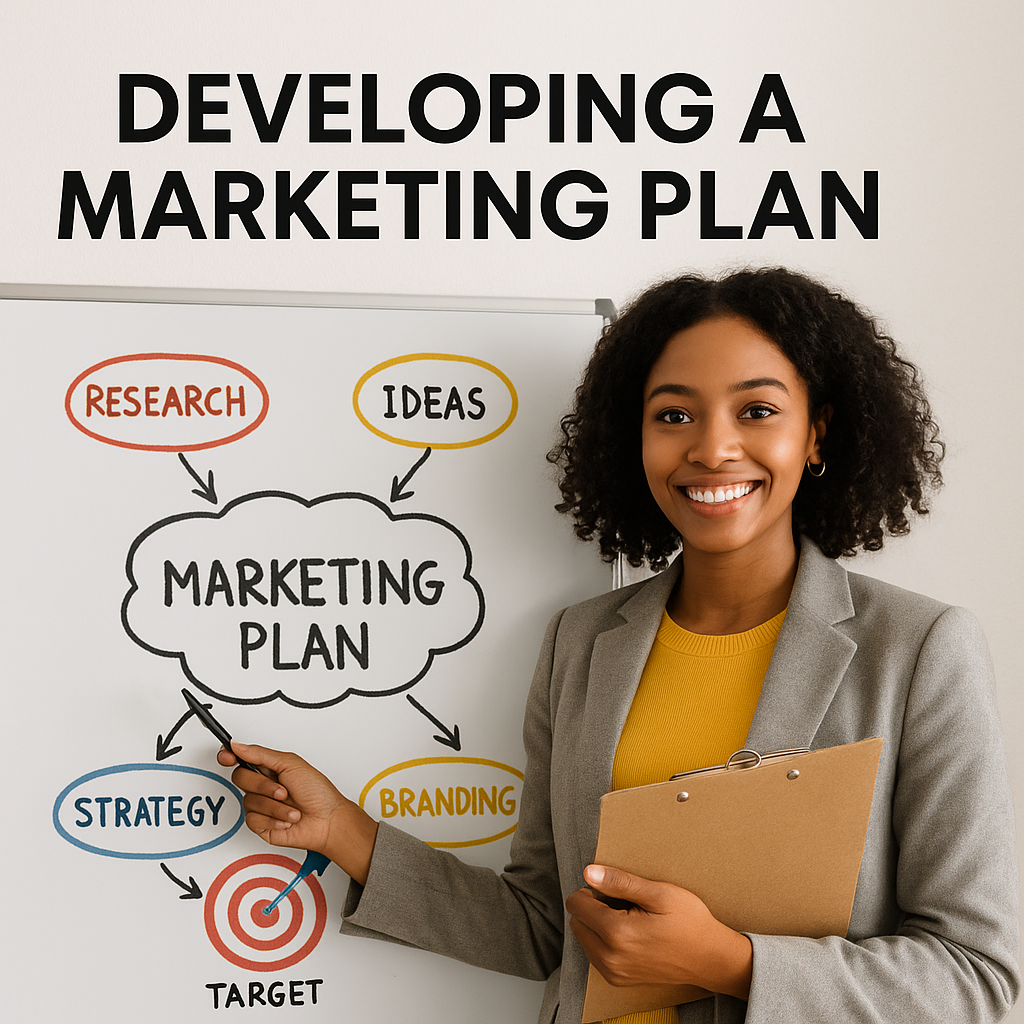
In today’s fast-paced business landscape, staying ahead means having a marketing plan that evolves with market trends. A well-crafted and adaptable marketing plan can set your business apart from the competition. This guide is designed to help entrepreneurs learn how to develop a comprehensive marketing plan that drives real results.
Understanding the Importance of a Tailored Marketing Strategy
A robust marketing plan not only charts your path forward but also aligns your team with clear, common objectives. Many small business owners face the challenge of operating with limited resources while seeking high-impact marketing strategies. A personalized approach—rather than a one-size-fits-all model—ensures that your marketing plan resonates with your unique brand identity and targets your specific market niche.
Start by assessing your current market position, identifying your target audience, and evaluating your competitors. This in-depth analysis forms the foundation of your strategic plan. It’s not just about collecting data; it’s about interpreting that data to make informed decisions that drive sustainable growth.
Steps to Building Your Marketing Plan
If you’re searching for a step-by-step guide to creating a winning marketing plan, you’ve come to the right place. Follow these essential steps to develop a plan that propels your business forward:
1. Define Your Mission and Objectives
Begin by clearly articulating your business’s mission and core values. Setting your vision and establishing both short-term and long-term objectives will form the backbone of your marketing plan. Ask yourself: What are my key business goals? What steps will drive success and growth? This clarity will help guide every subsequent decision.
2. Conduct Market and Competitor Analyses
With your mission and objectives in place, dive into research. Gather insights on current market trends, customer behaviors, and competitor strategies. A SWOT analysis—identifying strengths, weaknesses, opportunities, and threats—is a proven method for refining your approach. Trusted sources like Forbes emphasize that a data-driven strategy reveals market gaps and sharpens your competitive edge.
3. Develop Your Unique Value Proposition
Your unique value proposition is the heart of your marketing message. Identify what sets your business apart from competitors. A compelling value proposition not only enhances your pitch but also ensures consistency in your marketing communications across all channels, making it easier for customers to understand the distinct benefits of your product or service.
4. Choose the Right Marketing Channels
Selecting the optimal marketing channels is crucial. Your decision should be guided by your target audience’s preferences. Some businesses see greater success with digital channels like social media and email marketing, while others benefit from traditional approaches such as local networking or print media. Experiment with different channels, track performance, and refine your strategy to achieve the best results.
Integrating Creativity with Strategy
Even the most data-driven marketing plan benefits from creative integration. The fusion of innovation and strategy captures attention and expands market share. Consider using digital tools such as customized analytics dashboards and creative content marketing techniques to boost engagement. These modern solutions provide actionable insights, allowing you to adjust your tactics on the fly.
Many entrepreneurs gain fresh perspectives by accessing expert business tips and guidance from trusted platforms. This collaborative approach—whether through networking events, workshops, or specialized courses—can spark innovative ideas and help create a comprehensive marketing plan that is both agile and competitive.
Implementing and Monitoring Your Plan
With your strategic plan in place, it’s time to implement and track your progress. A detailed plan serves as your roadmap; execution is where you see results. Allocate resources wisely across your selected marketing channels and establish an organized timeline with measurable performance indicators to ensure accountability.
In a dynamic market, regular monitoring is essential. Keep a close eye on key metrics such as engagement rates, lead conversion ratios, and return on investment. This proactive monitoring helps you identify which aspects of your campaign are working and which require adjustments. Small tweaks based on real-time data can lead to significant improvements.
The continuous feedback loop not only uncovers new opportunities but also inspires creative content and innovative customer engagement strategies. This flexible, agile approach is key to maintaining a competitive edge in today’s ever-changing market.
Your journey to an effective marketing plan starts with clear, structured planning—from defining your target demographics to honing your messaging. Even businesses with modest budgets can achieve significant impact by staying informed about market trends and listening to customer feedback. Every campaign is a learning opportunity that lays the groundwork for future success.
By integrating data-driven insights, a compelling unique value proposition, and creative innovation, you can build a marketing plan that transforms challenges into opportunities. Consider strategic partnerships and continuous learning to keep your approach fresh and effective. A well-structured yet adaptable marketing plan not only boosts efficiency but also enhances customer engagement, paving the way for sustained business growth.
- Create a personalized marketing plan based on comprehensive market and competitor research.
- Follow a step-by-step approach from mission definition to execution and ongoing evaluation.
- Blend creative insights with data-driven strategies to refine and elevate your messaging.
- Regular tracking and adaptation are essential for maintaining competitive momentum in a dynamic market.