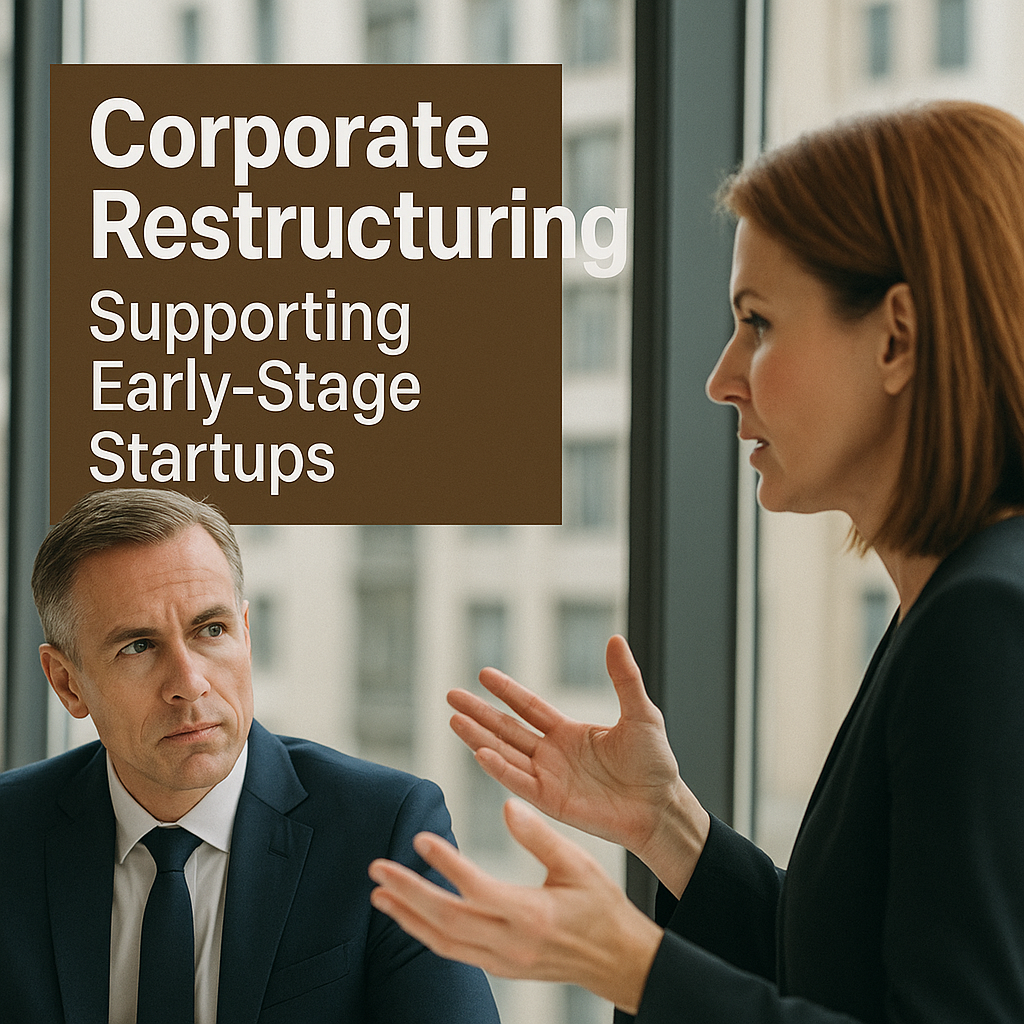
In today’s dynamic business landscape, staying ahead is not just an advantage—it’s essential. Entrepreneurs and small business owners constantly reexamine their strategies to foster sustainable growth and maintain a competitive edge. Whether facing market shifts, technological breakthroughs, or internal challenges, mastering organizational change is crucial. This article presents actionable tactics and real-world strategies in corporate restructuring that empower leaders to remain agile and focused on long-term success.
Understanding the Need for Change
No business, regardless of size, is immune to change. Market dynamics, evolving customer behavior, and emerging technologies all signal that the status quo can no longer suffice. Small companies, in particular, must act quickly to adapt to these shifts. Recognizing the need for change in a timely manner is often the difference between thriving and falling behind.
Corporate restructuring goes beyond budgeting cuts or resource trimming—it is about realigning your organization with the new business reality. This strategic perspective enables leaders to implement essential changes while staying true to their core mission. Leveraging proven methodologies for successful corporate restructuring, companies can adopt a proactive approach instead of merely reacting to changes.
Key Strategies for Organizational Transformation
A robust restructuring plan addresses every aspect of your business—from financial management and operational efficiency to cultural and leadership dynamics. The journey begins with a thorough evaluation of your current operational model. Although the process may seem complex, breaking it down into manageable segments makes it approachable and effective.
Implementing corporate restructuring strategies involves benchmarking current performance against industry standards. This not only identifies areas needing urgent improvement but also highlights existing strengths that can be further developed. Restructuring might include revising the supply chain, modernizing IT infrastructure, or fine-tuning workflow processes to ensure your organization is optimized for both present and future challenges.
Transparent communication is another cornerstone of successful organizational change. When employees understand the reasons behind changes and their impact on day-to-day operations, they become active participants in the transformation. Clear and consistent messaging helps reduce resistance and fosters a smoother transition across the organization.
Integrating Technology and Innovation
Modern technology is a key driver of efficiency during periods of restructuring. By integrating state-of-the-art tools such as cloud-based solutions, data analytics, and remote collaboration platforms, businesses can significantly enhance operational performance and customer service. This approach is particularly beneficial for small business owners looking to update their operations without incurring high costs.
Adopting innovative digital solutions signals to stakeholders that your business is forward-thinking and adaptable. This builds trust among investors and clients while opening doors to new efficiencies. Experimenting with new technologies can also uncover creative ways to streamline traditionally rigid processes, merging operational improvements with cultural evolution.
Navigating organizational change during corporate restructuring demands a balanced approach that honors past achievements while embracing future opportunities. Numerous case studies highlight how innovative companies that integrate technology are better equipped to pivot and adapt when necessary.
Developing Implementation Plans with Measurable Objectives
A clear vision is only effective when paired with a detailed execution plan. Successful corporate restructuring requires setting measurable goals and milestones—from redefining roles and optimizing workflows to reallocating financial resources for new initiatives.
Never underestimate the importance of the human element. Investing in training and development programs equips employees with the skills they need to adapt to a changing company structure. This not only minimizes disruption but also builds a resilient workforce that can confidently face future challenges.
For small businesses, maintaining strong ties with advisory networks is crucial. Expert insights from trusted business advice platforms can offer fresh perspectives and innovative tools that enhance strategic planning. These collaborations ensure that your restructuring efforts remain aligned with your overarching business objectives.
Regular feedback loops and review sessions are vital for monitoring progress. By consistently evaluating the impact of changes and making adjustments as needed, your restructuring process stays agile and responsive to emerging challenges.
Embracing a Culture of Continuous Improvement
Corporate restructuring is not a one-time event, but a continuous journey toward organizational excellence. Creating an environment that values continuous improvement is essential for long-term success. Businesses that stagnate risk becoming outdated; those that encourage innovation are more likely to flourish.
Promote an entrepreneurial mindset at all levels of your organization. Inspire teams to confront current challenges and anticipate future needs with flexible, collaborative strategies rather than traditional hierarchical methods.
Soliciting regular feedback from team members ensures that your restructuring strategy remains relevant. When employees see that their insights are valued, it boosts morale and fosters a collective commitment to achieving long-term business goals.
Through thoughtful corporate restructuring, businesses can evolve into nimble, forward-thinking organizations. This approach attracts top talent, secures investor confidence, and paves the way for sustained growth and innovation.
Ultimately, successful restructuring is built on innovative thinking, meticulous planning, and proactive management. Whether you are fine-tuning operations or embarking on a comprehensive transformation, each strategic step lays the groundwork for future resilience. Embrace change with a clear and comprehensive plan, and your business will be well-prepared for the challenges and opportunities ahead.
For more in-depth insights and actionable strategies on business transformation, visit Make Business. This trusted resource features expert advice and real-world success stories on navigating the complexities of corporate restructuring.
Implementing proven methodologies for corporate restructuring requires a willingness to assess every aspect of your business and make bold, data-driven decisions. Balancing present urgency with future potential—while maintaining a people-first approach—is the hallmark of enduring success.
- Evaluate your current operations to pinpoint opportunities for improvement.
- Apply corporate restructuring strategies to build a resilient, future-ready organization.
- Prioritize transparent communication and employee engagement throughout transitions.
- Set clear, measurable objectives, and use agile methods to monitor progress.