In today’s competitive marketplace, seasonal sales events offer both significant opportunities and formidable challenges. For entrepreneurs and small business owners, these peak periods can be the catalyst for moving from stagnation to robust growth. However, succeeding during seasonal sales requires more than mere price cuts. Using smart, targeted strategies can significantly boost your revenue during these brief, high-impact windows. In this article, we share actionable insights and proven tactics to help your small business thrive during seasonal sales.
Understanding the Seasonal Sales Landscape
Seasonal events create a surge in customer traffic and purchasing activity by aligning with specific consumer interests. Recognizing the unique dynamics of each season is crucial. Whether it’s end-of-year celebrations, back-to-school promotions, or summer clearance events, every period carries distinct consumer expectations and buying motivations.
Successful small businesses know that effective seasonal sales tactics go beyond simple discounts. They involve curating irresistible offers, engaging customers actively, and managing inventory efficiently. By reviewing past seasonal performance and industry trends, you can tailor your approach to meet your audience’s preferences. Forbes reports that businesses with well-planned seasonal strategies enjoy higher customer retention and increased lifetime value.
Crafting Effective Promotional Strategies
Every seasonal event is a chance to refine your promotional strategy. Start by designing time-sensitive offers that are unique and enticing. Instead of offering a generic discount, consider bundling products or providing exclusive services available only during the sale period. This strategy not only drives revenue but also appeals to customers seeking exclusive, limited-time deals.
Exclusive offers can significantly boost customer acquisition. Giveaway contests and social media flash sales create an engaging atmosphere, making customers feel part of a unique event. This approach reinforces brand loyalty and sparks word-of-mouth referrals. Additionally, deploying segmented email marketing with personalized discount codes for returning customers can dramatically improve engagement and conversion rates. For more tips on effective seasonal tactics, check out Crafting Seasonal Promotions.
Smart Tactics for Small Business Growth
Key to boosting revenue during seasonal sales is a deep understanding of your customer base. Data-driven decision-making allows you to determine which promotions resonate best and how to allocate resources effectively. By analyzing sales data from previous seasonal campaigns, you can identify successful strategies and areas for improvement, ensuring your approach meets your market’s demands.
Enhancing the customer experience across multiple channels is another effective tactic. Combining a strong online presence with physical pop-up events can bridge the gap between digital and in-store experiences, offering a seamless journey for your customers. Exclusive online discounts paired with in-store demonstrations make your seasonal sales more immersive and appealing.
In addition, leveraging social proof is essential. Customer testimonials, user-generated content, and case studies build trust and credibility. Collaborating with influencers who resonate with your target audience can extend your reach and turn ordinary campaigns into highly anticipated events. This method significantly boosts revenue during seasonal promotions.
Leveraging Technology and Creative Content
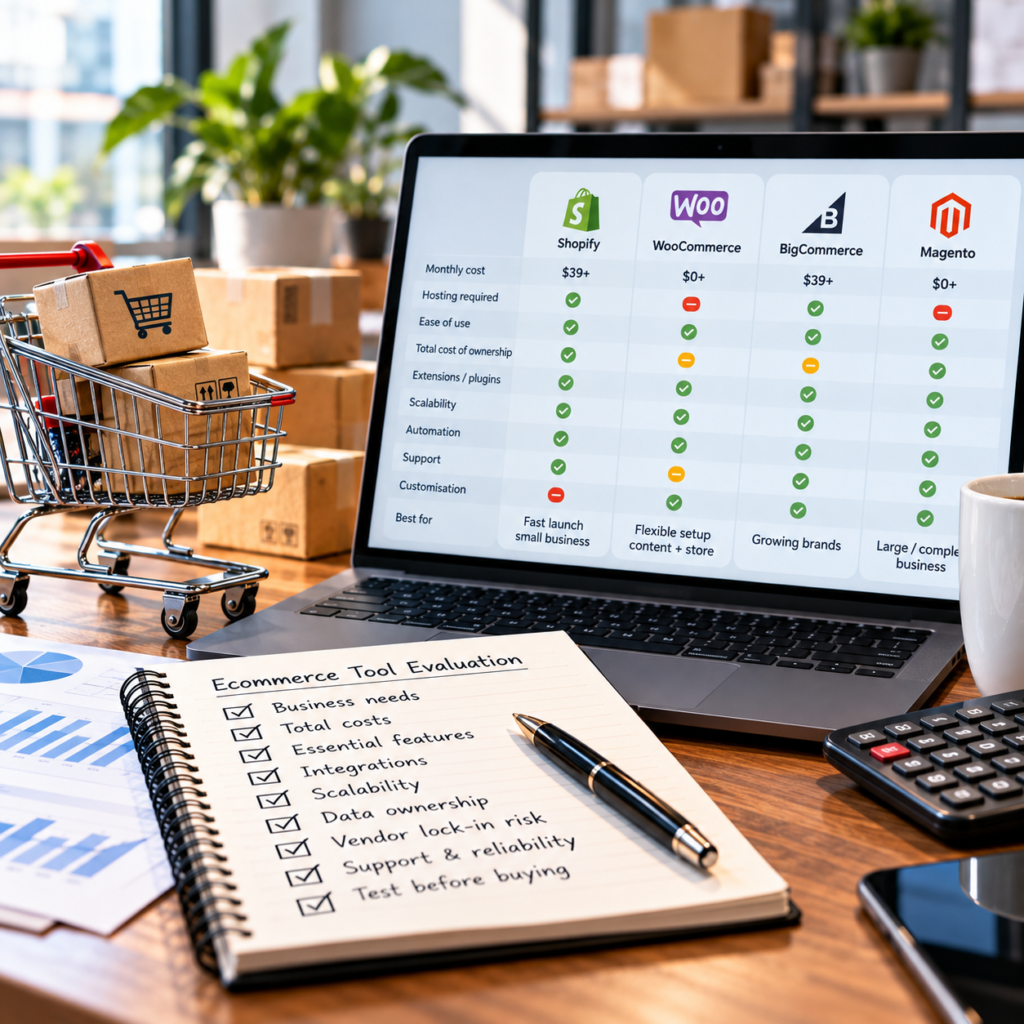
Technology is a powerful enabler in executing effective seasonal sales tactics. Investing in robust e-commerce platforms, automated email systems, and real-time analytics can streamline your marketing efforts. Integrated customer relationship management (CRM) systems keep contacts organized and automate follow-up messages, ensuring customers feel valued long after the sale ends.
The role of creative content during seasonal sales cannot be overstated. High-quality visuals, engaging videos, and compelling narratives create memorable consumer experiences. Consider sharing behind-the-scenes stories on how your business gears up for a busy season; this transparency humanizes your brand and builds excitement among your audience.
Interactive content, such as live Q&A sessions or virtual product demos, keeps your audience engaged throughout the event. Coupled with proactive customer service, these initiatives pave the way for long-term customer retention. Remember, leveraging technology is not just about automation—it’s about creating a dynamic environment that prioritizes customer interaction. Also, explore our insights on integrating technology for growth to further enhance your strategy.
Regularly reviewing and adjusting your seasonal sales strategy based on real-time data and customer feedback is essential. Whether it’s tweaking email subject lines or adjusting product bundles online, flexibility is key to sustained growth.
Thriving during seasonal sales involves continuous experimentation and learning. Test different methods, analyze each event’s outcomes, and evolve your strategy for even better performance in future cycles. Being open to innovation and monitoring performance helps you stay ahead in a competitive market.
Partnering with local businesses or complementary brands can also amplify your growth during peak seasons. Joint promotions and co-hosted events expand your reach, attract new customers, and pool marketing resources for mutual benefit. These partnerships can broaden your customer base and enhance your community reputation.
The ultimate goal is to build a sustainable business model that thrives well beyond seasonal sales. By adopting flexible, technology-driven, and customer-centric strategies, you ensure every seasonal event becomes a stepping stone toward long-term growth.
Aligning internal processes with promotional goals is equally important. Invest in ongoing staff training on customer interaction and digital marketing best practices. Consistent, high-quality service during high-traffic periods leads to repeat business and higher overall customer satisfaction. A well-prepared team delivers faster problem resolution, further enhancing your seasonal sales success.
Finally, continuously monitor competitor activities and industry benchmarks. Staying informed about what other businesses are doing during peak seasons allows you to differentiate your offerings. Continuous market analysis ensures your strategies remain innovative and aligned with evolving consumer trends.
By blending creative sales tactics with in-depth market insights, you can transform seasonal events into engines of growth. With the right approach, even the briefest promotional window can drive significant revenue and expand your market presence.
- Tailor seasonal promotions with curated offers and exclusive events.
- Leverage data analytics and technology to streamline marketing efforts.
- Enhance customer engagement with interactive content and multi-channel strategies.
- Utilize partnerships and continuous market analysis to refine your approach.