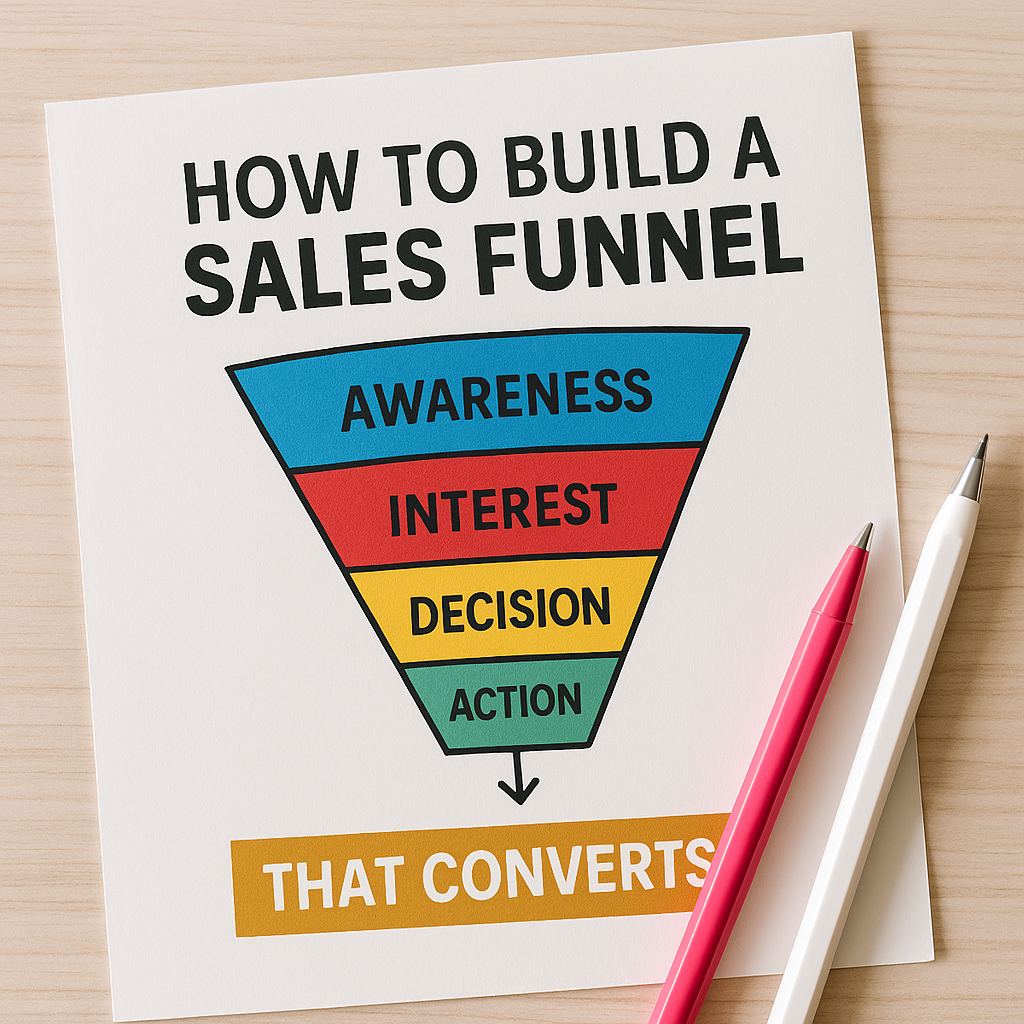
Every entrepreneur and small business owner dreams of transforming casual visitors into loyal customers. The challenge goes beyond attracting attention—it’s about converting that attention into revenue-generating action. With a clear strategy and proven tactics, you can create a sales funnel that truly converts. In this guide, we explore essential approaches, from mapping your customer’s journey to leveraging analytics for continuous improvement.
Understanding Your Customer’s Journey
Before crafting your step-by-step sales funnel conversion strategy, take a moment to understand your customer’s journey from discovery to decision. Today’s consumers have a wealth of information at their fingertips, so your messaging and value propositions must resonate deeply. Identify their pain points, offer a compelling solution, and nurture trust over time.
Create detailed personas and map out each stage your potential customers navigate—from the moment they first hear about your brand, through the phases of interest and evaluation, to the final decision to purchase. Align your marketing efforts with these stages so that every touchpoint guides visitors to the next step. This roadmap forms the foundation of your sales funnel strategy.
Crafting a Clear, Step-by-Step Plan
Once you understand your customer’s journey, break down the process using a detailed sales funnel conversion strategy. Begin by setting specific goals for each funnel stage. Ask yourself: What outcome do I want to achieve? Whether it’s generating leads, building an email list, or driving direct sales, your goals will shape your messaging, offers, and follow-up tactics.
Start with awareness by creating educational content such as blog posts, videos, or social media campaigns that introduce your brand and values. As your audience moves into the interest and evaluation stages, offer gated content like eBooks, whitepapers, or webinars to demonstrate your expertise and capture valuable leads.
In the final, decision stage, focus on making it effortless for prospects to act. Use clear calls-to-action, streamlined checkout processes, and strong social proof to encourage conversions. Every element of your plan should work harmoniously to guide prospects seamlessly from curiosity to conversion.
Defining Clear Objectives at Every Stage
Before integrating new tools or technology, clearly define what success looks like for each stage of your funnel. In the awareness stage, this might mean increasing website traffic by a specific percentage. During the interest phase, your focus could shift to boosting engagement metrics. For the evaluation stage, content such as tutorials or case studies on how to design a high-converting sales funnel can nurture prospects effectively. Clear objectives ensure your strategy functions like a well-oiled machine, facilitating smooth transitions throughout the customer journey.
How to Design a High-Converting Sales Funnel
Designing a high-converting sales funnel is not about following a generic template; it’s about testing and optimizing every element. Begin by selecting the right platforms and tools that integrate seamlessly with your existing systems. Whether you use landing page builders, email marketing software, or CRM systems, ensure that each component communicates effectively to deliver a unified customer experience.
Forbes and other industry experts recommend continuously monitoring visitor behavior. Use analytics to pinpoint drop-off points and adjust your messaging. Regular A/B testing of headlines, images, and call-to-action buttons can reveal insights that drive better engagement.
User experience (UX) design should be at the core of your strategy. Every touchpoint must be intuitive, ensuring landing pages load quickly and deliver a clear message. Integrate testimonials, case studies, and other forms of social proof to build trust and credibility with your audience.
Leveraging Best Practices for an Effective Sales Funnel
Embrace industry best practices to refine your sales funnel. Consider these tactics:
- Personalize the Experience: Customize your outreach to address individual customer needs. Beyond simply using their name, tailor your content based on user behavior and interests.
- Maintain Consistent Branding: Use a cohesive brand voice across all funnel stages to build trust and foster long-term loyalty. Ensure your visuals, tone, and messaging align at every touchpoint.
- Streamline Checkout Processes: Reduce the number of steps to purchase. A simple, secure, and clutter-free checkout minimizes friction and lowers abandonment rates.
- Follow Up with Value: Send targeted emails that offer additional value after a specific customer action. This not only nurtures leads but also reinforces the trust you’ve built over time.
Regularly review analytics such as bounce rates and conversion paths. Investing in advanced tools or professional insights will further optimize your sales funnel strategy.
Integrating and Automating Your Funnel Efforts
In today’s digital landscape, technology and automation are key. As you build your sales funnel conversion strategy, look for opportunities to automate repetitive tasks and maintain consistency. Marketing automation platforms can trigger personalized emails, retarget ads, and more based on customer behavior.
Integrate tracking pixels and analytics tools to continuously refine your funnel’s performance. For small business owners, automation can save valuable time and resources, allowing you to focus on strategic and creative initiatives.
For additional insights, explore trusted business strategy platforms like Make Business. Combining technology with human insight is the secret to sustained innovation and growth.
With this comprehensive guide, you now have the tools to build a sales funnel that not only attracts your target audience but also converts them at every stage. Whether you’re fine-tuning an existing funnel or starting from scratch, continuous improvement is essential. Each action you take deepens your understanding of your customers, guiding them from initial interest to final purchase.
Remember, building a successful sales funnel is an evolving process. As markets shift, consumer behaviors change, and new tools emerge, stay agile by continuously testing new ideas and relying on both data and intuition. By doing so, you’re creating a dynamic system that grows with your business.
In summary, a thoughtful and experimental approach to your sales strategy can transform a stagnant revenue stream into a thriving business model. With persistence, creativity, and the right techniques, your sales funnel will drive conversions and provide valuable insights for future innovations.
- Map out the customer journey from awareness to decision-making.
- Develop a clear, step-by-step sales funnel conversion strategy.
- Optimize every touchpoint to ensure a high-converting sales funnel.
- Integrate automation and analyze metrics to refine your strategy continuously.


