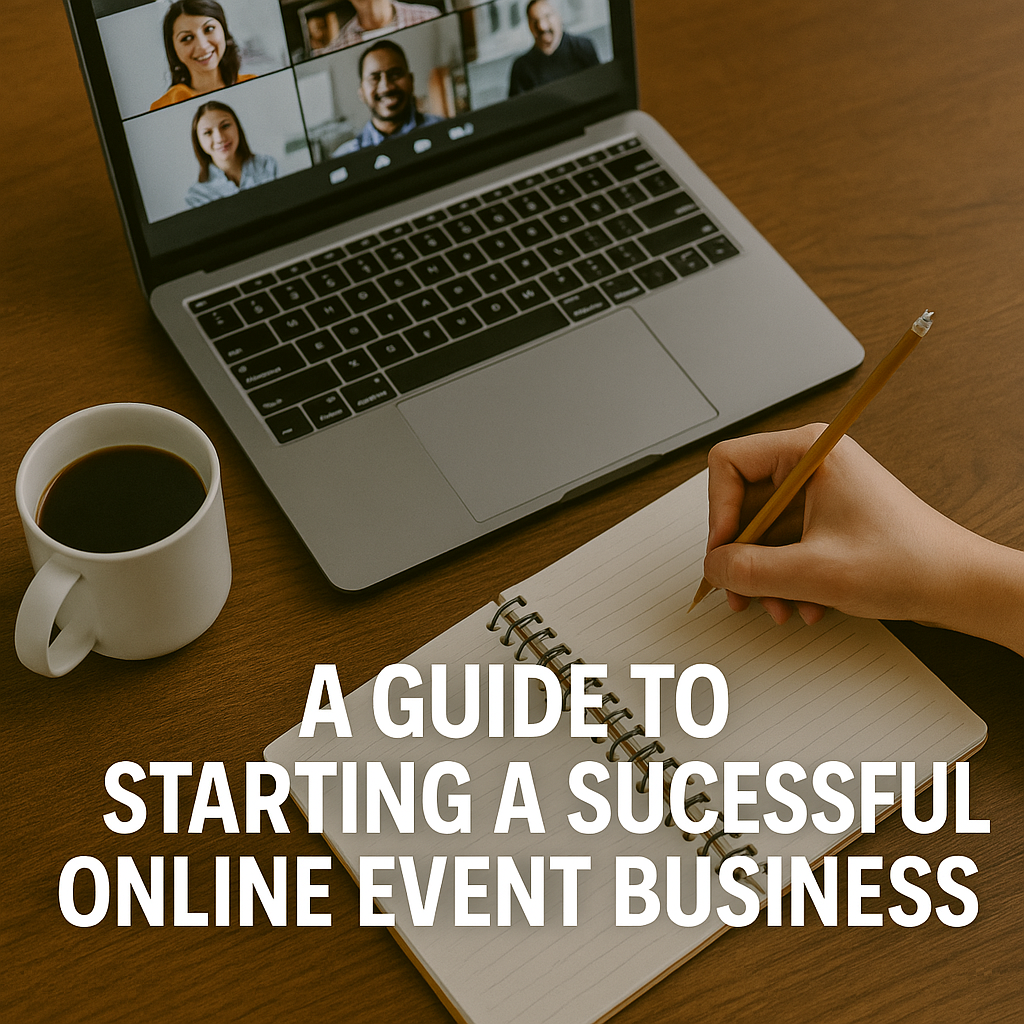
Entering the digital space with your own online event business can be both exhilarating and demanding. Entrepreneurs and small business owners can transform their vision into reality by following a comprehensive strategy—from conducting market research to planning and executing engaging events. This guide provides expert insights and actionable tips to help you build an online event platform that attracts audiences and drives revenue.
Identifying Your Niche and Business Model
Before diving into the technicalities of event logistics, it’s crucial to identify your niche. Focus on the intersection of your passion, expertise, and market demand. Whether you’re enthusiastic about webinars, virtual conferences, or interactive workshops, targeting a specific segment will help you stand out in the crowded digital events landscape.
Conduct thorough market research using online surveys, social media polls, and industry reports to understand potential client needs. Stay flexible and ready to pivot as consumer interests evolve. This adaptability will allow you to explore different formats and respond to emerging trends in virtual events.
Early on, define your revenue model. Determine whether you will charge for event access, offer sponsorship opportunities, or use a subscription-based model. Establishing these details from the start will shape your overall strategy and set the stage for a profitable online event business.
Technology Considerations and Setting Up Your Platform
After pinpointing your niche and revenue model, the next step is choosing the right technology. A robust digital infrastructure is the backbone of any successful online event business. Invest in a reliable virtual event platform that supports live streaming, interactive engagements, and detailed post-event analytics. Whether you opt for an all-in-one solution or a modular, customizable approach, the platform should scale with your growing business.
Enhance the user experience for both hosts and attendees by prioritizing performance, ease-of-use, and reliability. A user-friendly interface minimizes technical issues during important moments and builds trust with your audience. This focus on quality will encourage repeat attendance and boost long-term success. For further insights on digital strategy, explore resources like the Digital Business Solutions website, or read current trends on Forbes.
Step-by-Step Online Event Planning Strategies
Effective event planning is key to the success of your online event business. Follow these step-by-step strategies to ensure smooth execution:
- Conceptualize and Plan: Define clear event objectives, identify your target audience, and create an engaging content agenda. Decide whether to host a series of events or a one-time gathering, and choose a theme that resonates with your audience.
- Secure Speakers and Partners: Leverage your network to recruit industry experts and influencers who can add credibility and attract attendees. Their participation can elevate your event and enrich audience engagement.
- Promote and Market: Use digital marketing channels such as social media, email newsletters, and content marketing to reach your target audience. Build anticipation with a consistent promotional schedule that keeps your audience informed and excited.
- Set Up Interactive Engagements: Enhance interactivity with Q&A sessions, live polls, and virtual networking rooms. These elements not only improve the attendee experience but also provide valuable feedback for future events.
After each event, evaluate key performance indicators such as attendance, conversion rates, and social media engagement. Use this feedback to refine your strategy and continuously improve future events.
Building a Lasting Community and Continuous Engagement
A successful online event business extends far beyond individual events. Focus on nurturing a community of loyal attendees who regularly return to your platform. Foster long-term relationships by offering follow-up webinars, exclusive content, and personalized communications.
Consider creating community forums or hosting regular networking sessions to encourage shared learning and collaboration. Building a vibrant community positions your brand as a thought leader in the virtual events space, driving loyalty and word-of-mouth referrals.
Finally, embrace innovation and listen to audience feedback. Regularly update your technical platform and diversify content formats to stay ahead of competitors. Adapting your strategies to evolving digital trends is the key to sustained success.
In summary, launching an online event business is about creating memorable experiences that resonate with your target audience. With careful planning, a strong technological foundation, and a commitment to continuous engagement, you will be well on your way to establishing a thriving digital venture.
- Identify your niche and establish a clear revenue model from the start.
- Choose a robust virtual event platform that offers an excellent user experience.
- Follow a structured, step-by-step approach to event planning and promotion.
- Focus on building a loyal community and maintain continuous audience engagement.