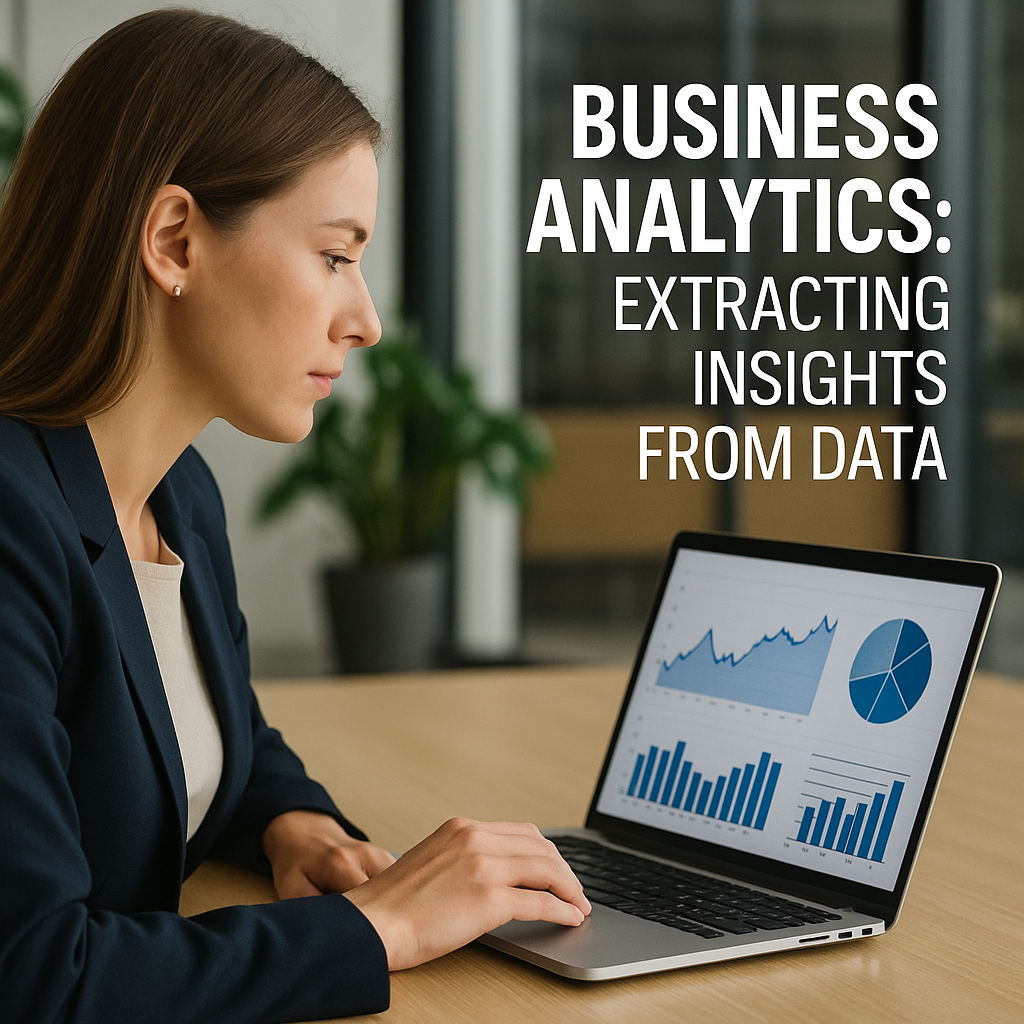
In today’s competitive market, data is not just a by-product of business operations; it is a strategic asset that drives informed decision-making. Entrepreneurs and small business owners are recognizing the immense value of analytics that reveal trends, pinpoint opportunities, and predict future behavior. This approach not only deepens the understanding of customer behavior but also provides actionable strategies for sustainable growth.
The Growing Role of Data in Business Strategy
The combination of affordable data storage and powerful computational tools has revolutionized business operations. Today, even small enterprises can harness advanced business analytics techniques for extracting insights that were once exclusive to multinational corporations. By leveraging a wide range of data—from sales trends and customer interactions to website performance—businesses can translate complex datasets into clear, actionable insights.
A key driver of this transformation is data-driven business analytics insights extraction. This method replaces guesswork with evidence-based decision-making, drawing from customer interactions, online behavior, and operational metrics. When harnessed effectively, data becomes a powerful tool to sharpen your competitive edge and refine your business processes.
Unlocking the Benefits of Leveraging Business Analytics for Data Insights
For small business owners, data is more than just numbers—it tells the story of customer preferences, operational challenges, and emerging market opportunities. Leveraging business analytics for data insights offers numerous advantages:
- Informed Decision-Making: Accurate data cuts through uncertainty, enabling decisions based on real trends rather than assumptions.
- Customer-Centric Strategies: Deep insights into customer behavior support tailored marketing efforts and personalized service, boosting customer loyalty.
- Streamlined Operations: Identifying inefficiencies through analytics can reduce costs and improve processes.
- Competitive Advantage: A thorough understanding of your market helps you spot gaps and emerging trends before your competitors.
To maximize these benefits, it is essential to focus on both the quality of the data and the analytics techniques used. Combining historical sales data, real-time customer feedback, and predictive modeling creates a robust foundation for a comprehensive business strategy.
Integrating Advanced Analytics Techniques into Your Business
Adopting advanced analytical methods may seem challenging for entrepreneurs new to data-driven strategies. However, many modern tools are designed with small businesses in mind. Begin by establishing reliable data collection systems to ensure accuracy and relevance.
Once a dependable data stream is in place, the next step is to uncover the narratives hidden within the numbers. Segmenting customers based on buying behavior or tracking seasonal sales trends can reveal opportunities for targeted marketing or optimized inventory management. Many small businesses start with simple tools and gradually upgrade to more sophisticated systems as they grow.
Numerous user-friendly applications and platforms simplify the process of data-driven business analytics insights extraction. Equipped with intuitive dashboards and visualization features, these tools turn complex datasets into easy-to-understand graphs and actionable recommendations. Such insights empower business owners to fine-tune operations, marketing strategies, and overall business plans.
Choosing the Right Tools and Building a Data-Driven Culture
Effective business analytics go beyond merely installing the latest software—it requires cultivating a culture that values data-driven decision-making. For many startups and small businesses, this begins with investing in the right tools, whether it’s subscribing to a comprehensive analytics platform or partnering with a consultant to build a robust data infrastructure.
Reputable sources like Forbes showcase success stories of businesses that have transformed raw data into strategic assets. These case studies illustrate how data insights can revolutionize product development, improve customer service, and enhance marketing efforts.
Additionally, experienced online advisors offer valuable business guidance. For example, if you are seeking detailed strategy advice, you might find useful information on this dedicated resource. Expert opinions and comprehensive analysis can help you create a strategic roadmap that aligns data insights with your long-term business goals.
The journey to becoming a data-driven organization is one of continuous learning and adaptation. As markets evolve and technology advances, it is vital to regularly review data collection methods, update analytical tools, and train your team on new techniques to maintain a competitive edge.
Real-World Applications: Turning Insights into Action
While theoretical data insights are valuable, the true impact is realized when these insights are translated into practical actions. Whether revising product offerings based on customer feedback or identifying a new market segment, data serves as a roadmap for business growth.
Consider a small retail business experiencing fluctuating sales. By analyzing monthly footfall data and linking it with promotional activities, the owner can pinpoint which strategies drive engagement. This knowledge enables more effective budget allocation, precise inventory planning, and the launch of customer loyalty programs tailored to market demands.
In the digital realm, website analytics can uncover visitor behavior trends. For instance, a surge in traffic after a specific blog post or social media campaign may indicate that your content resonates with your audience. Doubling down on successful content can further enhance engagement and returns.
Moreover, advanced business analytics techniques can help businesses proactively manage risks. Monitoring customer complaints or service delays allows small businesses to quickly address internal issues before they escalate, ensuring continuity and quality service.
This proactive approach is especially critical in fast-paced markets. For entrepreneurs, the ability to pivot based on real-time data keeps the business agile and fosters a culture of continuous improvement. Every piece of data holds the potential to drive change, ensuring that each decision is measured and well-informed.
Ultimately, shifting to a data-centric perspective offers benefits that extend well beyond immediate gains. An evidence-based approach to business planning not only improves efficiency but also positions your company as innovative and adaptable in an ever-changing market landscape.
Implementing a successful data strategy is an ongoing journey. With a focus on reliable data collection and careful analysis, entrepreneurs can confidently take calculated risks that promote both short-term performance and long-term stability.
For many business owners, the transition to comprehensive analytics starts with thoughtful analysis and step-by-step implementation. By concentrating on accurate data collection and detailed evaluation, even the smallest ventures can pave the way towards a more predictable and profitable future.
- Data is a strategic asset that informs key business decisions and drives growth.
- Advanced analytics techniques empower business owners to extract actionable insights from diverse data sources.
- Investing in the right tools and nurturing a data-driven culture is essential for leveraging business analytics for data insights.
- Real-world applications highlight that data-driven strategies boost efficiency and enable proactive risk management.