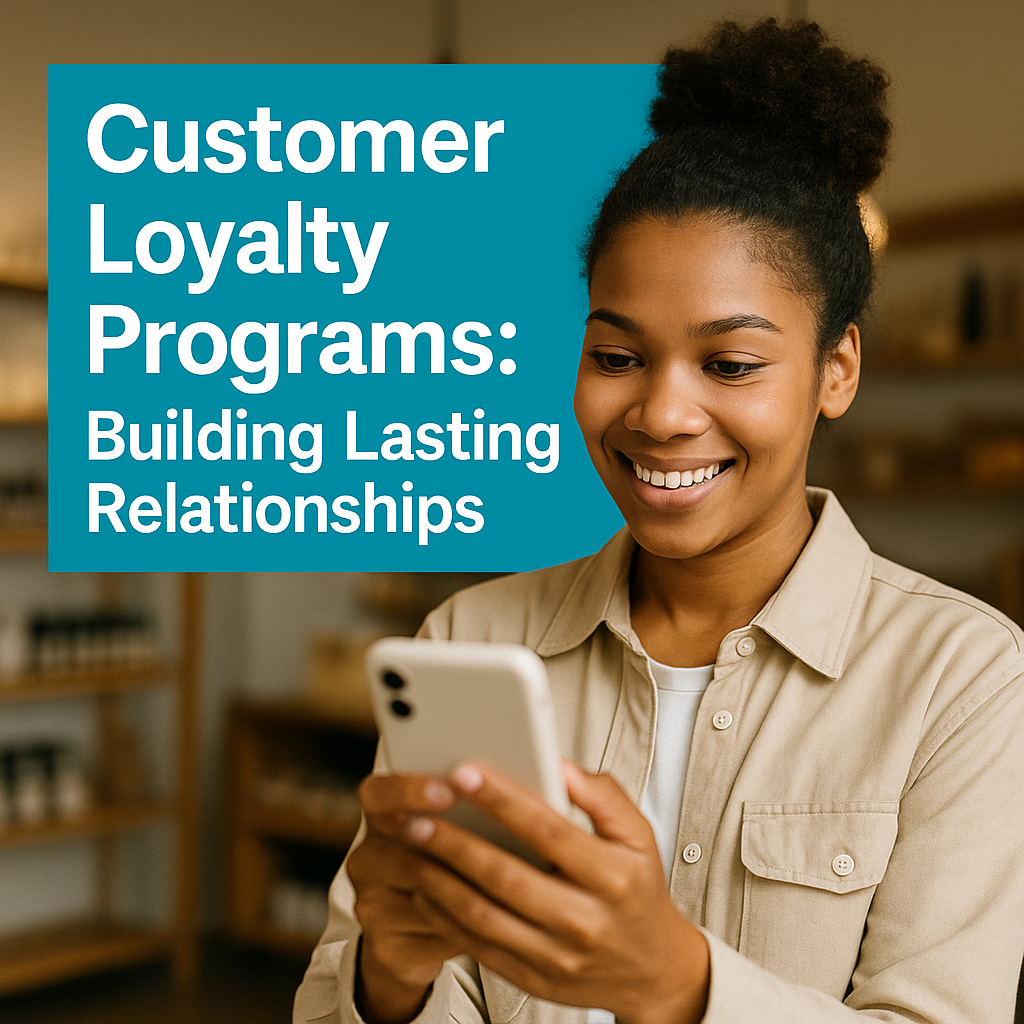
In today’s competitive market, entrepreneurs and small business owners are constantly seeking innovative strategies to encourage repeat business. One highly effective approach is designing and implementing well-crafted customer loyalty programs. These programs do more than simply reward buyers—they lay the foundation for enduring customer relationships by offering personalized, engaging, and mutually beneficial experiences.
Understanding the Value of Customer Loyalty Programs
Customer loyalty programs are no longer optional extras—they are essential for ensuring long-term business success. Instead of treating these initiatives as generic discount strategies, smart businesses use them to forge meaningful connections with their audience. By leveraging long-term loyalty programs, brands can demonstrate an authentic understanding and appreciation of their customers. For additional insights on best practices, check out our Loyalty Program Design Tips.
When customers feel recognized and rewarded, they are more likely to return, boosting direct revenue and sparking valuable word-of-mouth promotion. Both large retailers and niche brands have discovered that well-designed loyalty programs can transform occasional shoppers into devoted advocates. According to Forbes insights, implementing effective customer retention strategies through loyalty programs can significantly improve customer satisfaction and drive sustainable growth.
Designing a Program Tailored to Your Business
The success of any loyalty program lies in its ability to resonate with your audience. Understanding your customers’ habits and preferences is crucial during the planning phase. Consider the following elements to create a program that stands out:
Identify What Matters Most to Your Customers
Before rolling out any rewards, it’s important to understand your customers’ core values. Some may appreciate exclusive discounts, while others might be more interested in special events or early product access. Leverage surveys and purchasing behavior analysis to gather these insights. This information will form the basis for customer loyalty programs that are truly tailored to your clientele.
Integrate Technology and Personalization
Today’s technology offers powerful tools to personalize rewards and track customer engagement. Utilize SMS, email campaigns, and mobile apps to maintain seamless communication. With data-driven customer retention strategies, automated systems can analyze purchase patterns and serve up targeted incentives. For instance, a customer who frequently buys a specific product might receive a personalized offer to encourage even more visits. This high level of personalization not only boosts sales but also helps customers feel valued. To further explore personalized engagement tactics, read our article on Effective Customer Engagement Strategies.
Align Your Loyalty Program with Your Business Strategy
Successful businesses integrate their loyalty programs into their overall strategy. If your brand is known for exceptional customer service, ensure your loyalty rewards mirror that standard. Instead of relying solely on points or discounts, consider offering exclusive services or VIP treatment for long-term members. This integrated approach strengthens your brand image and deepens customer commitment.
Strategic Implementation: A Step-by-Step Approach
Once you understand your customers and define your value proposition, it’s time to launch your loyalty program. While there is no one-size-fits-all blueprint, consider these strategies during rollout:
1. Start Small and Expand Gradually
Launching a pilot program is highly beneficial. Invite a select group of customers to participate and gather detailed feedback on their experiences. This approach allows you to fine-tune your strategy before introducing it to your entire customer base, ensuring a smoother and more effective rollout.
2. Use Data to Drive Decisions
Digital analytics provide invaluable insights into customer interaction with your loyalty program. Monitor visit frequency and reward preferences to identify trends and adjust your approach accordingly. Entrepreneurs can also benefit from using growth strategies available on platforms like business development resources, which offer practical advice on refining customer retention strategies with effective loyalty programs.
3. Communicate Clearly and Consistently
Clear communication is vital to ensure customers understand the benefits and mechanics of your loyalty program. Use email newsletters, social media, and in-store signage to explain the program’s value. Maintain transparency about how the program works, the rewards customers can expect, and any upcoming changes, encouraging continuous feedback.
Overcoming Common Challenges
Every new initiative comes with challenges, and loyalty programs are no exception. Understanding potential hurdles can help you address them proactively:
Keep It Fresh and Relevant
The appeal of any loyalty program can diminish if rewards become predictable. Constant innovation is key to sustaining interest. Incorporate seasonal promotions, limited-time offers, or exclusive events to keep your program dynamic and engaging. Regular updates reflect your brand’s forward-thinking approach and adaptability to market trends.
Balance Cost and ROI
Budget constraints are a reality for many small businesses. Instead of offering overly generous rewards that strain resources, start with cost-effective incentives that still hold value for customers. As your customer base grows and revenue increases, reinvest in enhancing your loyalty program. This measured approach balances expenses with return on investment.
Ensure Accessibility and Ease of Use
A complicated loyalty program can deter customer participation regardless of the rewards offered. Simplify your program to ensure it is user-friendly across both digital and physical platforms. A well-designed, accessible system ensures that every customer, regardless of their technical ability, can easily participate and reap the benefits.
Remember the principle of reciprocity: when customers see their loyalty rewarded through meaningful benefits, they are more likely to continue supporting your business. This mutual exchange is the cornerstone of effective, long-term customer loyalty programs.
The Broader Business Impact
Loyalty programs do more than boost purchase frequency—they enhance the overall brand experience and cultivate a community around your business. By shifting the focus from transactions to relationships, you build trust and a strong emotional connection with your customers.
Implementing effective customer retention strategies through loyalty programs not only secures repeat business but also generates a reliable revenue stream that can be reinvested in your business. The resulting cycle of innovation and customer satisfaction leads to improved brand recognition, enhanced customer service, and even higher employee morale as your business grows.
Industry experts, including those featured in Entrepreneur, have shown that even small tweaks in loyalty programs can markedly improve customer retention and profitability. A well-executed loyalty program acts as a catalyst for comprehensive business growth, aligning with your long-term vision.
Your loyalty program should reflect your business values and future ambitions. As you refine your strategy, keep the focus on building lasting relationships that foster trust and loyalty. This approach not only ensures a sustainable competitive edge but also prepares your business to thrive in any market condition.
For entrepreneurs and small business owners who want to blend traditional values with modern innovation, embracing loyalty programs is a strategic move. The digital age offers countless opportunities to personalize these initiatives and adapt them to the evolving needs of your customers, making every interaction a step toward stronger, lasting relationships.
Ultimately, the success of a loyalty program hinges on authenticity and consistency. Always acknowledge your customers’ loyalty and remain committed to continuous innovation. With the right strategy, every challenge becomes an opportunity to learn, grow, and drive your business toward a prosperous future.
- Create personalized customer loyalty programs to meet specific needs.
- Utilize technology and data analytics to inform strategic decisions.
- Communicate transparently and consistently about program benefits.
- Drive lasting engagement through continuous innovation and value enhancement.