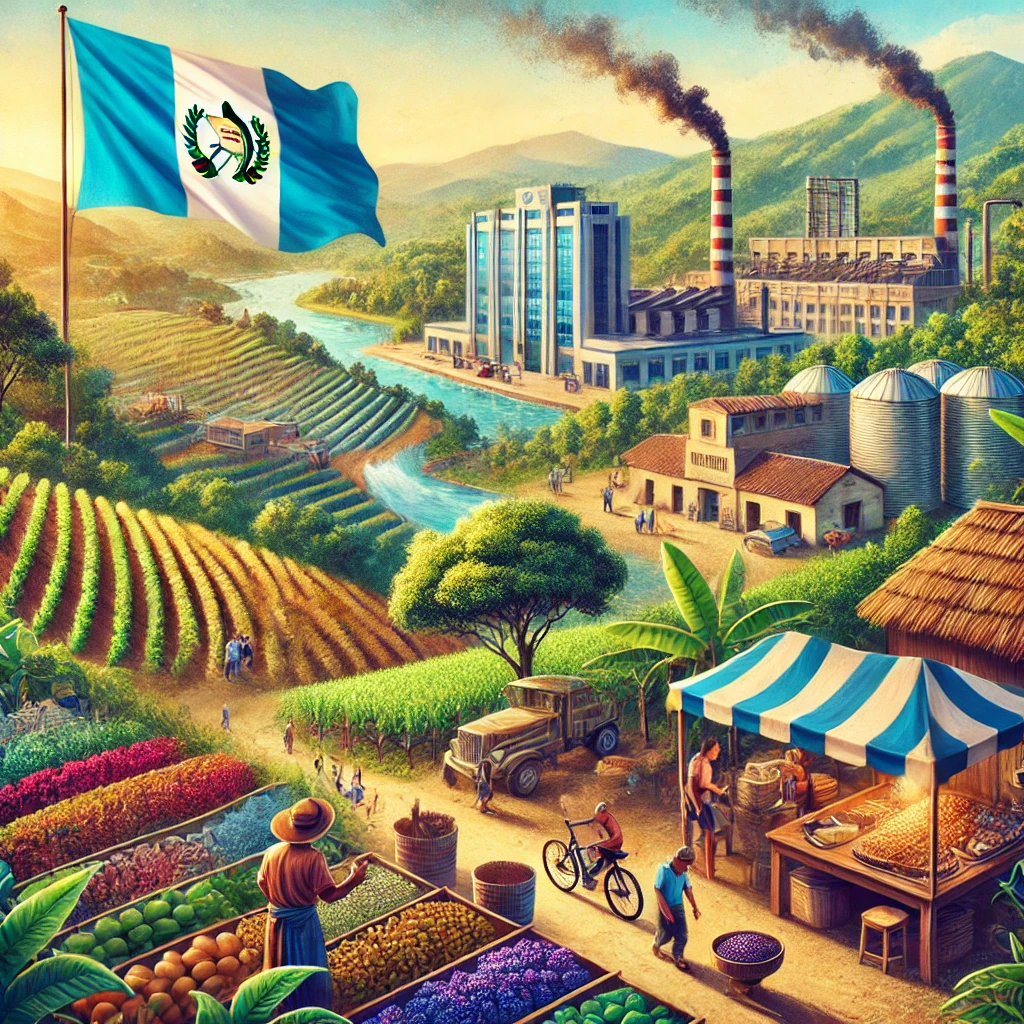
In recent years, entrepreneurs and small business owners have increasingly looked beyond traditional markets for fresh opportunities. Guatemala, a nation rich in culture, history, and natural resources, offers tremendous potential in the agriculture and manufacturing sectors. Its strategic location in Central America, paired with a commitment to economic reform, creates an ideal environment for businesses to thrive.
Amid shifting global trade dynamics and rising demand for high-quality, sustainable products, investors are turning to Guatemala’s vibrant agriculture and manufacturing industries. The country’s diverse climate and skilled workforce support innovative production techniques that cater to both domestic and international markets.
Unlocking Agricultural Potential
Agriculture has always been a cornerstone of Guatemala’s economy. With fertile lands spanning coastal plains to high-altitude regions, local farmers cultivate a wide range of crops. While coffee, sugar, and tropical fruits have historically dominated exports, new opportunities now exist in niche crops, organic farming, and sustainable practices that drive higher yields and build global brand credibility.
As consumers worldwide prioritize ethically and environmentally produced products, sustainable agriculture is becoming a game changer. Government initiatives focus on modernizing agricultural practices through education and technology investments, offering ample opportunity to blend innovative methods with traditional techniques. Technologies such as smart irrigation, advanced seed genetics, and organic farming practices are paving the way for companies looking to capitalize on Guatemala’s potential.
Additionally, local cooperatives and development programs equip small producers with the resources to compete on an international scale. Partnering with these networks allows investors to leverage local expertise and promote fair trade practices. Small-scale cooperatives often collaborate with international agencies, sharing knowledge and resources that boost production quality and efficiency.
Diversifying Through Manufacturing
Complementing its agricultural strengths, Guatemala’s manufacturing sector is rapidly expanding. Recent governmental reforms and public-private partnerships have spurred investment in manufacturing, establishing the country as a cost-effective hub for industries such as textiles, food processing, and technology.
Entrepreneurs looking to expand their portfolios will find significant advantages in entering Guatemala’s manufacturing industry. Lower production costs combined with improving infrastructure enable companies to maintain competitive pricing without sacrificing quality. The nation’s dedicated and skilled workforce fosters an environment where innovation blends with traditional craftsmanship.
A particular growth area is the production of value-added goods. Manufacturers are now converting raw agricultural products into high-quality finished products, including flavored coffees, gourmet chocolates, and organic fruit juices. This strategy not only boosts profit margins but also opens access to global markets where consumers increasingly demand artisanal, premium products.
Generous government incentives aimed at encouraging exports have further opened opportunities for manufacturers. Such incentives allow businesses to scale operations beyond local markets and increase revenue potential. Strategic alliances with international partners, as highlighted in Forbes, have proven to be a successful model for growth.
Navigating the Business Environment
While the benefits are clear, entering a new market also presents challenges. Entrepreneurs considering expansion into Guatemala should be aware of local regulations, cultural nuances, and logistical considerations. Success in the local marketplace depends on understanding both the broader economic landscape and the specific characteristics of the region.
Fortunately, Guatemala has streamlined processes to welcome foreign investment. Recent legislative changes have simplified business registration, and numerous local agencies provide support to new entrants. Resources like those available on Make Business offer market intelligence, regulatory guidance, and success stories to help navigate these challenges.
Networking is vital in Guatemala’s business community. Participation in local events, trade fairs, and community initiatives builds credibility and offers direct access to partners and customers. Regional showcases often highlight unique strengths, from traditional artisanal products to state-of-the-art manufacturing processes.
Moreover, local financial institutions are offering targeted loans and incentives designed for small business owners and startups. Combined with government support programs, this financial assistance creates an ecosystem where innovative ideas can flourish without being hindered by limited capital.
Ultimately, thriving in Guatemala’s agriculture and manufacturing sectors requires strategic planning, innovation, and deep respect for the local context. Developing a solid business plan can serve as a roadmap to overcome challenges and drive sustainable growth. By staying ahead of market trends and prioritizing sustainability, entrepreneurs and small business owners can unlock a wealth of opportunities that extend far beyond the initial investment.
- Diverse agricultural opportunities in niche products and sustainable practices
- Expanding manufacturing potential with cost-effective production and value-added goods
- Simplified local regulations and dedicated professional support
- A strong focus on innovation, sustainability, and community engagement