In today’s digital landscape, entrepreneurs and small business owners need to turn website visitors into loyal customers. Optimizing your website for sales conversion means more than just attracting traffic—it’s about guiding visitors through a seamless journey that leads to increased revenue. By combining user-friendly design, persuasive content, and data-driven strategies, you can transform your site into a high-performing sales engine. This article explores effective techniques and insights to help you achieve just that.
Assess Your Current Conversion Funnel
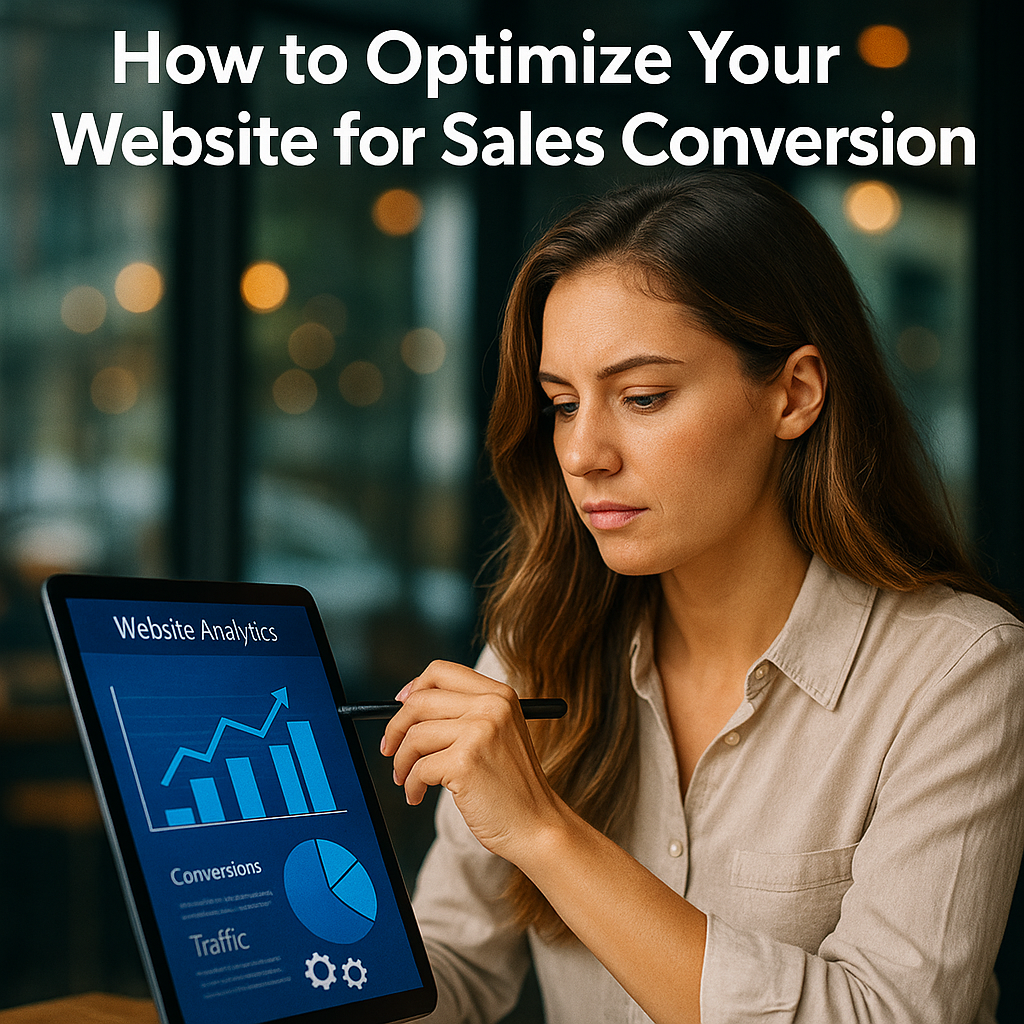
Before implementing improvements, start by understanding your existing conversion funnel. Analyze every step your visitors take—from landing on your homepage to making a final purchase. Key metrics such as bounce rates, time on page, click-through rates, and exit pages reveal where customers lose interest or encounter obstacles.
Utilize analytics tools like Google Analytics or other conversion tracking software to gain clear insights into user behavior on your site. These tools highlight the pages and elements that work well—as well as those that need refinement. Often, small adjustments like repositioning a call-to-action button or streamlining the checkout process can significantly boost your conversion rate.
If you are new to conversion optimization, consider exploring trusted resources like Forbes’ digital marketing insights for additional strategies and perspectives.
Refine Your Website’s User Experience
A smooth and intuitive user experience is essential for driving sales conversions. Your website should not only captivate visitors visually but also guide them effortlessly toward taking the desired action. When optimizing your website for sales conversion, focus on the following key elements:
Responsive Design and Fast Loading Times
The speed and responsiveness of your site are critical. Even a one-second delay can cause potential customers to leave. Invest in a responsive design that adapts to various devices and ensure your pages load quickly. A fast website not only improves user experience but also enhances your search engine rankings, driving more organic traffic. For more insights on mobile optimization, check out Mobile Commerce How to Optimize Your Store for Mobile Users.
Tools like Google’s PageSpeed Insights can help you identify and address performance issues, ensuring a smooth and frustration-free journey for your visitors.
Clear Navigation and Structured Layouts
An intuitive navigation structure is vital. Visitors should easily find essential information without guesswork. Clear menus and well-organized layouts encourage deeper engagement, helping users progress through your conversion funnel seamlessly.
Incorporate visual cues such as prominent call-to-action buttons and customer testimonials. Consistent design elements like easy-to-read fonts and high-quality images contribute to an inviting atmosphere that motivates visitors to explore further.
Craft Compelling Calls-to-Action and Content
The effectiveness of your conversion strategy heavily relies on clear, persuasive content. Every element on your website should drive users closer to making a purchase, from engaging headlines to strategically placed calls-to-action (CTAs). Consider these tactics to enhance your conversion efforts:
Focus on Value-Driven Messaging
Your content should address your visitors’ needs by highlighting the benefits of your products or services. Instead of just listing features, emphasize the value each feature brings—whether it’s saving time, reducing effort, or boosting revenue. Value-driven messaging resonates with potential customers and encourages them to take action.
Enhance your message with social proof. Customer testimonials, case studies, and user reviews build credibility and trust, making visitors more likely to convert.
Design Persuasive and Visible CTAs
A powerful call-to-action goes beyond a simple button—it invites users to take the next step towards a solution. To optimize your website for sales conversion, design CTAs that are visually distinct and clearly communicate benefits. Use action-oriented language and position CTAs where they align with the user’s journey.
For example, instead of a generic “Submit” button, opt for “Claim Your Free Consultation.” Such targeted messaging not only captures attention but also meets customer expectations. Placing CTAs near compelling content like case studies or testimonials further enhances their impact.
Measure, Test, and Iterate
Conversion optimization is an ongoing process of measurement, testing, and refinement. Continuously track performance metrics, experiment with A/B testing, and adjust strategies based on data insights. Even minor changes can lead to substantial improvements in conversion rates.
Set clear objectives and use tools like heatmaps and session recordings to observe user interactions. These insights help pinpoint friction points—for instance, if users abandon the checkout process, it may be time to simplify payment options or reduce form fields. Making data-driven decisions minimizes guesswork and enhances overall user experience. Additionally, discover more about performance insights with Google Search Console: How to Optimize Your Site Performance.
Stay informed on the latest digital marketing trends by reviewing resources such as professional business strategies on makebusiness.eu. Benchmarking your tactics against industry standards ensures your website remains competitive and effective.
The ultimate goal is to create a cohesive end-to-end experience that builds trust and encourages sales. By blending thoughtful design, persuasive content, and continuous optimization, every aspect of your website can work together to transform visitors into customers.
For entrepreneurs and small business owners, implementing these strategies can revolutionize your online presence. Whether launching a new product or enhancing existing sales channels, focusing on user experience and targeted messaging provides a strong foundation for sustainable business growth. Tailor these practices to match your unique business model and audience for maximum impact.
Continuous monitoring, customer feedback, and agile strategies will make conversion optimization an integral part of your business process—not a one-time fix. Each element of your online presence contributes to the overall customer journey, and a coordinated approach can be the key to converting casual browsers into committed buyers.
- Evaluate your website’s conversion funnel using detailed analytics.
- Enhance user experience with responsive design and clear navigation.
- Create value-driven content and persuasive calls-to-action.
- Regularly measure, test, and refine your strategies for optimal results.