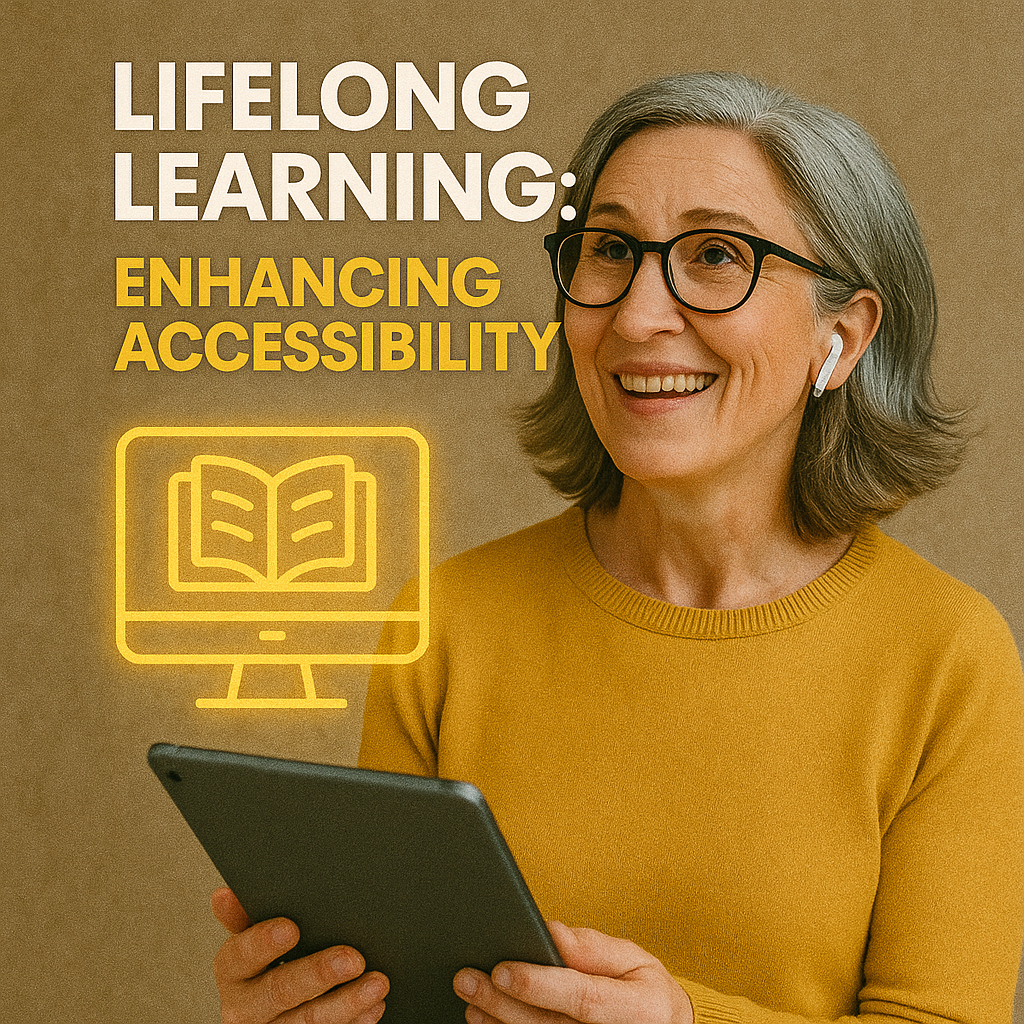
Embracing the Digital Revolution in Education
Education is no longer confined to traditional classrooms or scheduled training sessions. Today’s digital education tools make learning accessible anytime, anywhere. Entrepreneurs leverage online courses, interactive webinars, and virtual conferences to stay ahead in a competitive market. This new era of digital learning empowers professionals to update their skills with ease and efficiency.
Cloud-based learning management systems and mobile applications are opening a world of opportunities, offering customized learning plans that address specific individual and business needs. This level of personalization, combined with real-time feedback, creates an engaging and effective learning experience that is transforming professional development.
With digital content now available to even the smallest business, high-quality educational resources are no longer exclusive to large corporations. The reduced barrier to professional development ensures that small businesses can maintain a competitive edge while fostering a culture of growth and innovation.
Leveraging Digital Education Tools for Continuous Learning
Entrepreneurs and small business owners have access to a wide array of digital tools designed to support continuous learning and development. Online course platforms, video tutorials, and interactive learning environments offer cost-effective and flexible solutions that cater to busy schedules.
Adaptive learning systems are a prime example of how technology is transforming lifelong learning. These systems monitor progress, identify areas for improvement, and adjust content accordingly, creating a personalized and efficient learning process that directly impacts business performance.
Many companies successfully integrate digital education tools to foster collaboration and innovation among team members. Online communities and peer-to-peer learning networks enable professionals to share insights and expertise, democratizing information while cultivating a supportive professional network that drives business growth.
Interactive platforms also offer metrics and feedback that help learners apply new knowledge in real-world business scenarios. Regular assessments and certification programs build credibility and reinforce the value of continuous education.
Crafting Future-Ready Business Strategies with Lifelong Learning
Technology’s impact on lifelong learning is reshaping business growth strategies. As market dynamics shift, the ability to pivot and innovate hinges on how well business leaders embrace emerging technologies. Lifelong learning is key to developing agile, future-ready strategies that are both resilient and forward-thinking.
Modern entrepreneurs no longer rely solely on traditional tactics. Today’s data-driven insights, predictive analytics, and digital learning platforms empower business owners to transform information into actionable strategies for success. This integration transforms education into a tool for smarter decision-making.
Integrating continuous learning into a business strategy helps create a workplace culture that values curiosity and resilience. A learning-centric environment encourages experimental thinking, collaborative problem-solving, and higher employee engagement and productivity.
Consider the digital resources available on sites like business insights and Digital Tools for Business Growth
. These platforms provide guidance on navigating modern business challenges while offering innovative learning methods that drive practical benefits.
Navigating the New Age of Education in Business
The evolution of technology continues to redefine education. With mobile apps and social media transforming how we learn, the lines between formal and informal education blur. Podcasts, online communities, and social media groups now offer valuable insights comparable to traditional education.
Digital education tools empower entrepreneurs to customize their learning journeys. Self-paced modules, on-demand webinars, and interactive online forums not only connect learners with industry leaders globally but also democratize access to specialized training once reserved for large institutions.
Technology’s influence on lifelong learning goes beyond skill acquisition—it transforms mindsets. Integrating gamification, virtual reality, and immersive simulations into training programs boosts engagement and makes learning both effective and enjoyable, ensuring higher retention and continuous motivation.
Leading business publications, such as Forbes, highlight how forward-thinking companies use these innovations to foster environments that promote both learning and overall well-being. This trend is positioning lifelong learning as a cornerstone of business success and employee satisfaction.
Entrepreneurs face the dual challenge of staying current with technological trends and equipping their teams with future-ready skills. By incorporating digital education tools into their strategies, business leaders create a culture that values continuous growth and agility.
The rise of virtual mentorship programs and online coaching sessions further expands learning opportunities beyond geographic boundaries. These initiatives not only broaden the learning horizon for entrepreneurs but also encourage global collaborations and innovative partnerships.
Modern continuous learning initiatives now emphasize soft skills such as leadership, creativity, and critical thinking. These competencies are essential for navigating complex business environments and achieving sustainable growth. Embracing continuous improvement transforms challenges into opportunities for innovation.
As digital education evolves, the future of lifelong learning in business will become even more intertwined with daily operations. Business leaders who utilize these digital opportunities will be better equipped to thrive in an increasingly competitive landscape.
In today’s interconnected world, the fusion of technology and education is reshaping professional lives. From remote learning and online mentorship to innovative training simulations, the evolution of digital education tools is a game changer for the business community.
Ultimately, effective lifelong learning strategies can unlock a business’s true potential, leading to smarter decision-making and an environment primed for creativity and success. Entrepreneurs who invest in continuous education are not just enhancing their skills—they are investing in the future growth and competitive advantage of their organizations.
As we enter this new age of boundless knowledge and innovative learning opportunities, staying ahead means embracing technological advancements and continually enhancing your skills. The journey of lifelong learning is an ongoing adventure that delivers fresh insights and opens doors to new opportunities.
- Technology is reshaping lifelong learning by making quality education accessible anytime, anywhere.
- Digital education tools offer personalized and flexible continuous learning experiences.
- Innovative business strategies now integrate continuous learning as a key growth driver.
- Modern digital tools support both technical and soft skills development for sustainable success.