
Latest News

How to Evaluate a Hyperlocal Store Built as Both a Shop and a Community Hub
A hyperlocal store asks physical retail to perform two jobs: sell products and become useful to a particular neighborhood. Nike and Foot Locker’s Crenshaw concept in Los Angeles provides a timely reference point for this model. As reported by Retail Dive, the companies developed the location around localized retail and community-oriented experiences rather than treating […]
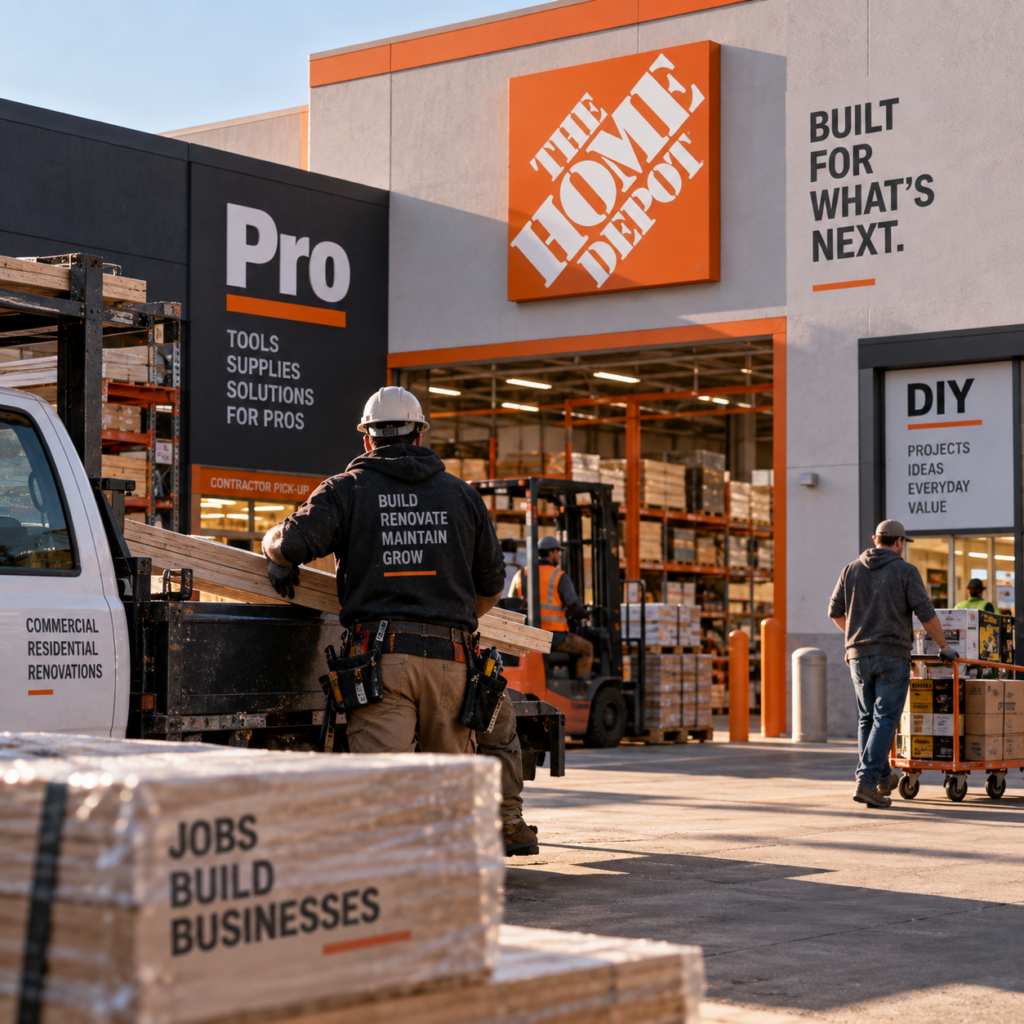
Why Home Depot’s professional customers offer a stronger growth path than DIY demand
Home Depot’s identification of professional customers as its clearest growth opportunity points to a strategic distinction that matters far beyond home improvement. A trade customer may buy products from the same shelves as a consumer, but the job behind the purchase is different. A homeowner can often postpone a project, accept a substitute, or make […]
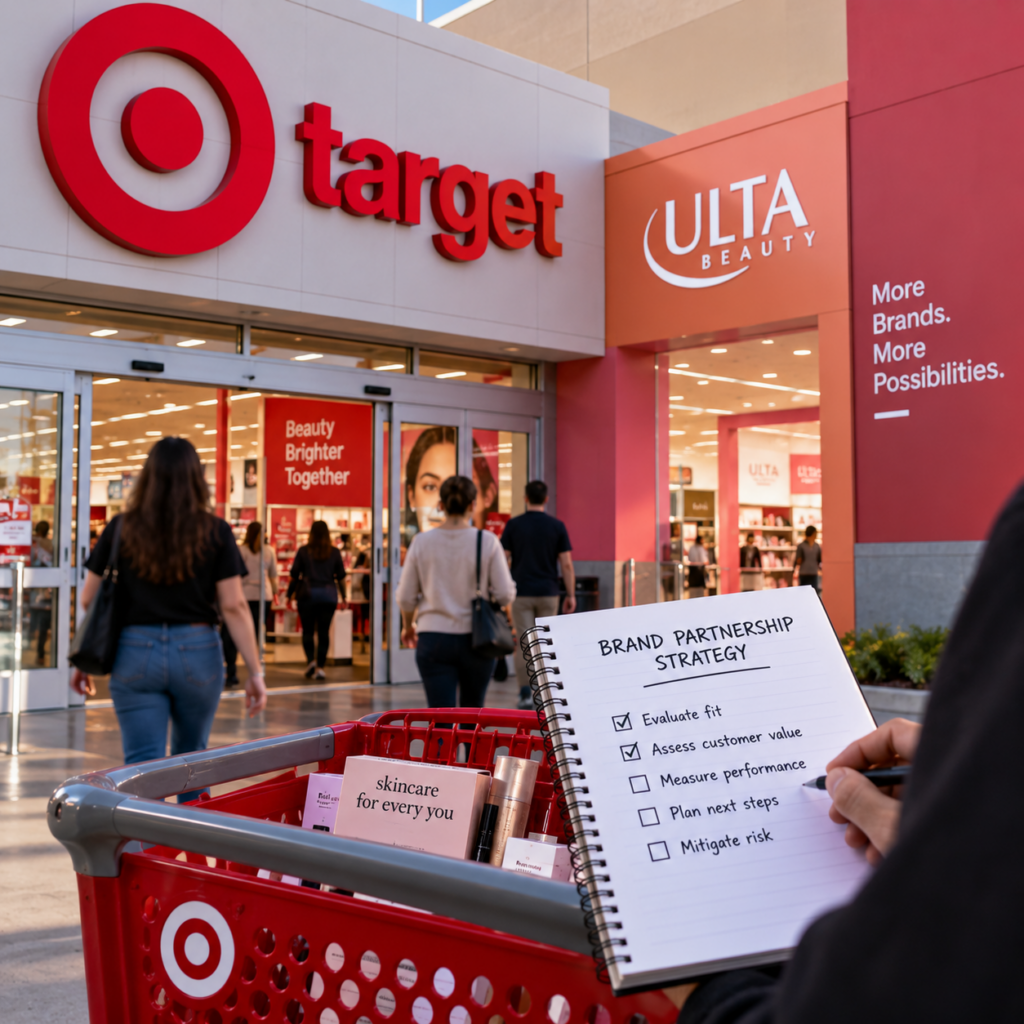
What Target’s Post-Ulta Beauty Strategy Means for Retailers Managing Brand Partnerships
Target’s transition from Ulta Beauty shop-in-shops to its own Target Beauty Studio concept presents a consequential question for retailers: when should a partner-led category experience become an owned one? Retail Dive reports that Target and Ulta Beauty are ending their shop-in-shop partnership, with the agreement set to conclude in August 2026. Target plans to replace […]
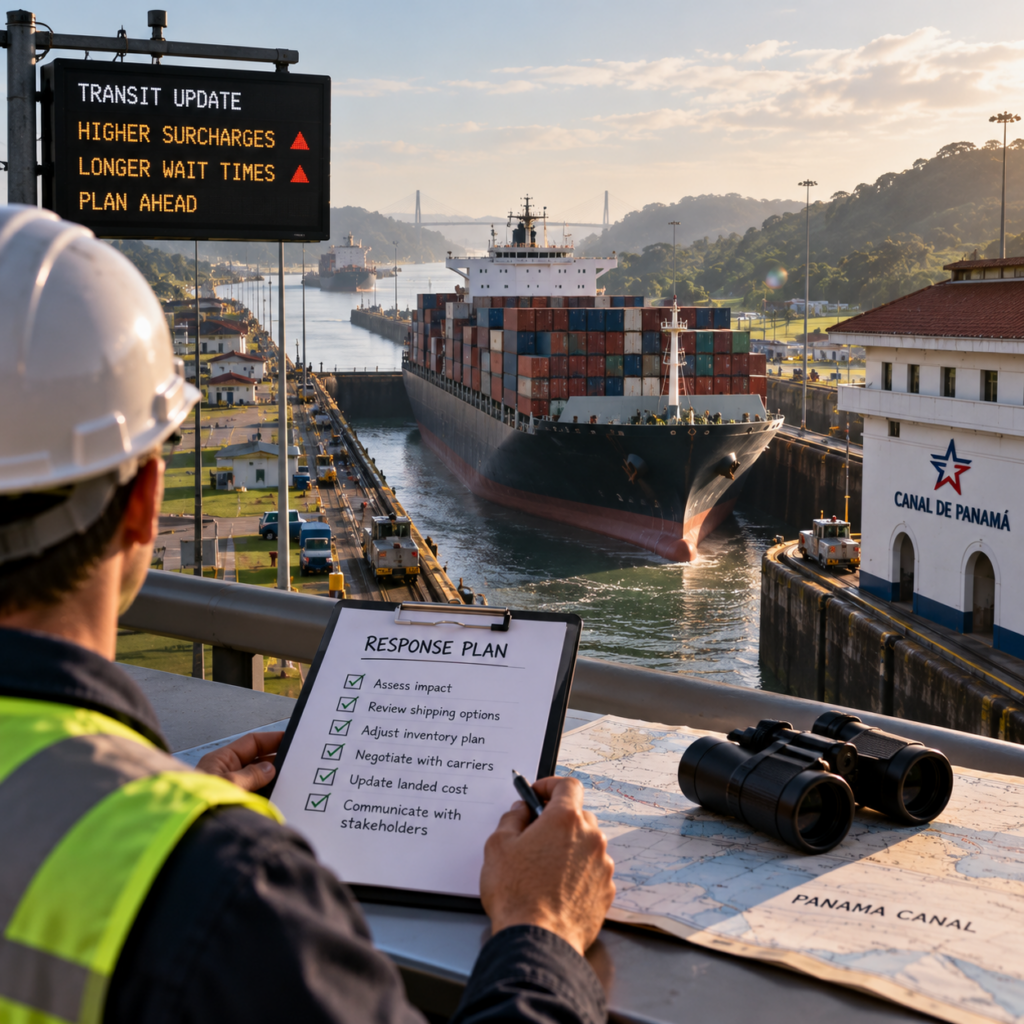
Panama Canal Surcharges: A Practical Response Plan for Importers
Panama Canal restrictions create more than a freight-rate problem for importers. When vessel draft limits persist and carriers introduce or increase fees, the effects can spread across landed cost, booking availability, transit reliability, inventory timing and customer margins. A shipment that still follows its normal route may cost more, while rerouting it can introduce longer […]
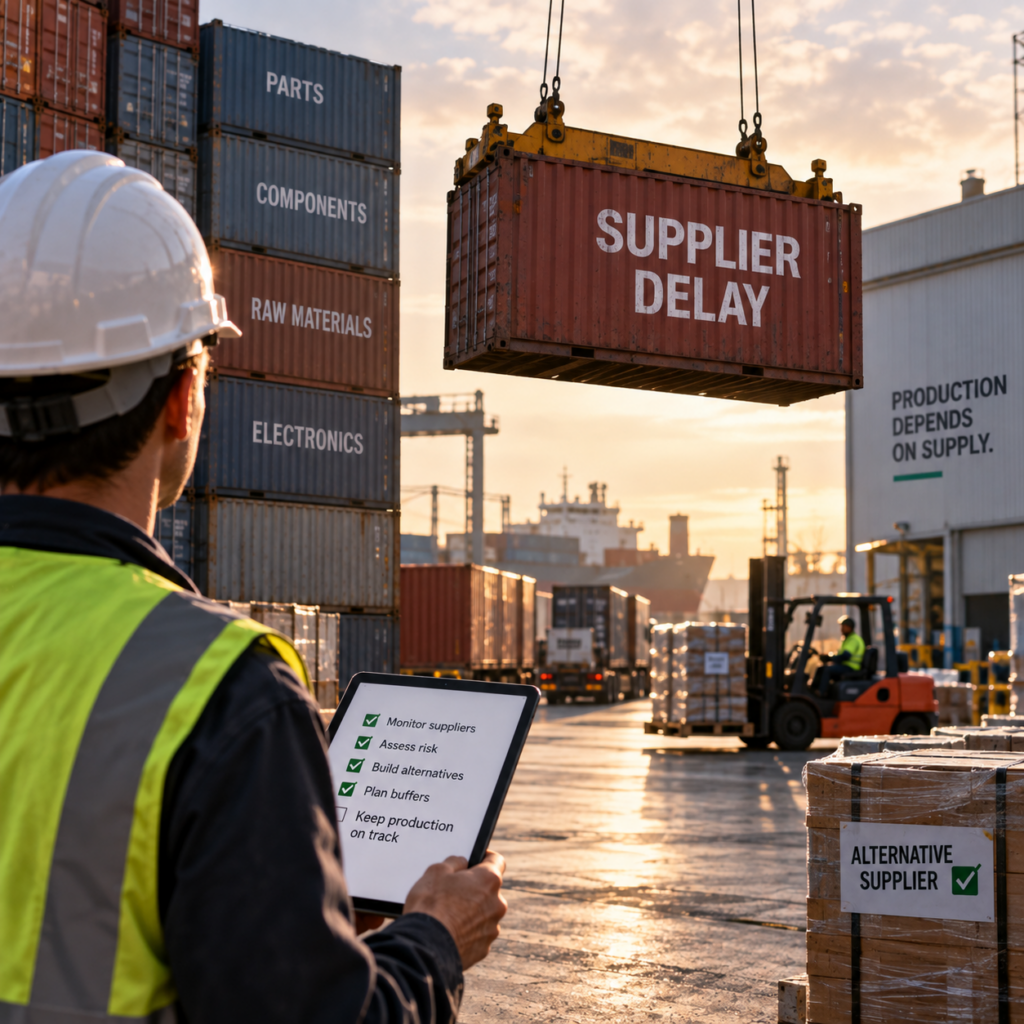
How Manufacturers Can Manage Supplier Bottlenecks Before They Constrain Production
A supplier problem becomes a production problem when a missing part—not overall purchasing volume—determines whether a finished product can ship. That is why manufacturers need more than a general supplier scorecard. They need a way to identify which underperforming vendors can stop output, determine what is preventing recovery and choose an intervention before shortages reach […]
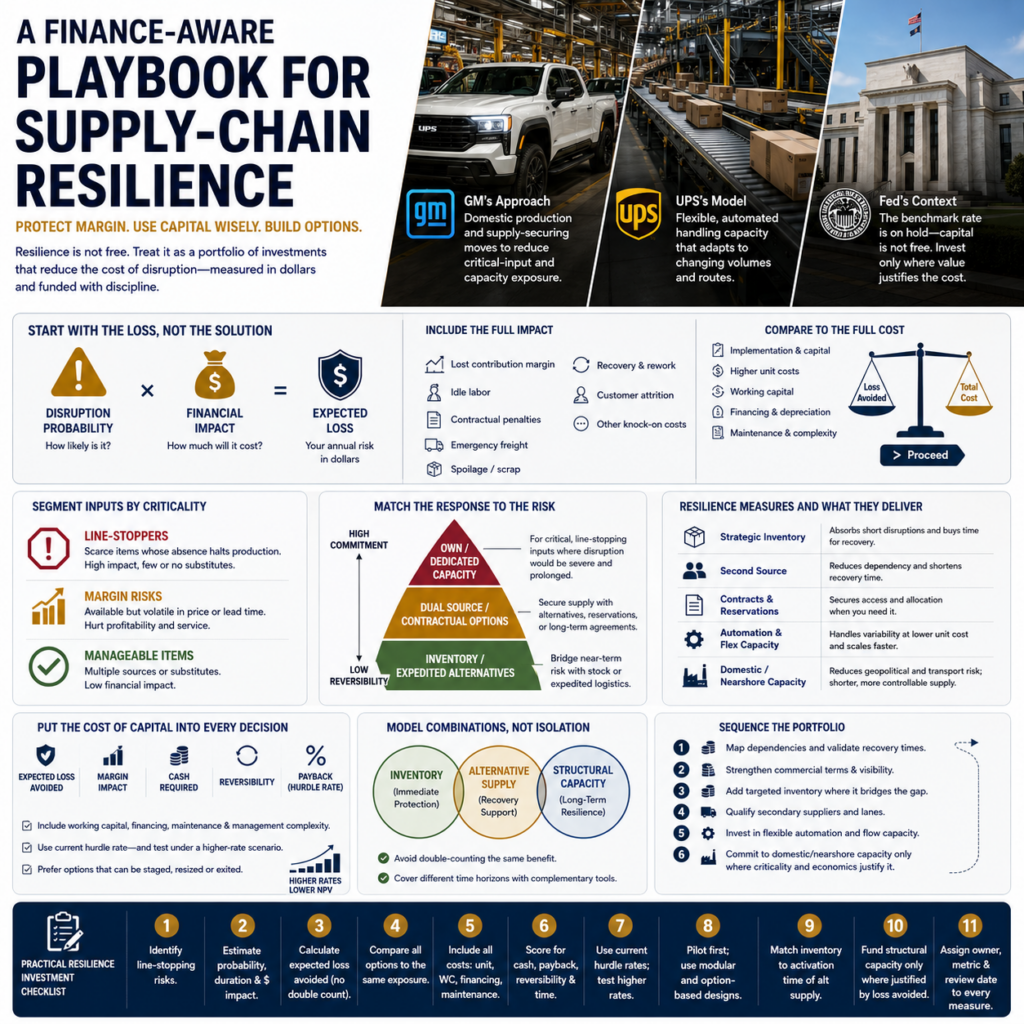
A Finance-Aware Playbook for Supply-Chain Resilience
Resilience is easy to endorse and difficult to fund. When commodities, freight and borrowing all remain expensive, operators cannot simply add suppliers, inventory, domestic capacity […] ...
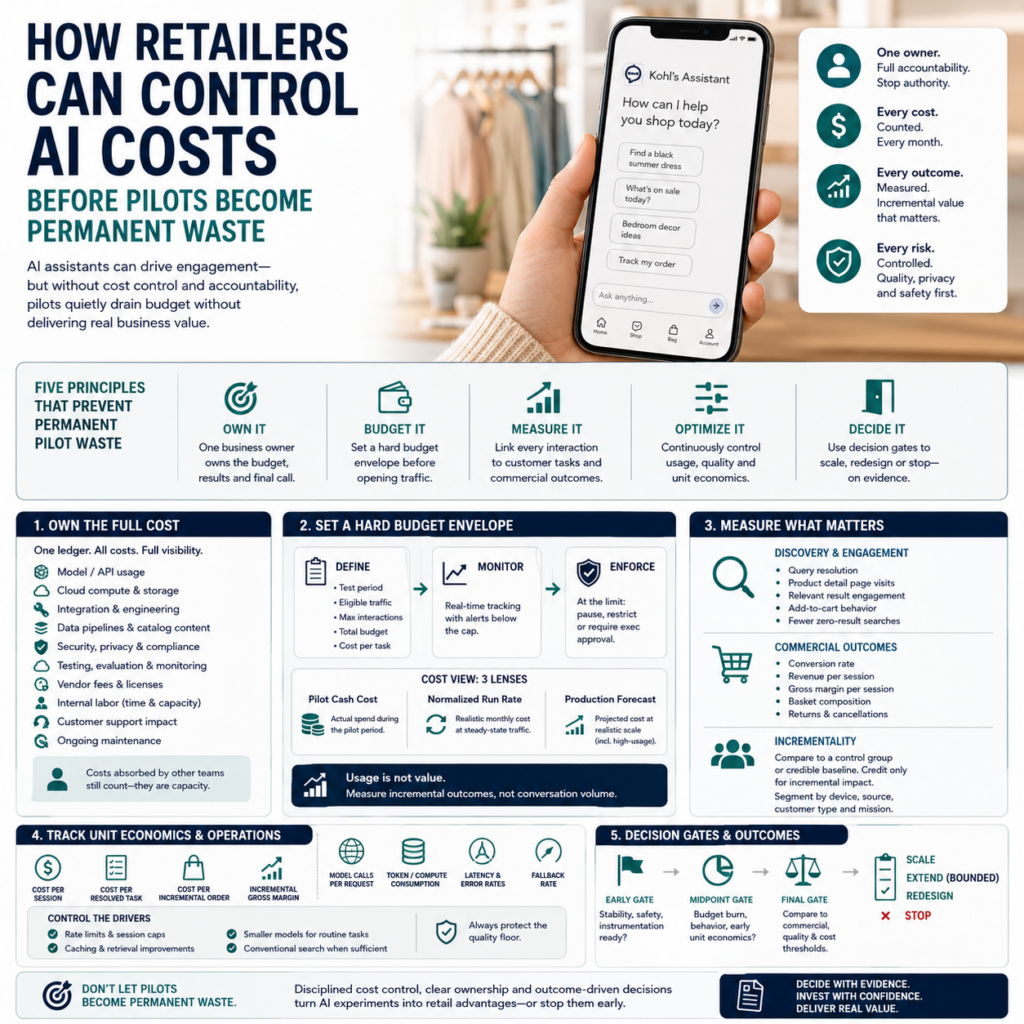
How retailers can control AI costs before pilots become permanent waste
Customer-facing AI can move from experiment to recurring expense faster than retailers can determine whether it creates value. A shopping assistant, for example, may require […] ...
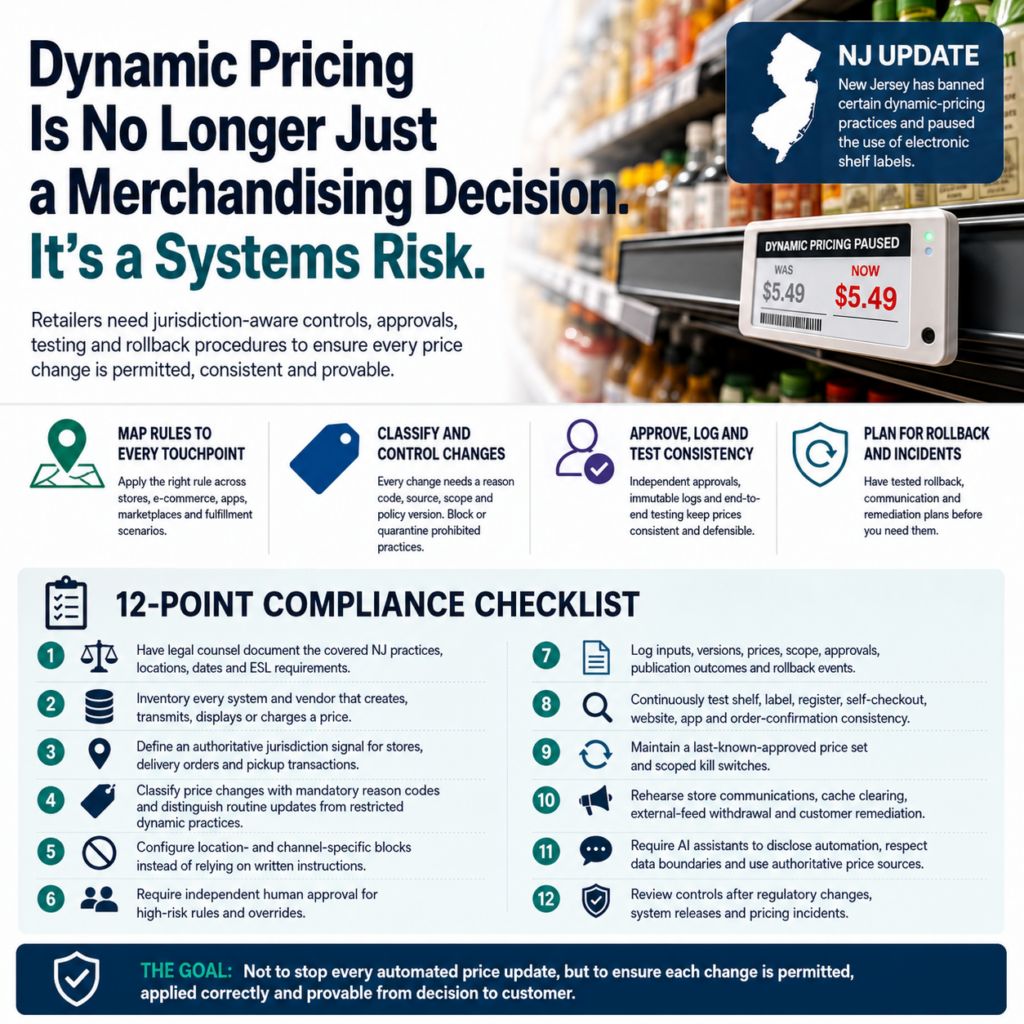
Dynamic-pricing regulation is now a retail systems risk
Dynamic pricing is no longer only a merchandising decision. For retailers operating automated pricing across stores, websites and apps, it is becoming a systems-governance issue: […] ...
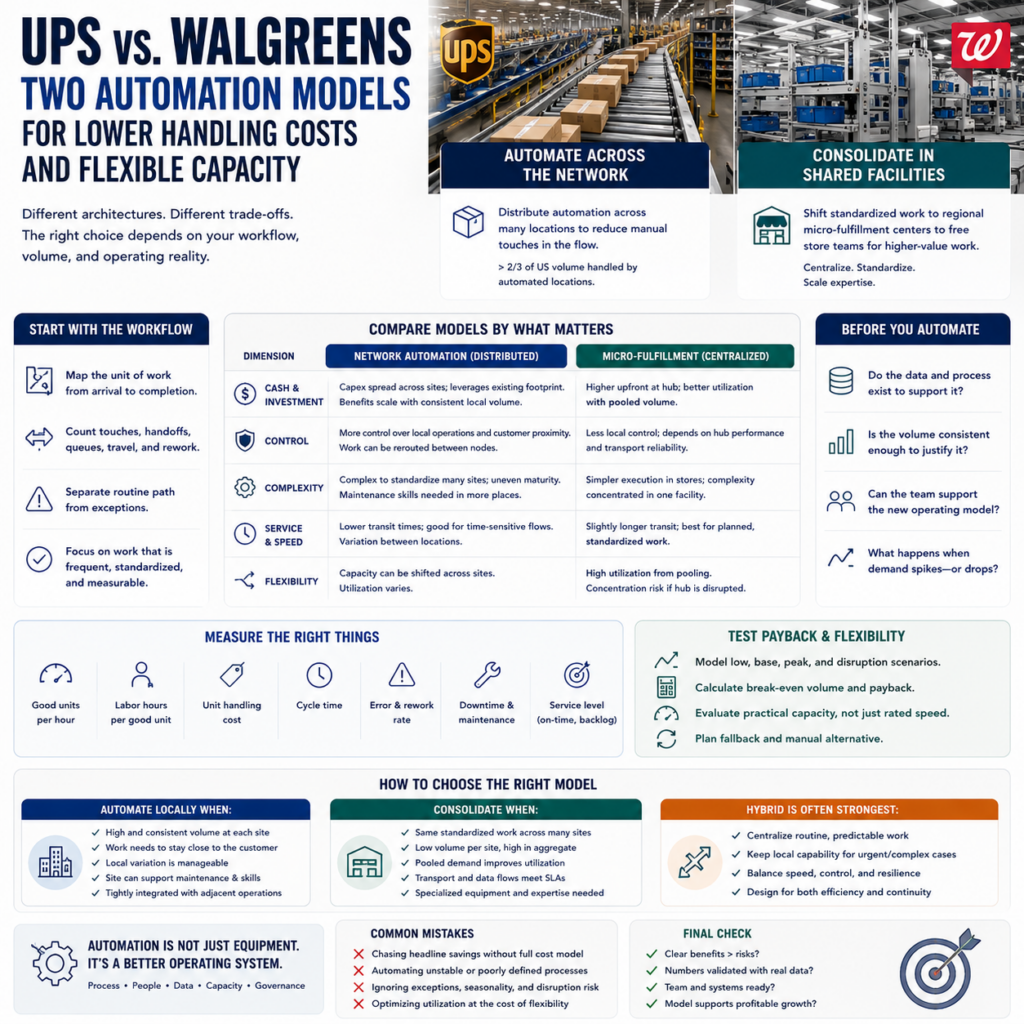
UPS vs. Walgreens: Two Automation Models for Lower Handling Costs and Flexible Capacity
High-volume automation is not one strategy. UPS and Walgreens illustrate two distinct architectures: automate work across an existing operating network, or consolidate repetitive work in […] ...