
Latest News
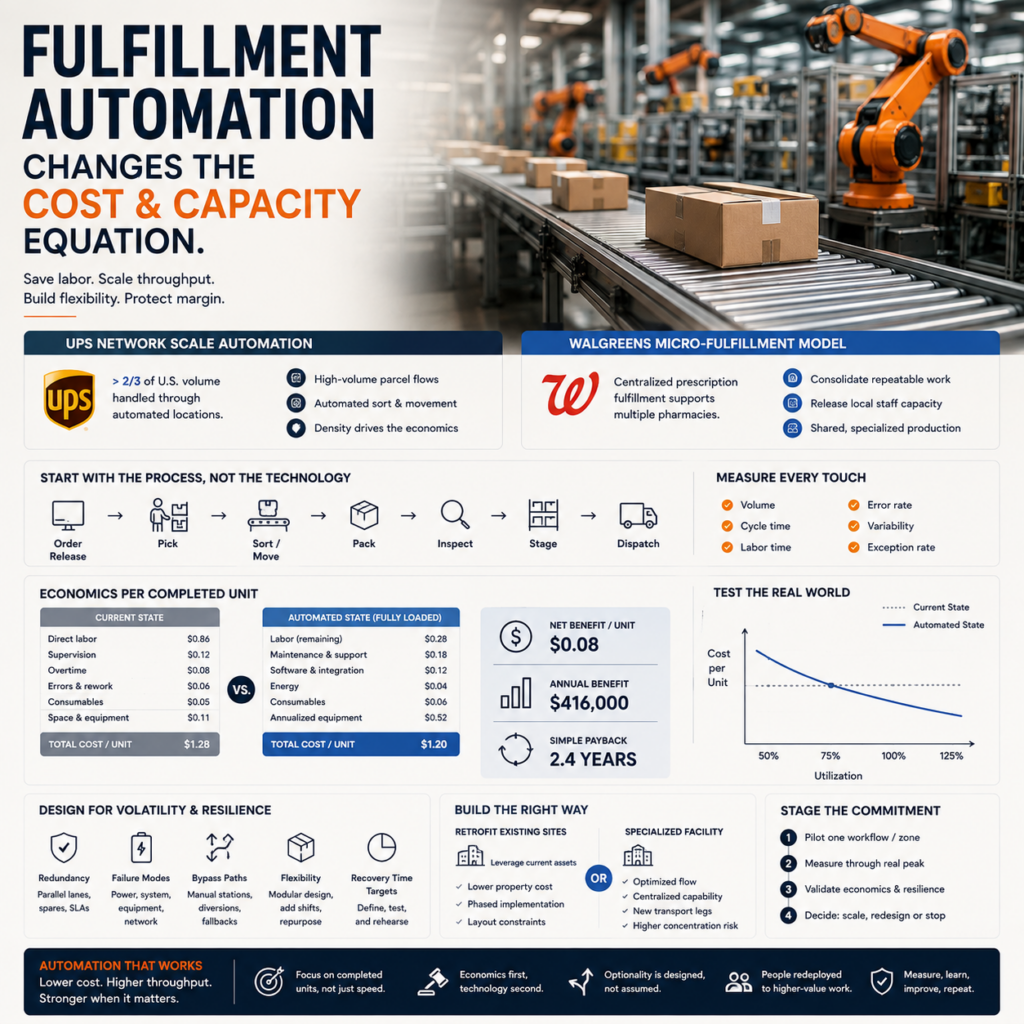
How Fulfillment Automation Changes the Cost and Capacity Equation
Fulfillment automation is often presented as a labor-saving purchase. That framing is too narrow. The real investment question is whether automation can change the relationship between cost, throughput and operational flexibility without making the network dangerously rigid. UPS and Walgreens illustrate two different versions of that equation. UPS applies automation across a parcel network built […]
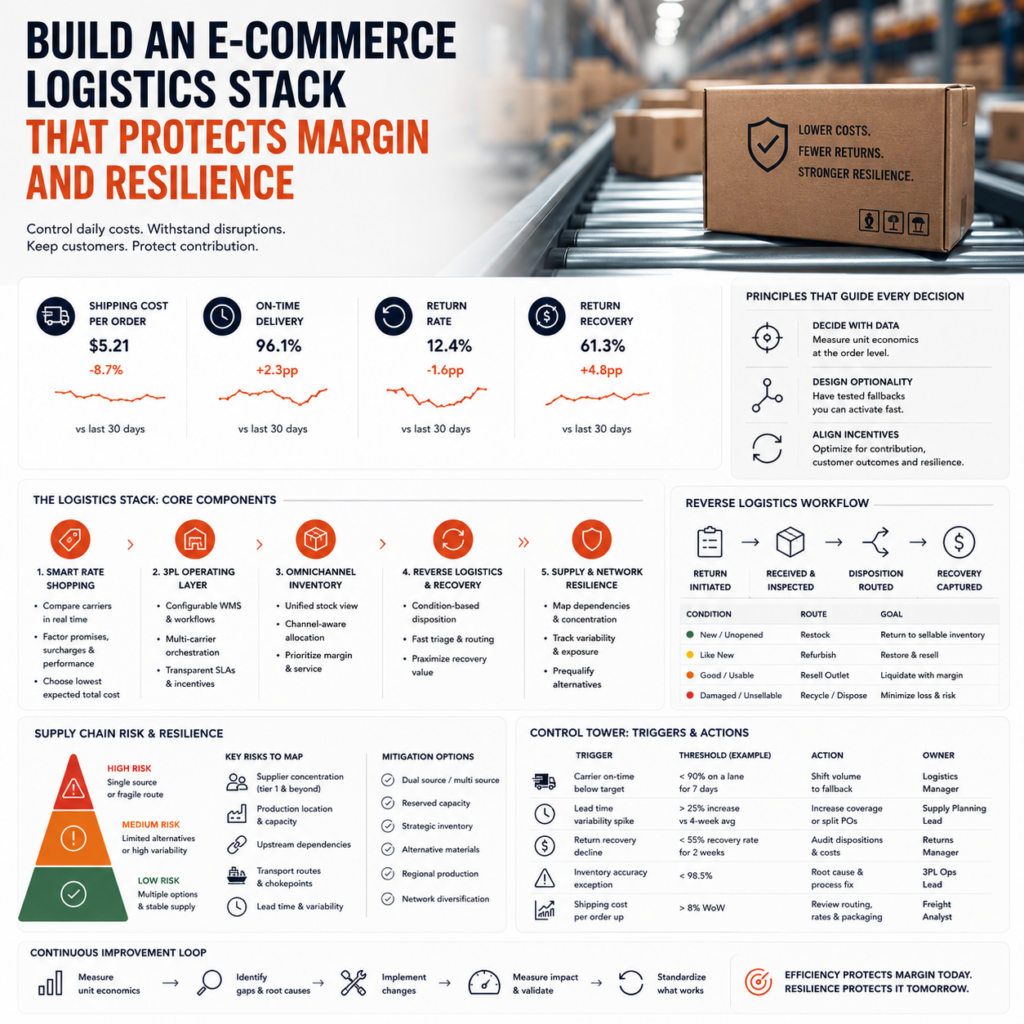
How to Build an E-Commerce Logistics Stack That Protects Margin and Resilience
A resilient e-commerce logistics stack must solve two different problems at once. Every day, it should prevent parcel charges, fulfillment friction and returns from quietly consuming margin. During a disruption, it should preserve enough optionality to keep products moving. These goals are often managed separately: fulfillment teams optimize outbound cost, while procurement teams handle supply […]
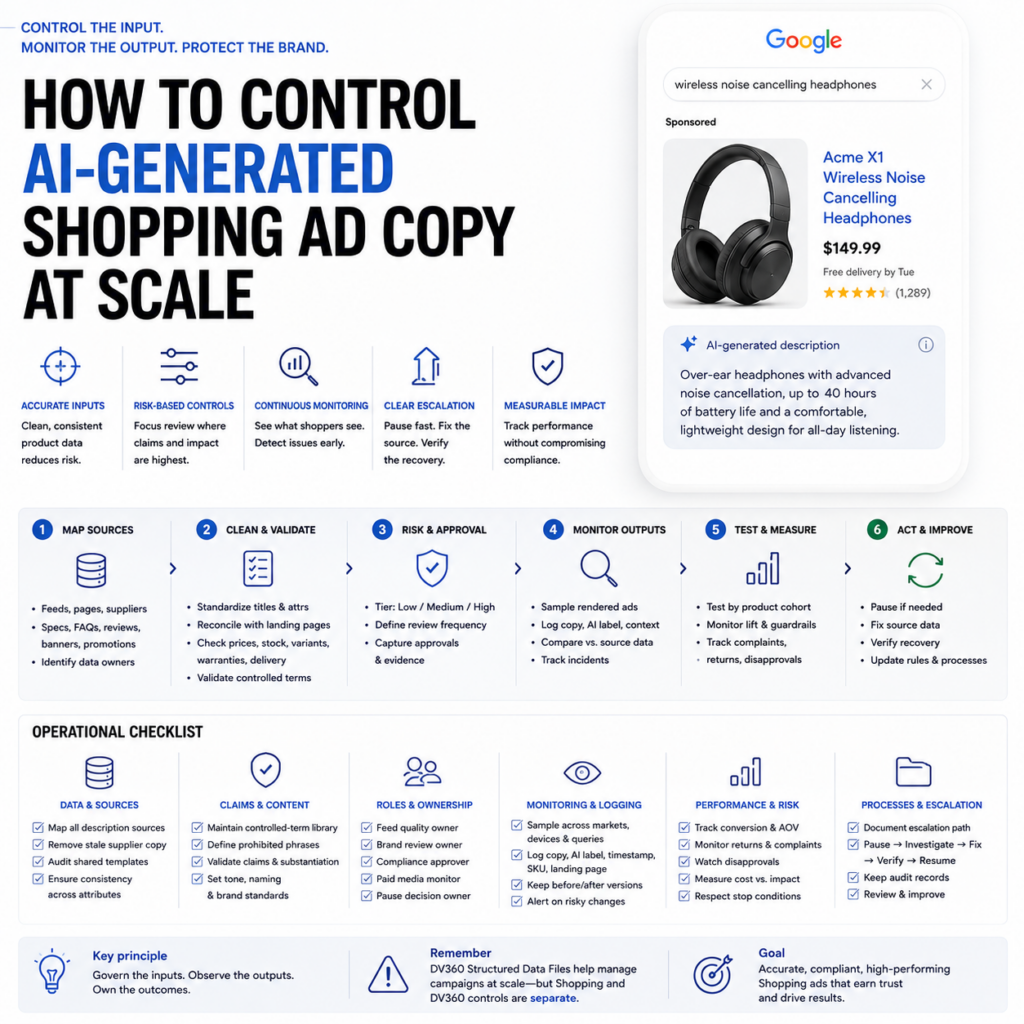
How to Control AI-Generated Shopping Ad Copy at Scale
Google’s test of AI-generated descriptions in Shopping ads changes an important part of advertising operations: merchants may supply the product data, but the displayed message can be synthesized by the platform. According to Search Engine Land, the test uses information from merchants’ websites and other sources to generate descriptions, with an AI-generated label appearing alongside […]
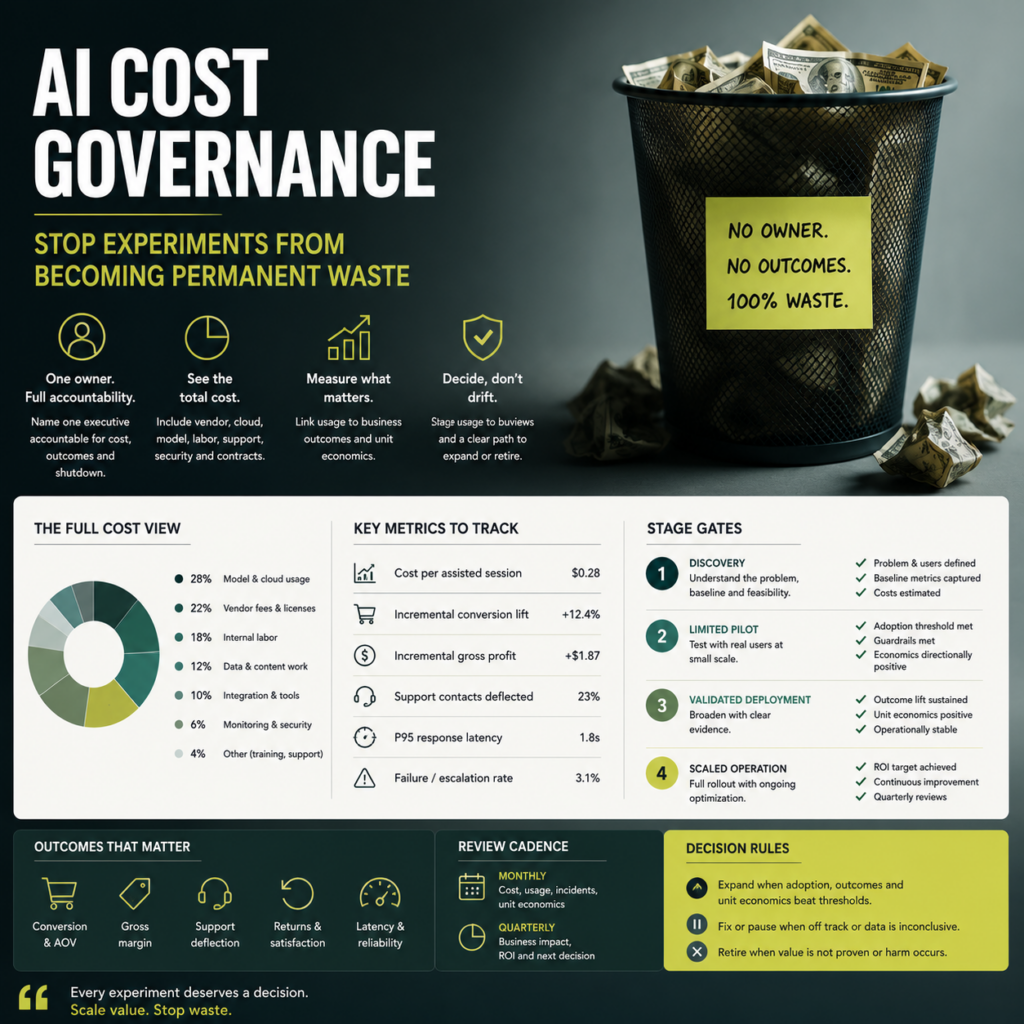
AI Cost Governance: How to Stop Experiments From Becoming Permanent Waste
AI experiments rarely become waste because someone deliberately approved a bad investment. More often, a pilot launches with shared enthusiasm but no single owner for its total cost or commercial outcome. The tool remains available, invoices renew, infrastructure usage grows, and nobody has both the authority and the evidence required to stop it. That is […]
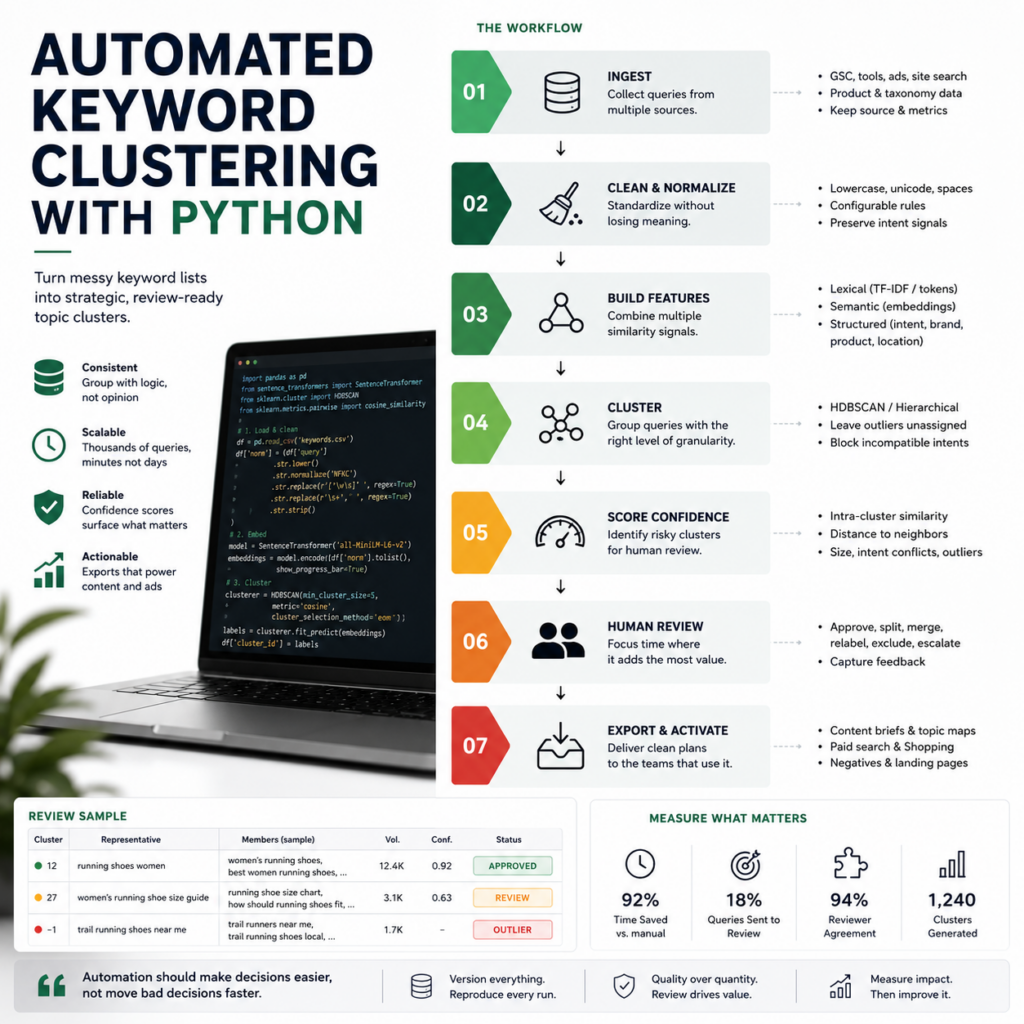
How to Build an Automated Keyword Clustering Workflow With Python
Manual keyword grouping works until the list grows, naming becomes inconsistent, and different marketers classify the same query differently. A Python workflow turns that fragile process into a repeatable operation: ingest queries, normalize them, calculate similarity, form clusters, flag uncertain results, and export a plan that people can actually use. The objective is not to […]

Estate Planning for Business Owners: Ensuring Your Business Outlives You
For entrepreneurs and small business owners, planning for the future of your business may seem daunting. However, with expert estate planning strategies for business owners, […] ...
Case Study: Expanding Overseas One Startup’s Legal Challenges and Solutions
In today’s interconnected global market, startups are increasingly eager to expand abroad in search of new customers, resources, and opportunities. However, growth often comes with […] ...
Case Study: A Business Fined for Non-Compliance – Learning the Hard Way
Running a business today means navigating a maze of regulations and compliance requirements. Even successful companies can stumble when they misinterpret policies or overlook key […] ...

Background Checks: Legal Limits When Screening Job Candidates
Screening job candidates is a vital process for any growing business. As you work to secure top talent, it is essential to recognize that background […] ...