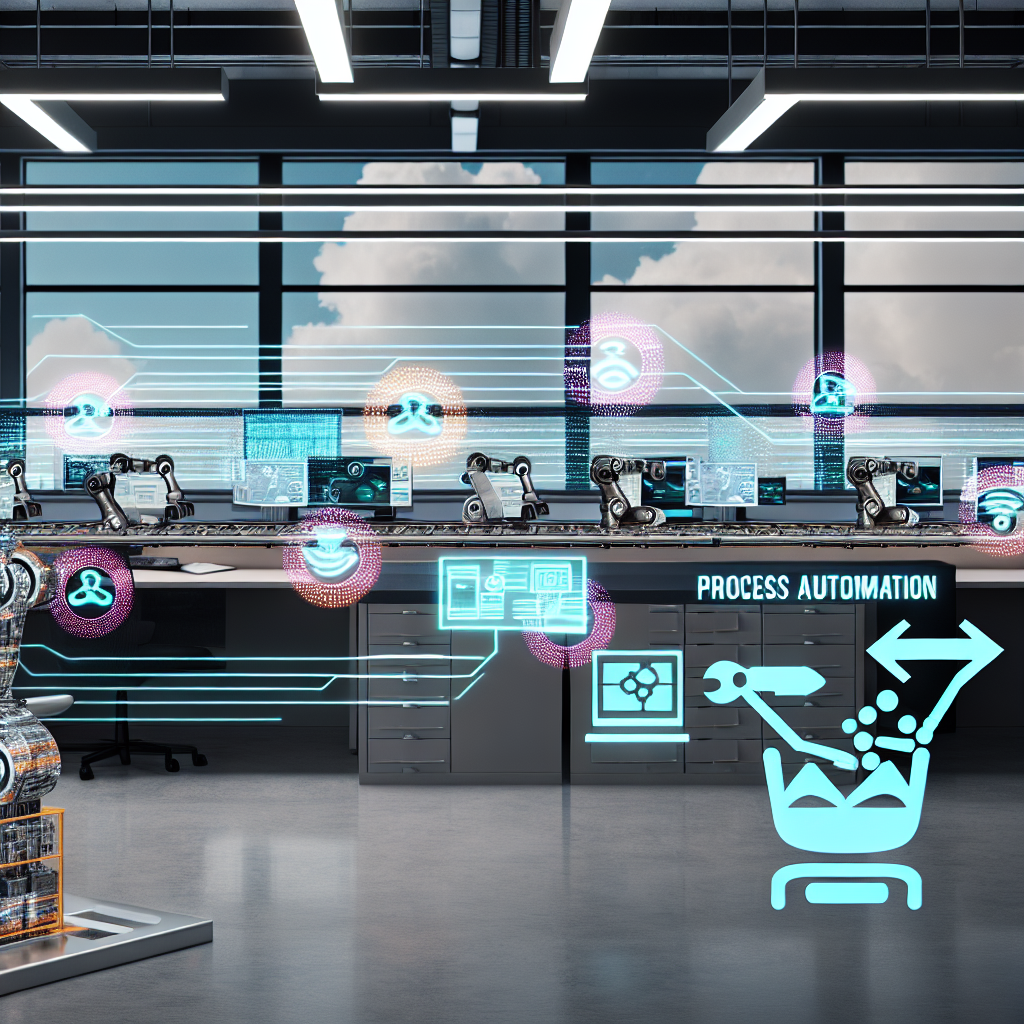
Small business owners and entrepreneurs are increasingly adopting automation to streamline tasks and concentrate on strategic growth. As technology evolves, process automation is undergoing transformative shifts that not only save time but also drive innovation and enhance decision-making. In today’s dynamic market, leveraging automation innovations can provide a significant competitive edge.
Understanding Today’s Process Automation Landscape
Automation is no longer limited to basic task management. Modern businesses deploy advanced systems that integrate multiple tools and use complex algorithms and artificial intelligence to manage entire workflows. Progressive companies are moving away from conventional methods toward a more integrated and agile approach. Common applications include invoice processing, customer relationship management (CRM), and supply chain logistics.
A key challenge for business owners is ensuring that automation solutions are both scalable and adaptable. As businesses expand, their processes evolve as well. Future process automation technologies are designed with flexibility in mind, offering seamless integration and easy adaptation to market changes. Investing in highly customizable platforms enables companies to grow without constantly replacing outdated systems.
The Rise of Emerging Process Automation Trends
Emerging trends in process automation are reshaping how businesses pursue operational efficiency and innovation. Among the most impactful innovations is the integration of artificial intelligence (AI) and machine learning. These technologies analyze existing data to forecast trends, personalize workflows, and detect potential issues before they escalate.
Robotic Process Automation (RPA) is another transformative solution. Modern RPA software has evolved to handle more complex decision-making processes, going beyond repetitive tasks. These innovative tools not only cut operational costs but also improve precision and insight in daily business operations.
Hyperautomation is another noteworthy trend, combining various technological tools to work in synergy. This comprehensive approach simplifies complex business processes and leverages data for strategic growth. By embracing these emerging trends, companies can streamline operations and implement integrated, cost-effective processes.
Innovative Process Automation Solutions in Practice
For many small business owners, the transition to automation can seem daunting. However, innovative process automation solutions are designed to simplify complex operations. Industry experts recommend starting with a detailed roadmap that identifies processes in need of improvement. Begin by evaluating current workflows and pinpointing repetitive tasks that consume valuable time.
A phased approach to automation is ideal—start with less critical operations and gradually extend automation to core functions. This strategy minimizes risks while enabling continuous learning and adaptation. As your business grows, ensure that your automated processes remain scalable and fully integrated with your overall business strategy.
Platforms like Make Business offer valuable resources to help small enterprises harness the benefits of digital transformation. Such support is crucial for navigating modernization challenges and staying ahead of market trends.
Future Process Automation Technologies Shaping Tomorrow
The future of process automation is filled with exciting innovations. Emerging technologies are integrating real-time analytics, the Internet of Things (IoT), and advanced cybersecurity measures. Imagine a system where connected devices and intelligent software collaboratively monitor everything from employee performance to inventory management. This seamless integration not only streamlines operations but also provides actionable insights for business growth and efficiency.
Currently adopted in manufacturing, healthcare, and logistics, these advanced tools are expected to become accessible to smaller enterprises over time. Cloud-based automation solutions, for instance, require minimal upfront investment, allowing startups to enjoy robust data-driven process optimization without heavy initial costs.
Entrepreneurs are encouraged to follow industry reports and insights from trusted sources like Forbes to stay updated on technological advancements and market shifts. Being well-informed not only enables timely decision-making but also prepares businesses to handle unexpected disruptions, ensuring long-term resilience.
Integrating a Human Touch in an Automated World
While process automation technology is rapidly advancing, it remains essential to balance technology with a human touch. Automation should complement, not replace, the human element. By embracing cutting-edge tools, businesses can foster a collaborative environment where employees concentrate on creative and strategic tasks while automated systems handle routine operations.
This balanced approach ensures that work environments continue to prioritize human interaction. By empowering employees with smart tools, businesses can enhance innovation and problem-solving capabilities. Dashboards that combine automated analytics with human insights help teams make informed decisions, boosting both productivity and job satisfaction.
Innovative process automation solutions also facilitate feedback loops that incorporate employee input, creating a culture where technology and talent work together seamlessly. For entrepreneurs, this means investing in top-tier technology alongside comprehensive training programs to align their teams with advancements in automation.
Although adapting to new technologies may require an adjustment period, integrating automation with a human-centric strategy ultimately leads to substantial improvements in efficiency, creativity, and customer satisfaction. The future is promising for businesses that embrace change, using innovative process automation to reimagine what is possible. By staying abreast of emerging trends and future technologies, entrepreneurs can optimize operations and build resilient, agile business models.
- Scale automation from simple tasks to integrated, agile systems.
- Adopt emerging trends like AI, machine learning, and RPA.
- Leverage future technologies such as IoT and cloud-based solutions.
- Empower your workforce by enhancing human creativity with advanced automation tools.