As climate change intensifies and water resources dwindle, entrepreneurs and small business owners are embracing smart water management strategies to protect this essential resource. Breakthroughs in water technology are paving the way for sustainable practices across both rural farmlands and urban centers, reducing costs, boosting efficiency, and benefiting the environment.
Emerging Trends in Water Management
In a rapidly evolving technological landscape, water managers are turning to intelligent systems that monitor and control water usage. Innovative applications, such as IoT-driven sensors and automated irrigation tools, are revolutionizing water management in agricultural and urban settings. Advanced water-saving solutions in agriculture help farmers optimize irrigation by applying the precise amount of water needed for each crop. This real-time data-driven approach reduces waste and maximizes yields by scheduling irrigation based on actual soil moisture levels rather than fixed timetables.
In urban settings, municipalities and local businesses are leveraging smart water conservation technology to enhance city sustainability. Embedded sensor networks detect leaks, monitor water quality, and suggest optimal distribution routes. These systems provide valuable insights to operators and planners, ensuring water is allocated where it is needed most.
For both urban and agricultural users, modern monitoring systems not only enhance efficiency but also conserve water, resulting in long-term cost savings. Adopting these smart systems demonstrates a commitment to sustainable practices and positions organizations as forward-thinking leaders in green innovation.
Leveraging Data and Integrating Smart Systems
The integration of data into water management has transformed traditional practices. Today’s systems combine sensor technology, machine learning algorithms, and cloud analytics to drive efficiency and accurately forecast water needs. This data-centric approach ensures a consistent water supply even as cities expand, making urban water conservation more reliable.
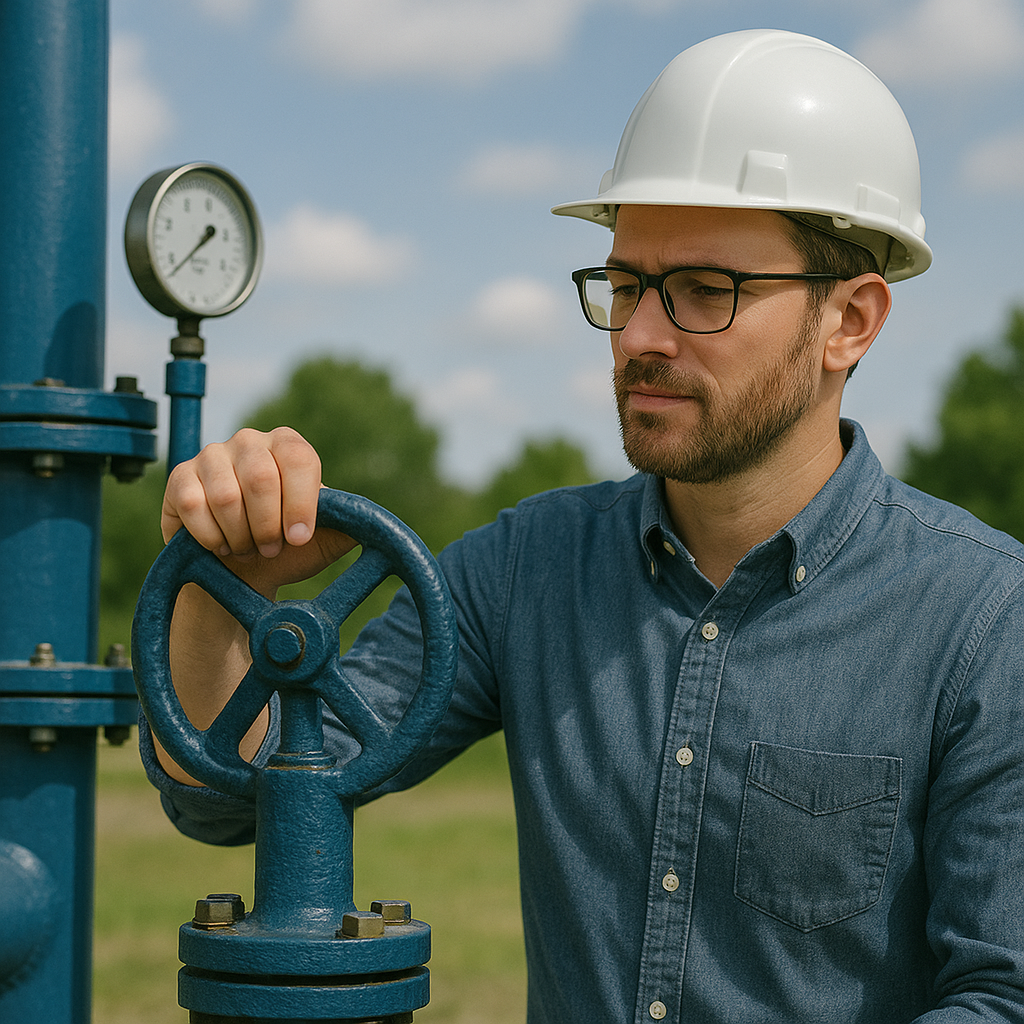
Aging infrastructure and inconsistent usage patterns have long posed challenges for water distribution. However, smart systems that continuously monitor water flow are revolutionizing utilities’ ability to quickly respond to emergencies such as pipeline bursts or theft. By reducing water loss and preventing costly disruptions, these systems create an adaptable framework that aligns consumption with demand.
For example, small businesses using these systems can quickly identify leaks and inefficiencies, reducing waste and cutting water bills. This proactive, output-based management serves as an excellent model for urban planners and private enterprises. Entrepreneurs interested in implementing these strategies can explore practical approaches and real-world examples across various industries.
Integrating the Power of IoT and AI
The fusion of IoT and AI is redefining water management. Imagine a network of connected devices continuously collecting data on water flow, pressure, and quality—data that AI algorithms analyze to identify patterns and predict potential failures before they occur. In agriculture, this can mean combining soil moisture sensors with weather forecasts to design precise irrigation strategies, ensuring every drop counts.
In urban environments, a similar technology stack enables real-time management of municipal water systems. By merging digital sensors with cloud analytics, cities can quickly spot areas of high water usage or sudden leaks, promoting a safer, more sustainable urban lifestyle. As these smart systems become more interconnected, even smaller cities will benefit from advanced water networks once reserved for large metropolitan areas.
Entrepreneurs and small business owners are increasingly recognizing the significant benefits of these innovations. Despite the initial investment, the long-term savings and operational efficiencies more than justify the expense. As these technologies become more accessible, their cost will decrease, opening the door for widespread adoption across diverse industries.
Business Benefits and Strategic Advantages
Innovative water conservation technology offers an array of business benefits. Lower water consumption directly translates to reduced operational expenses—a crucial advantage for small businesses. At the same time, these smart solutions enhance a company’s reputation as a responsible, future-focused brand. Consumers today favor businesses that balance profitability with environmental stewardship.
Consider a restaurant installing sensor-activated faucets or a boutique hotel integrating automated irrigation systems. These technologies reduce unnecessary water use and cut utility costs, while also strengthening the brand narrative. Clients and investors appreciate companies that prioritize environmental responsibility, often leading to increased customer loyalty and positive media exposure.
Moreover, many governments and local authorities offer incentives or subsidies for eco-friendly practices, further boosting the appeal of these technologies. By embracing water conservation innovations, small businesses not only enhance operational stability but also position themselves to benefit from sustainability-focused grants and partnerships.
Scalability and Future Prospects
One of the most impressive aspects of modern water conservation technology is its scalability. Small businesses can adopt systems tailored to their unique needs, with modular solutions that allow for gradual expansion. This flexibility removes the high barrier to entry, enabling businesses of all sizes to embark on a sustainability journey.
Retrofitting existing water systems with smart sensors or integrating AI-driven predictive maintenance not only improves resource efficiency but also aligns operations with modern regulatory standards. Investment in these technologies is driven not only by environmental concerns but also by the clear business advantages of reduced overhead costs and new revenue opportunities.
As public preference shifts toward sustainability, businesses embracing green technology gain a competitive edge by attracting talent, investments, and strategic partnerships. Investing in these pioneering systems today is a forward-thinking strategy that secures long-term operational success and addresses critical social, economic, and environmental challenges.
Beyond internal improvements, adopting eco-friendly technology serves as a powerful marketing tool, reinforcing a brand’s commitment to sustainability. In a world where every drop counts, a proactive approach to water management differentiates companies in the marketplace and inspires industry-wide change.
The benefits of water conservation technologies are clear: reduced operational costs, enhanced efficiency, and an improved brand image. Recognizing the strategic value of these innovations allows business owners to manage water resources more effectively while promoting economic viability and environmental stewardship.
Embracing a data-driven approach to water management—whether in agriculture or urban contexts—is not just a trend; it’s a smart investment in the future. As new solutions emerge, businesses that integrate data analytics, IoT, and AI will be well-positioned to tackle resource scarcity and drive sustainable growth.
Entrepreneurs seeking to scale their impact and reduce operational costs should explore the latest innovations in water conservation. These advanced solutions promise immediate savings and long-term sustainability, empowering businesses to lead the way in the green revolution.
- Innovative water conservation technology reduces waste and lowers operational costs.
- Advanced water-saving innovations in agriculture optimize irrigation and boost crop health.
- Smart water conservation systems enhance urban sustainability through real-time data management.
- Investing in water conservation technology strengthens brand reputation and market competitiveness.