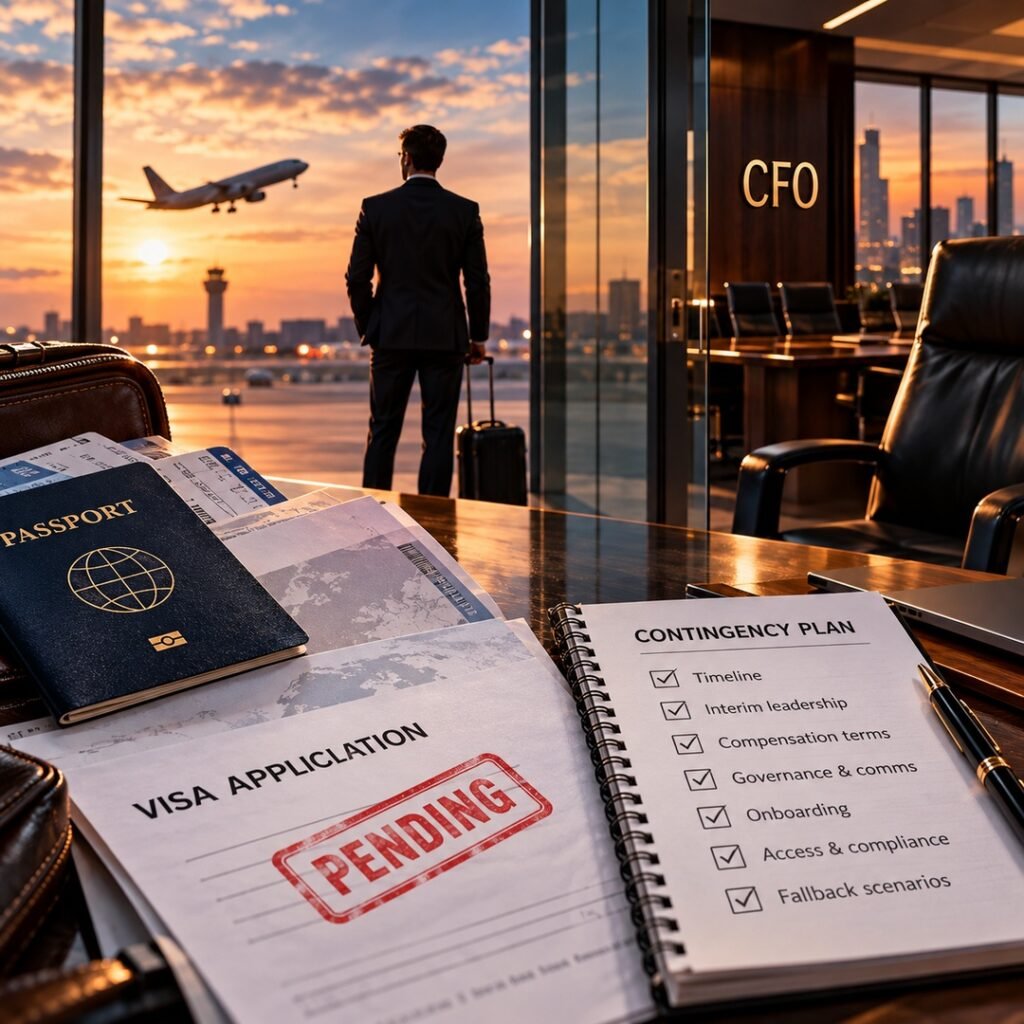
Travel and technology have transformed dramatically in recent years. Digital innovation now redefines how we explore the world, offering entrepreneurs and small business owners exciting new opportunities for efficiency, enhanced customer engagement, and streamlined operations. Integrating modern digital tools into travel is not merely a trend—it is a strategic imperative that fuels business growth and elevates personal travel experiences.
Embracing the Future: Smart Technology Transforming the Travel Landscape
The travel industry is undergoing a smart technology revolution. Today’s booking platforms leverage artificial intelligence to create personalized itineraries, while wearable devices deliver real-time language translations during international trips. This evolution makes travel smarter, more immersive, and tailored to individual needs.
By integrating technology into travel experiences, companies can offer customized recommendations that perfectly match diverse travel styles. For entrepreneurs and small business owners, this means managing corporate trips or client tours with greater efficiency and reduced hassle. These innovative tools save valuable planning time and contribute to memorable, enriching journeys.
Cutting-edge apps harness data analytics to predict travel trends, optimize routes, and provide instant recommendations for dining, accommodations, and leisure activities. Smart technology reduces uncertainty and boosts traveler satisfaction by ensuring every journey is convenient and fulfilling.
Enhancing Business Travel Through Integrated Technology Solutions
For busy entrepreneurs, time is a precious asset. Modern business travel is made easier with technology that streamlines every aspect of the journey. Enhanced travel solutions mean efficient expense tracking, simplified bookings, and automatic itinerary updates—all contributing to a smoother travel experience.
Many travel management platforms now offer integrated dashboards where travelers can book flights, accommodations, and ground transportation in one place. This digital consolidation minimizes errors, saves time, and reduces costs while managing multiple bookings simultaneously.
Technology also boosts in-trip productivity. Reliable mobile Wi-Fi, secure Virtual Private Networks (VPNs), and cloud-based business data access ensure that even while on the move, connectivity and data security remain uncompromised. These innovations highlight that modern travel technology is about both convenience and peace of mind.
Digital tools that automatically compile travel reports make it easier for small business owners to manage budgets and analyze travel patterns. Increasingly, companies are partnering with service providers, such as comprehensive business consulting services, to integrate these technologies and streamline their corporate travel processes.
Redefining Travel Experiences Through Digital Innovation
Digital innovation in travel extends far beyond booking. It enhances local experiences and sensory exploration by offering mobile apps with live translations, augmented reality city tours, and real-time local event updates. These tools allow travelers to move seamlessly from planning to experiencing and ultimately return with inspiring stories.
Many tourist destinations are adopting smart technology to improve visitor experiences. Interactive kiosks at airports, museums, and transit hubs now empower travelers with personalized, up-to-date information. From landing to departure, every step of your journey becomes an opportunity to discover and interact with the local environment.
Entrepreneurs can leverage this digital transformation to unlock new business opportunities. Travel agencies, tour operators, and accommodation providers can integrate smart technology to enhance customer service and gather valuable data on visitor behaviors. These insights drive better marketing and operational strategies, ensuring competitive advantage in a digital marketplace.
Streamlined Communication and Mobile Solutions
Effective communication is at the heart of successful business travel. Modern mobile messaging apps and VoIP solutions keep even the most remote traveler connected to colleagues and clients. Whether it’s a quick video conference or a live chat, these tools bridge the gap between work and travel seamlessly.
Smart technology also alleviates in-transit challenges. Navigation apps that provide real-time traffic updates help avoid delays and disruptions, while integrated ride-share and public transport updates ensure timely connections. These solutions empower business travelers with the control and flexibility required to achieve critical milestones or manage emergencies while on the move.
Leveraging Data and Security for a Seamless Travel Journey
As travel services become increasingly digital, robust data security and privacy measures are more vital than ever. Investing in strong cybersecurity safeguards sensitive information and secures financial transactions associated with travel bookings and reservations.
Data analytics is transforming travel experiences. By analyzing travel patterns, companies can fine-tune services, optimize budgets, and personalize experiences to exceed customer expectations. Entrepreneurs benefit from a data-driven approach that informs smart travel decisions and fosters business growth.
Innovative companies now use machine learning and big data analytics to predict travel trends, avoid bottlenecks, and create customized experiences for both leisure and business trips. According to Forbes, digital solutions in travel have not only enhanced service delivery but have also spawned new business models within the tourism industry.
Secure data management practices such as multi-factor authentication, end-to-end encryption, and continuous threat monitoring are essential. Whether managing online reservations or attending international conferences, safeguarding digital transactions builds trust and supports long-term success.
Businesses that prioritize cybersecurity while integrating advanced travel technologies create an ecosystem where customers can explore new experiences with confidence. This approach is also beneficial for internal operations like accounting, inventory management, and customer relationship management (CRM), ensuring robust and secure systems throughout the organization.
Looking ahead, continual technological advancements promise even more sophisticated travel experiences. With augmented reality, virtual reality, and the Internet of Things (IoT) shaping the future, the potential for innovative travel solutions is limitless. Entrepreneurs can tap into this evolving landscape to enhance travel experiences and inspire new business ventures that address modern travel needs.
Embracing these technologies might seem complex initially, but the long-term rewards are substantial. Enhanced customer interactions, improved operational efficiency, and increased security are just a few benefits that empower small businesses to thrive in today’s competitive market.
Digital innovations are reshaping every stage of the travel journey—from initial planning to post-trip feedback collection. By embracing a data-driven approach and integrating cutting-edge technology, entrepreneurs and small business owners are not just adapting to change—they are driving it. Investing in digital transformation is a crucial step toward achieving long-term success in the travel industry.
The digital transformation of travel creates a world where business travelers no longer have to choose between comfort, productivity, or security. Instead, technology opens doors to new experiences, innovative programs, and exciting opportunities. Whether you are launching a new travel venture or optimizing your current operations, modern technology is your gateway to a more efficient and rewarding travel experience.
- Smart technology enhances efficiency in booking, planning, and communication.
- Entrepreneurs profit from personalized travel experiences and data-driven insights.
- Robust cybersecurity measures protect sensitive information throughout the journey.
- Digital innovation creates new business models and opportunities in the travel industry.