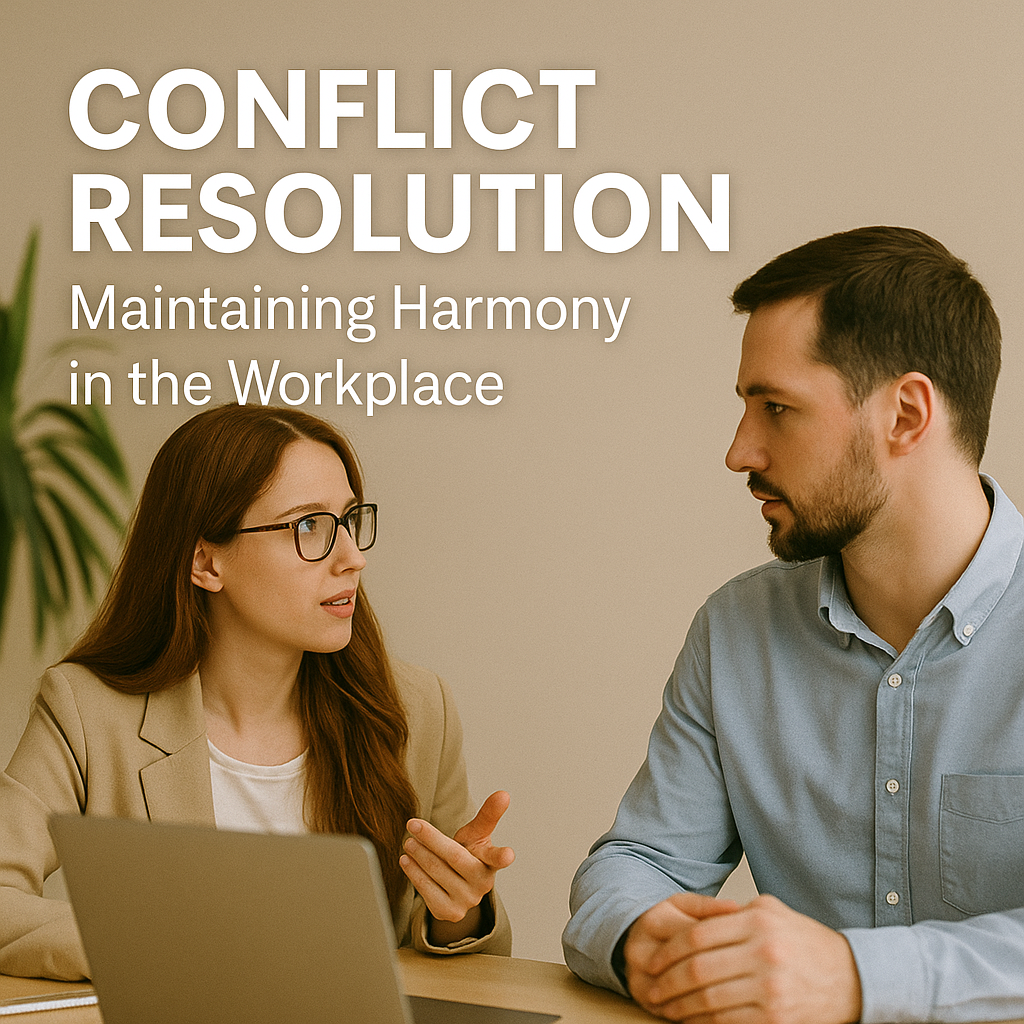
Workplace disputes are common when deadlines, high expectations, and diverse personalities intersect. Yet, these conflicts do not have to become crises. Effective conflict resolution strategies can strengthen teamwork, boost productivity, and create a healthier work environment. Today’s entrepreneurs and small business owners have a wealth of tools for resolving disputes, turning conflict into an opportunity for growth through open communication and empathy.
Understanding the Roots of Workplace Conflict
Most workplace disagreements arise from misunderstandings or miscommunications. Conflicts often start with differences in values, work styles, or unclear roles and responsibilities. When individuals adopt a defensive mindset, tensions escalate rather than resolve. By identifying the underlying issues, your team can better implement effective workplace conflict resolution strategies.
Personal differences, intensified by business competition, may seem like general dissatisfaction or lack of commitment. However, a deeper look often reveals a breakdown in communication or vague expectations. Recognizing these factors empowers you to establish clarity and encourage dialogue, preventing issues from growing.
Implementing Conflict Management Strategies That Work
Mediating conflicts effectively is one of the most valuable skills in today’s business environment. Whether you are a manager stepping in during disputes or a team member assisting colleagues, using proven workplace conflict resolution techniques is essential for maintaining harmony. Small businesses often benefit from structured approaches that save time, energy, and ensure every voice is heard.
Begin by setting clear guidelines for discussing challenges. When team members know they have a respectful space to express their concerns, they communicate more openly. Regular meetings dedicated to addressing issues before they escalate can significantly reduce tension and foster long-term team cohesion.
If managing conflicts feels overwhelming, consider engaging a neutral third party. Many companies achieve a more harmonious work environment by hiring professionals specializing in de-escalation and mediation. These experts offer frameworks and tools that address both the emotional and practical aspects of disputes, leading to solutions based on mutual understanding and collaboration.
Cultivating a Culture of Open Communication
A proactive method to mitigate internal conflicts is to cultivate an organizational culture where open dialogue is standard practice. For small business owners, the close-knit nature of teams can be both an asset and a challenge. Encouraging employees to share feedback and discuss conflicts builds stronger team dynamics.
Incorporate team-building activities and workshops into your routine. These sessions provide a relaxed setting to practice active listening and conflict resolution techniques, free from the pressure of high-stakes disagreements. Regular workshops not only build communication skills but also reinforce the concept that conflicts can be addressed collaboratively.
Integrate conflict resolution training into your onboarding process. Equipping new hires with these essential techniques sets a positive precedent from day one and fosters a resilient team capable of handling both internal and external challenges.
Empowering Your Team Through Proven Strategies
Successful conflict management starts with establishing the right strategies before disputes occur. Business owners looking to improve their workplace environment should focus on long-term solutions that promote positive interactions. One key strategy is to emphasize emotional intelligence—helping employees recognize their triggers and those of their colleagues can lead to early intervention and a more thoughtful response to conflict.
The “win-win” approach is another effective technique. In this model, every party works together to find solutions that benefit all, rather than competing against each other. This cooperative mindset is a foundation of successful conflict mediation strategies, shifting the focus from personal grievances to collaborative problem-solving.
Additionally, establishing an anonymous feedback system allows employees to share suggestions and identify issues without fear. This routine check-in can uncover hidden conflicts and prevent minor misunderstandings from escalating into major problems.
To refine your conflict resolution approach further, explore how other businesses address these challenges. For example, you might review Forbes’ insights on conflict management for expert advice alongside practical experience.
Small business owners can also benefit from resources like practical business strategy tips available on dedicated platforms. These resources offer success stories, step-by-step guidelines, and real-life examples, demonstrating how effective conflict resolution transforms potentially disruptive situations into opportunities for innovation and growth.
Remember, conflict is not inherently negative. When managed properly, it can foster better understanding among team members, drive innovation, and reinforce a company culture that values transparency and respect. By investing in communication training, proactive dispute resolution, and constructive feedback, you are building a more resilient and productive organization.
- Encourage open and honest communication as the foundation of conflict resolution.
- Implement structured strategies, such as conflict mediation, to address disputes early.
- Foster a culture of transparency and cooperation to prevent minor issues from escalating.
- Utilize both internal resources and external insights to continuously improve conflict management practices.