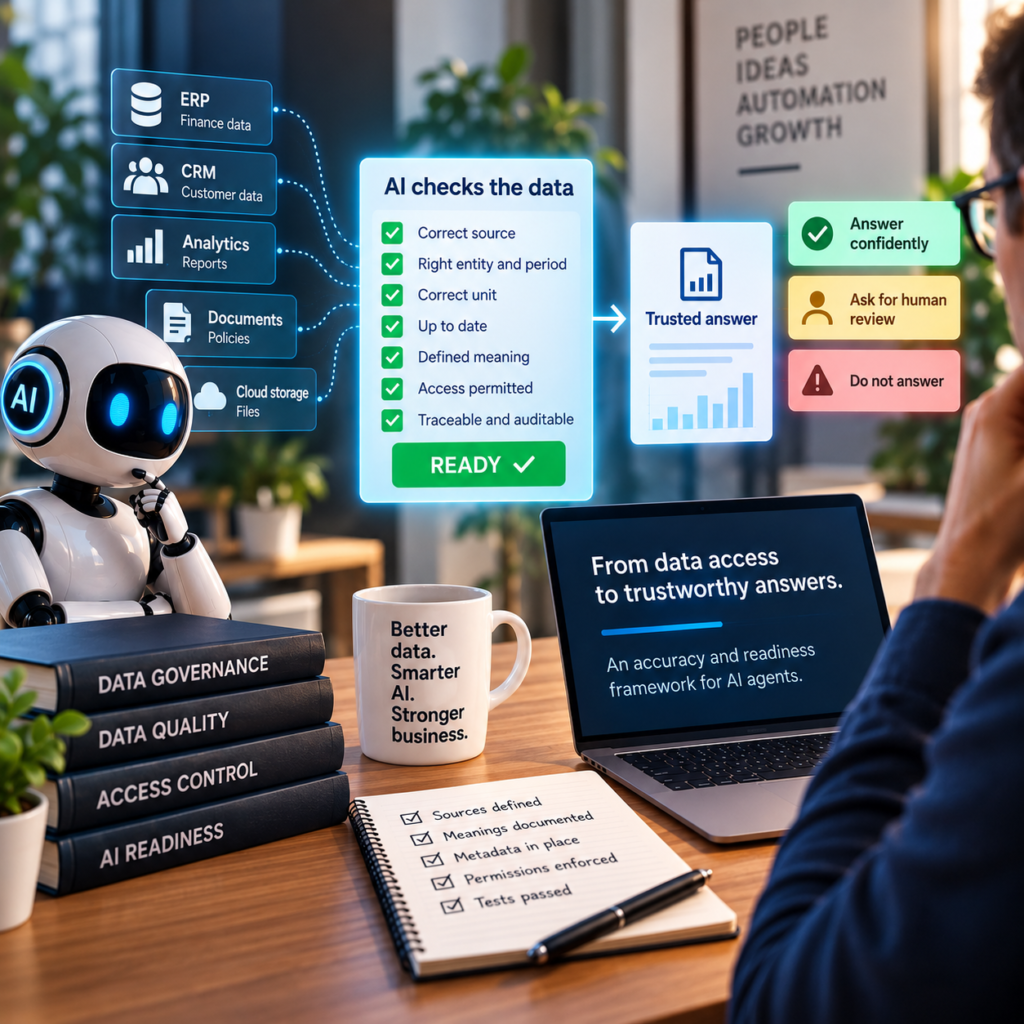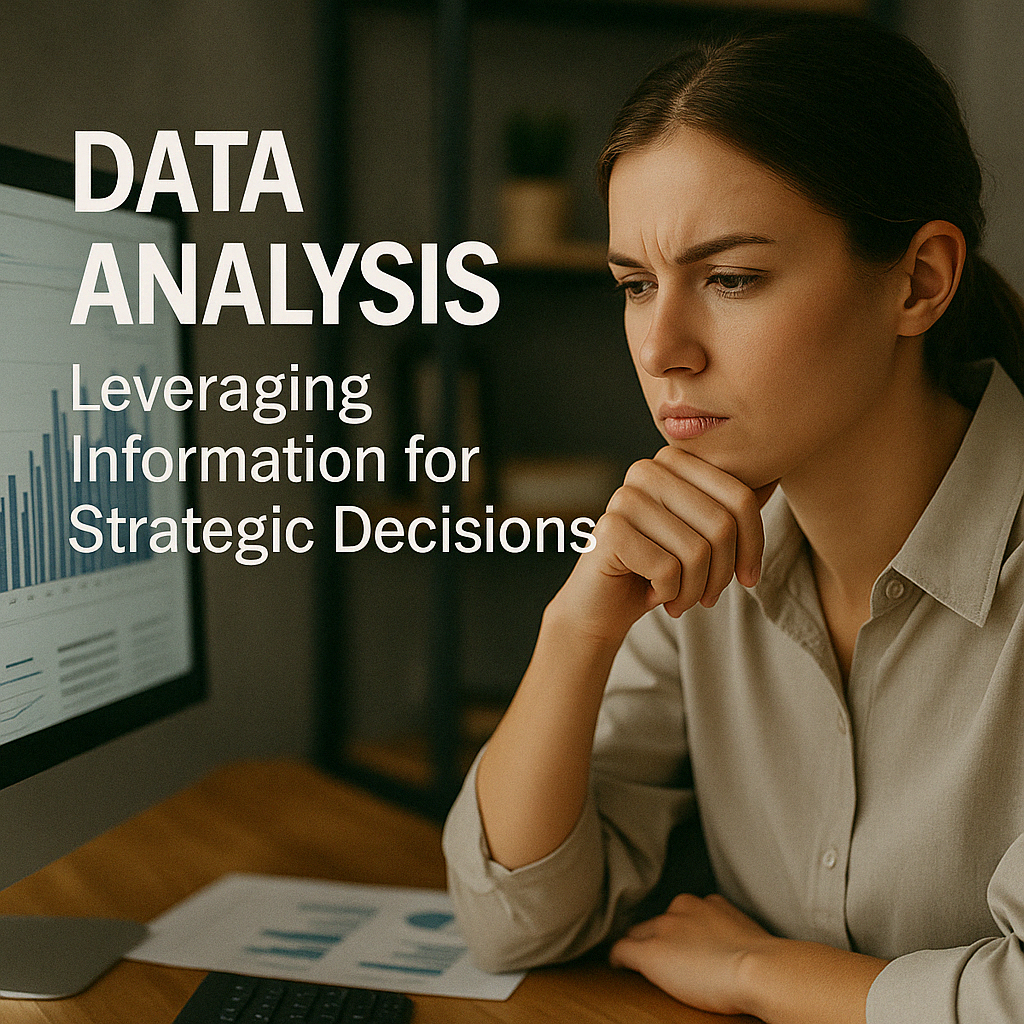
Entrepreneurs and small business owners navigate a challenging landscape where every decision significantly impacts growth and sustainability. In today’s digital era, the ability to process and interpret data is no longer optional—it’s essential. This article delves into the powerful connection between data and strategy, demonstrating how advanced data analysis techniques empower businesses to secure a competitive advantage.
Harnessing Data for Unprecedented Business Growth
Data is more than a mere byproduct of transactions; it’s a reservoir of actionable insights. With digital tools and analytics platforms now more accessible than ever, you can unlock hidden patterns, forecast market trends, and understand customer behavior in depth. Leveraging data for comprehensive business insights not only highlights opportunities but also minimizes risks.
For many small business owners, the challenge lies in converting raw numbers into clear, actionable strategies. Whether it involves identifying target demographics, gauging market performance, or refining your product offerings, every data point offers a chance to make better-informed decisions. Today’s business environment thrives on objective, evidence-based decision making.
One of the key benefits of embracing data is its ability to demystify market fluctuations. By combining traditional business wisdom with empirical data, leaders can develop strategies that effectively manage uncertainty. This integration transforms instinctive judgments into precise, data-driven decision making in strategic planning.
Advanced Data Analysis Techniques for Strategic Decisions
As the business ecosystem evolves, so do the methods used to analyze information. Advanced data analysis techniques are emerging as a cornerstone for strategic decision making. These innovative approaches convert fragmented data into cohesive insights, transforming raw numbers into compelling narratives that enhance strategic planning and operational efficiency.
Modern statistical models, machine learning algorithms, and artificial intelligence offer small business owners tools that go far beyond basic reporting. Predictive analytics can anticipate market shifts, while clustering techniques precisely segment customer profiles. This proactive stance enables companies to create strategies that are both agile and forward-thinking.
Integrating these advanced methods requires an investment in technology and training, but the benefits are substantial. Consider partnering with data analysis experts or utilizing user-friendly analytics platforms. Resources from trusted sources like Forbes highlight how businesses have successfully leveraged sophisticated data methodologies to drive growth.
Embedding Data-Driven Decision Making into Strategic Planning
Beyond day-to-day operations, data-driven decision making revolutionizes strategic planning itself. By converting every decision into an evidence-based evaluation, businesses can replace reliance on intuition with robust, quantitative insights. This approach redefines strategic goals, resource allocation, and performance measurement.
When boardrooms and strategy sessions routinely discuss metrics like customer lifetime value, conversion rates, and market segmentation, the entire organization benefits from greater clarity and direction. Data bridges the gap between visionary strategy and practical execution, ensuring that every decision is grounded in reality.
Start by establishing clear key performance indicators (KPIs) that align with your strategic objectives. Then, choose analytics tools or collaborate with industry experts such as strategic business consultants who can provide tailored insights. This method allows you to harness precise, relevant data to optimize business practices and address challenges proactively.
Future-Proofing Your Business with Innovative Data Practices
In an era marked by rapid technological advancements and market uncertainties, robust data interpretation methods are essential for sustainable success. Leveraging data for comprehensive business insights is not just a trend—it’s a strategic investment in long-term resilience and adaptability.
Innovative approaches such as real-time analytics and dynamic reporting enable businesses to respond swiftly to changing conditions. This agility helps protect profitability and uncovers new growth opportunities. By building an infrastructure that prioritizes timely, accurate data, emerging businesses can stay ahead of market shifts.
Adopting a data-centric mindset aligns all organizational departments—from marketing and finance to operations and strategy—around a common set of reliable metrics. This collaborative environment promotes transparency, empowers teams, and drives continuous innovation throughout the company.
Integrating advanced analytics into your business strategy not only demystifies complex decisions but also fosters a culture of accountability and innovation. When every team member understands the logic behind data-driven decisions, the organization transforms from surviving market pressures to proactively excelling within its sector.
Data analysis transcends its technical roots to become a strategic imperative. Entrepreneurs today face the challenge of marrying rapid technological progress with fundamental business insights. By employing advanced data analysis techniques and embedding data-driven decision making into strategic planning, businesses can forge a path to sustainable growth.
While integrating data analytics may seem intimidating initially, gradual investments in technology and training can yield substantial benefits. With powerful tools and accessible resources, even small businesses can embrace digital transformation without being overwhelmed.
Remember, data is not merely a set of numbers—it reflects the heartbeat of your business. Each dataset tells a story that, when interpreted correctly, reveals hidden opportunities and clarifies complex challenges. The fusion of intuition with data-driven insights creates a robust competitive advantage that drives long-term success.
Ultimately, weaving data into every facet of operations and strategic planning shifts the focus from reactive problem solving to proactive innovation. Each technological advancement offers a chance to redefine what your business can achieve by unlocking the power of its data.
For leaders determined to remain competitive, engaging in peer discussions, investing in ongoing training, and staying attuned to emerging data trends will fortify your business against market fluctuations. Embracing data wholeheartedly is one of the most strategic moves an entrepreneur can make.
- Implement advanced data analysis techniques to drive sustainable business growth.
- Transform raw data into actionable insights that unlock hidden opportunities.
- Integrate data-driven decision making into strategic planning for agile, informed strategies.
- Cultivate a culture of transparency and collaboration through continuous learning and advanced analytics.