Expanding your business beyond local borders opens the door to the exciting and complex world of international trade. Many successful domestic entrepreneurs ask how they can replicate their success globally. Making the transition to exporting requires thorough planning, extensive research, and the flexibility to adapt to various regulatory environments and cultural differences. This article provides actionable insights on international expansion, blending strategic planning, compliance guidance, and practical tips for success.
Understanding the Global Landscape
Diversifying your market and reaching international consumers can mitigate risks and unlock new opportunities. However, global markets vary greatly by economy, culture, and regulation. Before stepping into exporting, assess which regions will most appreciate your products. Conduct detailed research on consumer behavior, competitor strategies, and local market trends as well as regulatory requirements.
Access to reliable business tools and expert guidance can make this process easier. Numerous platforms and resources are available to guide entrepreneurs through global business expansion, helping you adapt your products, marketing strategies, and customer service to meet the cultural nuances of international customers.
Building Your International Export Strategy
Creating an effective international export strategy for small businesses involves much more than identifying target countries. It requires careful planning around logistics, market entry tactics, product adaptation, and pricing models. Begin by pinpointing target markets that share similar consumer preferences or have a growing demand for your product category. Market research reports and local trade resources offer valuable insights into the viability of each market.
Consider a phased approach by launching a pilot program in one or two countries to test the waters before expanding further. This strategy minimizes risk and provides critical insights. Attending international trade shows and networking events can help you build relationships with local distributors, partners, and government officials who can facilitate smoother market entry.
Additionally, export management software can simplify paperwork, logistical challenges, and international payment processes. Consulting with economic development agencies is another effective way to gain support and guidance as you venture into international trade.
Mastering the Legal and Regulatory Maze
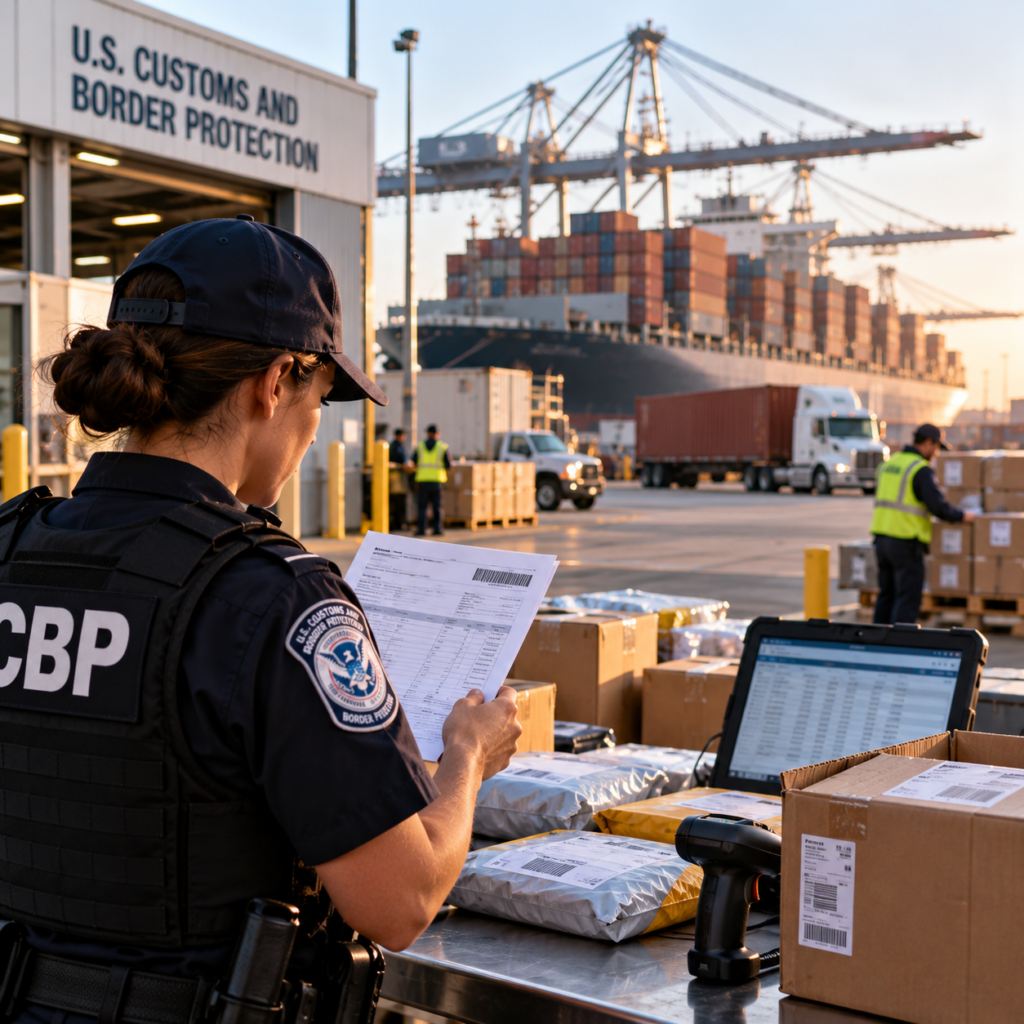
Compliance with local laws is crucial when entering international markets. Each country has its own regulations governing how products are imported and sold. Develop a robust export compliance checklist to address documentation, certifications, and quality assurance standards required in different regions.
Start by familiarizing yourself with your country’s export control regulations. Many governments maintain lists of goods that require special licenses or approvals. Complement your domestic knowledge with research into the target market’s import regulations, as products may need additional testing or certification abroad.
If the regulatory process feels overwhelming, hiring a trade compliance consultant can help you navigate the complexities and avoid pitfalls like fines or shipment delays. Resources such as the U.S. Export Administration Regulations or the European Commission’s trade policies offer comprehensive guidance. Websites like MakeBusiness also provide modern insights tailored to small businesses engaged in exporting.
Beyond regulatory compliance, consider intellectual property rights, product labeling, and packaging standards that differ from domestic requirements. Each adjustment you make enhances your product’s credibility and builds trust with international customers.
Practical Steps to Accelerate Global Business Expansion
Transitioning to international exporting requires both strategic planning and ongoing adaptation. Once you have integrated the legal, regulatory, and market components into your strategy, focus on assembling a comprehensive action plan.
Key practical steps include:
- Partner with local agents who understand market-specific cultural and business practices.
- Invest in a reliable logistics network to handle packaging, customs clearance, and timely shipping.
- Customize your marketing strategy to local languages and cultural contexts by creating localized websites, social media profiles, and promotions.
- Adopt a flexible pricing approach that considers exchange rates, local purchasing power, and competitive dynamics.
Economic and political factors may influence your exporting strategy. Maintain flexibility to adjust to any unforeseen circumstances while remaining focused on long-term objectives.
Engage with other international exporters through webinars, trade fairs, and online forums. Sharing experiences and collaborating on joint marketing campaigns or distribution channels can reveal valuable synergistic opportunities.
Stay informed on global news and evolving trade policies via trusted platforms like Forbes and Entrepreneur. Their expert analyses and case studies can provide timely insights to help you navigate the complexities of international trade.
Effective communication is key. Train your team to manage inquiries from international customers by investing in language training or hiring multilingual staff. This commitment reinforces your brand’s global presence and enhances customer experience.
Financial management is another critical pillar of global expansion. Work with experienced financial advisors to navigate currency exchanges, international transactions, and diverse tax laws to protect your bottom line.
Integrate technology and digital marketing strategies to boost your online visibility in new markets. Use SEO techniques to optimize content with relevant localized keywords and consider geo-targeted advertising campaigns. Engaging videos, infographics, and customer testimonials can simplify complex export processes and build credibility with international audiences.
Regular evaluation of your export strategy is essential. Use data-driven insights to monitor performance, collect feedback, and refine your approach. This ongoing process ensures your strategy remains agile in a dynamic global environment.
International expansion offers immense growth potential. With a strategic mindset, detailed planning, and a commitment to exceeding global standards, you can successfully tap into new markets. Navigating cultural nuances, legal requirements, and technological opportunities will transform exporting from a daunting challenge into a powerful growth strategy for your business.
Remember that transitioning from a local to an international business is a journey. It demands persistence, careful decision-making, and a willingness to embrace new challenges. By following these structured steps, you can establish a strong international presence that supports sustained long-term success on the global stage.
- Understand diverse economic and regulatory landscapes before exporting.
- Develop a comprehensive international export strategy with phased market entry.
- Maintain strict export compliance to meet varied legal requirements.
- Leverage technology, networking, and continuous evaluation for robust global expansion.