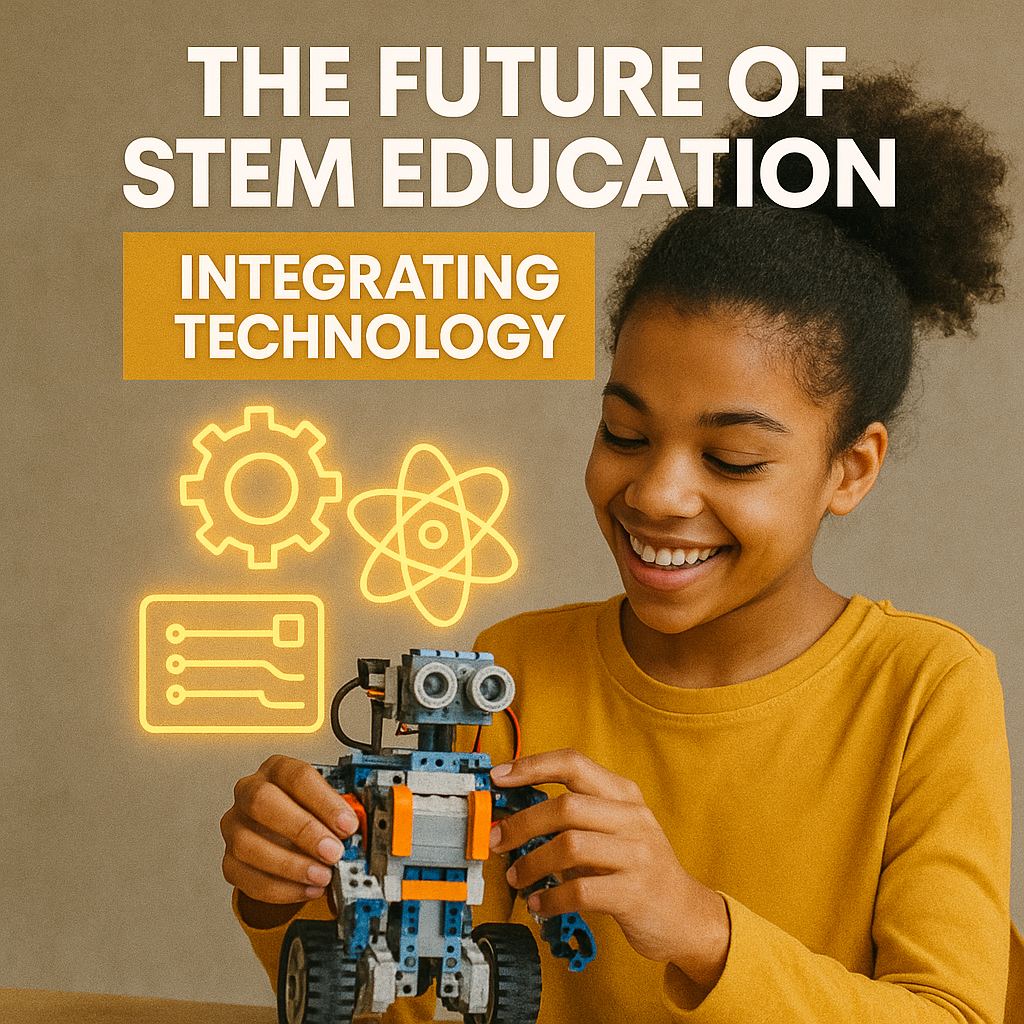
In today’s rapidly evolving technological landscape, STEM education is undergoing a significant transformation. With advanced digital tools, educators and business entrepreneurs are discovering new methods to create interactive and personalized learning experiences. Whether you are an entrepreneur investing in educational technology or a small business owner implementing these strategies, this article offers valuable insights into the future of STEM education technology integration.
The Digital Revolution in STEM Learning Environments
Over the past decade, STEM learning environments have experienced a robust digital transformation. Traditional classrooms are giving way to interactive digital platforms featuring simulations, virtual labs, and real-time analytics. This shift is not merely about convenience; it is about establishing an ecosystem where every student can explore, experiment, and excel without physical limitations. For further insights, check out Digital Transformation in STEM.
Modern learning platforms provide hands-on experiences, enabling educators to customize lessons based on real-time feedback and individual learning paces. For entrepreneurs and education-focused business owners, this digital revolution opens a wealth of innovation opportunities. By investing in technologies such as augmented reality (AR) and virtual reality (VR), companies can help build immersive and engaging educational experiences.
As digital transformation reshapes education, institutions find that integrating technology not only boosts student engagement but also improves overall learning outcomes. Real-time assessments, adaptive learning models, and collaborative projects that bridge geographical divides are now a reality.
Embracing Emerging Trends in Technology-Enhanced STEM Education
Emerging trends are revolutionizing how we prepare the next generation of innovators. One standout trend is the use of data analytics and machine learning in educational platforms. These advanced tools provide insightful analysis into student performance, identify areas for improvement, and create personalized learning pathways.
Gamification is another exciting development. By incorporating game-design elements into learning, educators can motivate students and make studying STEM subjects more enjoyable. You can read more about Emerging Trends in Technology-Enhanced STEM Education and how challenge-driven structures simplify complex topics and enhance engagement.
Additionally, cloud-based tools and virtual meeting platforms are fostering collaborative digital spaces. These technologies enable real-time project collaboration across borders, effectively creating a global classroom that promotes teamwork and innovation.
Research by Forbes indicates that both K12 and higher education sectors are reaping the benefits of these technological advancements. As digital solutions become more integrated, the focus on interactive content and peer collaboration will only intensify.
Practical Strategies for Entrepreneurs and Small Business Owners
For entrepreneurs and small business owners, embracing STEM education technology means more than adopting new software—it requires a strategic, holistic approach. Collaborate with educational institutions and technology developers to co-create scalable and effective learning solutions.
Investing in professional development is also crucial. As technology evolves, so do the skills needed to implement these solutions. Webinars, workshops, and industry conferences offer invaluable insights and networking opportunities with leading experts.
Piloting small-scale projects within your organization or community can be an effective way to test innovative educational technologies. By gathering actionable data on a limited budget, you can minimize risks and build a case for larger-scale deployment.
Exploring customizable e-learning platforms that align with your educational objectives can further enhance your initiatives. For entrepreneurs seeking reliable technology partners, innovative business solutions offer the expertise needed to build and deploy effective digital learning environments.
Integrating Digital Transformation with Educational Vision
Technology integration in STEM education is more than a modern upgrade—it signals a broader shift in learning philosophy. Educators are increasingly encouraging self-paced, inquiry-based learning, empowering students to drive their own educational journeys. This shift is essential for developing critical thinking and problem-solving skills, which are key in today’s business and technology sectors.
Entrepreneurial ventures in education are uniquely positioned to steer this transformation. By aligning business strategies with the needs of contemporary learners, companies can develop standout products and services. Whether it’s creating smart classroom solutions or integrating tech-enhanced curriculum designs, the opportunities for innovation are limitless.
The partnership between educational institutions and innovative businesses is vital for successful digital transformation. By collaboratively implementing new technologies within comprehensive educational frameworks, these efforts are paving the way for an inclusive, adaptive, and future-ready education system.
Proactive small business owners who embrace these changes not only influence the global education landscape but also unlock new revenue streams. As the demand for digital tools to support STEM subjects grows, the market is primed for creative, technology-forward solutions.
Ultimately, the evolution of STEM education reflects a commitment to lifelong learning and innovation. As technology continues to redefine the educational landscape, entrepreneurs who adapt to these changes will lead the creation of transformative and resilient learning experiences.
- Digital transformation is revolutionizing traditional STEM classrooms into dynamic learning environments.
- Emerging trends such as gamification and data analytics are enhancing student engagement and personalized learning.
- Entrepreneurs can leverage partnerships and pilot programs to adopt advanced technology in education.
- Integrating digital tools in STEM education opens new opportunities for innovative business solutions.