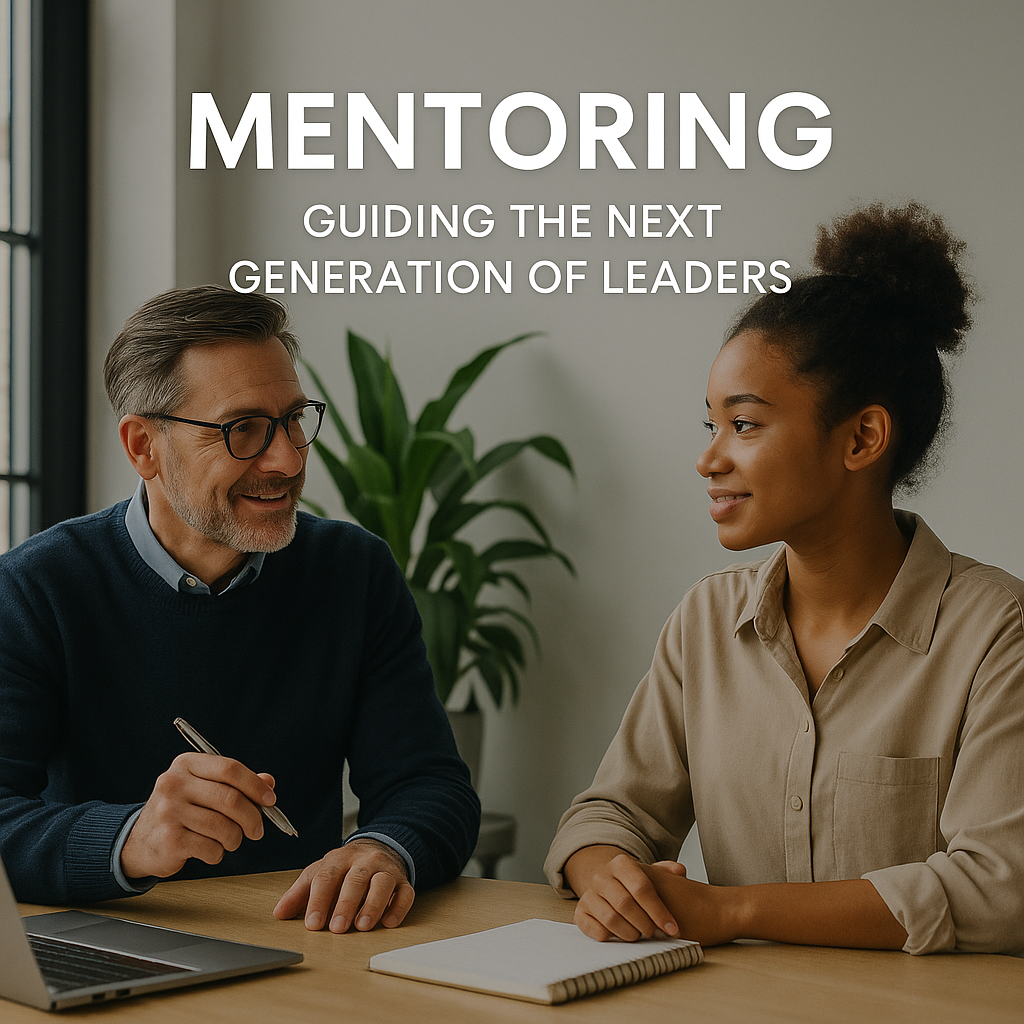
In today’s fast-paced business landscape, entrepreneurs and small business owners face challenges that go beyond routine operations. Investing in emerging talent is key to shaping the future. Mentoring stands out as a powerful tool that not only builds skills and confidence but also prepares the next generation to drive business growth.
Unlocking the Power of Mentorship
Mentorship is far more than a simple transfer of knowledge—it’s a dynamic exchange of insights, experiences, and ideas. Entrepreneurs who mentor young professionals create vibrant environments that inspire creativity and innovation. An effective mentor offers constructive feedback and encourages mentees to explore new perspectives, laying the groundwork for strategic career development.
At its essence, mentoring equips emerging leaders with the essential tools to navigate a complex marketplace. By sharing real-world lessons, mentors build resilient professionals ready to tackle challenges head-on. Furthermore, mentoring fosters long-lasting professional relationships that elevate the overall culture of any organization. For more on building strong mentorship foundations, check out Mentorship Strategies.
Building Mentoring Programs for Emerging Leaders
Establishing a robust mentoring framework is a strategic investment in your company’s future. Entrepreneurs can launch effective mentoring programs by first aligning goals with both the mentor’s expertise and the mentee’s aspirations. Recognize that every business and individual has unique needs—customized mentoring programs yield the best results.
Effective mentoring strategies set clear objectives, such as refining leadership skills, enhancing strategic thinking, or improving emotional intelligence. Structured programs often include regular check-ins, formal training sessions, and performance reviews. By keeping mentoring initiatives goal-oriented and adaptable, businesses create environments that foster creativity and continuous development.
Feedback from both mentors and mentees is essential. Regular insights help fine-tune the mentoring relationship and promote an open culture of communication. This dialogue builds trust and encourages mentees to share their goals and concerns, forming the foundation for successful guidance.
Navigating Effective Strategies for Guiding Young Professionals
When mentoring, experienced professionals must balance support with challenge. Young professionals excel when they are encouraged to step outside their comfort zones in a nurturing environment. Combining hands-on training with real-world problem-solving enables mentees to learn and grow from every experience.
Incorporate goal-setting and self-assessment in your mentoring process to empower mentees. Encouraging them to establish both short-term and long-term objectives fosters ownership of their development. Complement these initiatives with regular feedback sessions and self-reflection exercises, ensuring that every lesson—whether from success or setback—prepares them to make confident decisions under pressure.
Consider offering multidisciplinary exposure by introducing mentees to various aspects of business operations, including finance, marketing, and operations. This approach transforms mentoring from merely sharing experience into a comprehensive learning process, equipping future leaders to excel in all facets of business.
For additional insights on innovative mentoring techniques, visit renowned business platforms like Forbes, which regularly feature trends and success stories to inspire effective leadership models.
Crafting a Comprehensive Mentoring Guide for Next Generation Leaders
A robust mentoring guide for emerging leaders serves as a detailed roadmap addressing both strategic and human elements of talent growth. Start by aligning your mentoring initiatives with your company’s long-term vision to ensure mutual benefits for both mentor and mentee.
This guide should outline clear expectations for all parties involved and detail the scope of guidance provided. Including case studies and real-life examples can be invaluable, as these illustrate how experienced leaders have overcome challenges and applied innovative tactics in their roles.
Integrate the following elements into your mentoring guide:
- Clear roles and responsibilities for both mentors and mentees
- A structured timeline with milestones for progress evaluation
- Opportunities for cross-departmental collaboration
- Regular opportunities for constructive feedback and self-reflection
Remember, mentoring is an evolving process. As relationships deepen, the mentoring framework should adapt accordingly. Flexibility ensures that as mentors gain more insight into the challenges faced by mentees, they can adjust strategies to maintain continuous development.
For further resources on building strong leadership foundations, explore business growth strategies and insights on MakeBusiness.eu. This platform offers actionable tips and guidance that can further enhance your mentoring programs.
Investing in a well-structured mentoring program offers significant rewards. It not only boosts individual performance but also strengthens the organizational fabric. A strategic mentoring approach ensures that upcoming leaders are equipped with both technical expertise and emotional intelligence—qualities essential for steering companies through today’s complex market dynamics.
Though building a mentorship culture may appear challenging at first, commitment to continuous improvement transforms it into a vital part of the entrepreneurial journey. Over time, mentees evolve into mentors, creating a cycle of leadership development that benefits the entire industry. Whether you are initiating your first mentoring program or expanding an existing one, know that investing in mentoring today will yield lasting dividends tomorrow.
Ultimately, mentoring is a transformative strategy for ensuring longevity and agility in a rapidly changing business environment. By guiding young professionals with empathy and clear insights, experienced leaders empower the next generation to redefine traditional business practices. Embrace the power of mentoring and witness your organization evolve into a thriving hub of visionary leadership.
- Mentoring fosters a culture of continuous learning and adaptability.
- Successful programs require clear goals, structured feedback, and customized strategies.
- A dynamic mentoring relationship benefits both mentor and mentee, driving overall business growth.
- Investing in comprehensive mentoring guides equips emerging leaders with the skills needed for success in modern business environments.