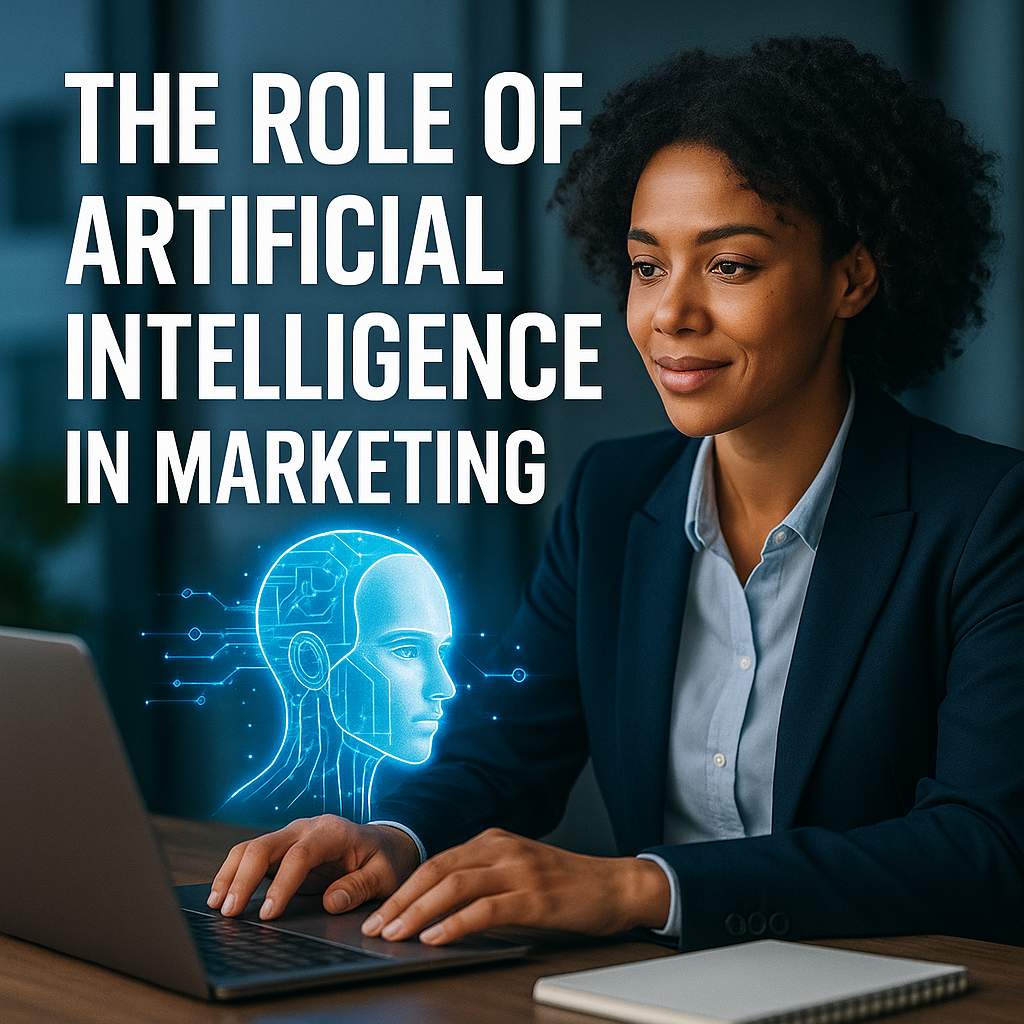
Businesses of every size are leveraging cutting-edge technology to outpace competitors. Artificial intelligence (AI) is revolutionizing marketing by driving growth, boosting customer engagement, and refining overall strategy. Today, entrepreneurs and small business owners are discovering that AI is not exclusive to large corporations—it’s an essential tool for sustainable success.
The Emergence of AI in the Marketing Landscape
Marketing has long been regarded as a blend of art and science, relying on human intuition and creative insight. With the advent of AI, this narrative is rapidly evolving. Modern AI-powered platforms analyze vast datasets in real time, uncover consumer behavioral patterns, and deliver actionable insights with unmatched precision.
This transformation is especially beneficial for startups and small businesses eager to maximize every resource. Advanced AI tools now perform tasks like email segmentation, ad targeting, and customer journey mapping. As a result, companies enjoy a clearer audience understanding and a dynamic approach to campaign management.
Adaptive algorithms are pushing the boundaries of marketing automation. Business owners are experiencing significant efficiency gains while reducing human errors. AI-driven automation not only saves time but also reallocates resources to foster creative campaign development.
Integrating Technology Seamlessly into Digital Marketing Efforts
For small businesses, every marketing decision matters. Integrating AI into digital marketing campaigns is a strategic move that yields tangible results. Rather than overhauling your entire strategy, consider a step-by-step implementation that complements existing efforts.
Begin by utilizing AI analytics to process real-time data, allowing for swift adjustments to campaigns. For example, if certain ads underperform, AI tools can instantly identify the problem areas, enabling you to refine your messaging and visuals for better audience resonance.
Many small businesses now use email marketing platforms enriched with AI algorithms that identify the optimal timing for sending communications. These smart tweaks lead to higher open rates, enhanced engagement, and increased conversions. For more insights on boosting business growth, explore valuable resources on digital marketing insights.
Additionally, AI-powered chatbots and virtual assistants are transforming customer service by providing prompt, personalized responses. This technology not only streamlines operations but also frees human employees to tackle more complex challenges.
Optimizing Marketing Strategies with AI Solutions
Artificial intelligence is a game-changer for optimizing marketing strategies. Its capability to analyze consumer behavior data has redefined personalized marketing. Instead of relying on broad approaches, small businesses can now target prospects with pinpoint accuracy.
AI-driven segmentation strategies identify micro-segments within larger audiences, allowing every customer interaction to be tailored to specific preferences. This personalized strategy enhances customer engagement and fosters stronger brand loyalty, ensuring that every marketing dollar is well spent.
Moreover, AI-powered tools forecast future trends by analyzing historical and real-time data. These predictive insights help determine the most effective content, channels, and offers, giving small businesses a competitive edge. As highlighted by experts on Forbes, companies investing in AI analytics are better equipped to navigate market fluctuations and achieve agile growth.
Real-time data processing allows for swift adjustments—whether tweaking ad spend or modifying social media content—ensuring marketing strategies remain dynamic and responsive. This proactive approach is crucial in an ever-evolving digital landscape.
Empowering Entrepreneurs with Actionable Insights
One of the most powerful benefits of AI in marketing is the creation of actionable insights. Entrepreneurs no longer need to rely on guesswork when understanding consumer behavior. Instead, data-driven insights empower business owners to make strategic decisions that directly impact their bottom line.
AI tools consolidate data from various channels—social media, email campaigns, website visits, and more—providing a comprehensive view of customer interactions. This centralized approach enables the development of full-funnel strategies that align with overall business goals, merging creativity with data science to drive conversions.
Advanced AI analytics also improve forecasting and budgeting. By identifying the most successful elements of a campaign, entrepreneurs can better allocate resources and invest confidently in future projects. Tailored strategies based on precise data help businesses stay ahead of market trends and competitors.
For many innovators, the ability to quickly respond to market signals can differentiate a thriving business from one that falls behind. Embracing AI not only helps capture new customer segments but also optimizes returns on investment, making it an indispensable part of modern digital marketing.
In summary, the strategic implementation of AI in marketing is about creating lasting value. It transforms data into actionable insights, boosts efficiency, and drives sales. For modern entrepreneurs and small business owners, staying current with AI trends and integrating these innovations into daily operations is crucial for maintaining a competitive edge. By embracing AI thoughtfully, businesses can set new benchmarks for success and innovation.
- Real-time AI analytics empower informed and proactive marketing decisions.
- AI enhances personalized and targeted marketing campaigns for better ROI.
- Seamless integration of AI in digital marketing leads to agile strategy adjustments.
- Data-driven insights from AI provide a competitive advantage for entrepreneurs.


