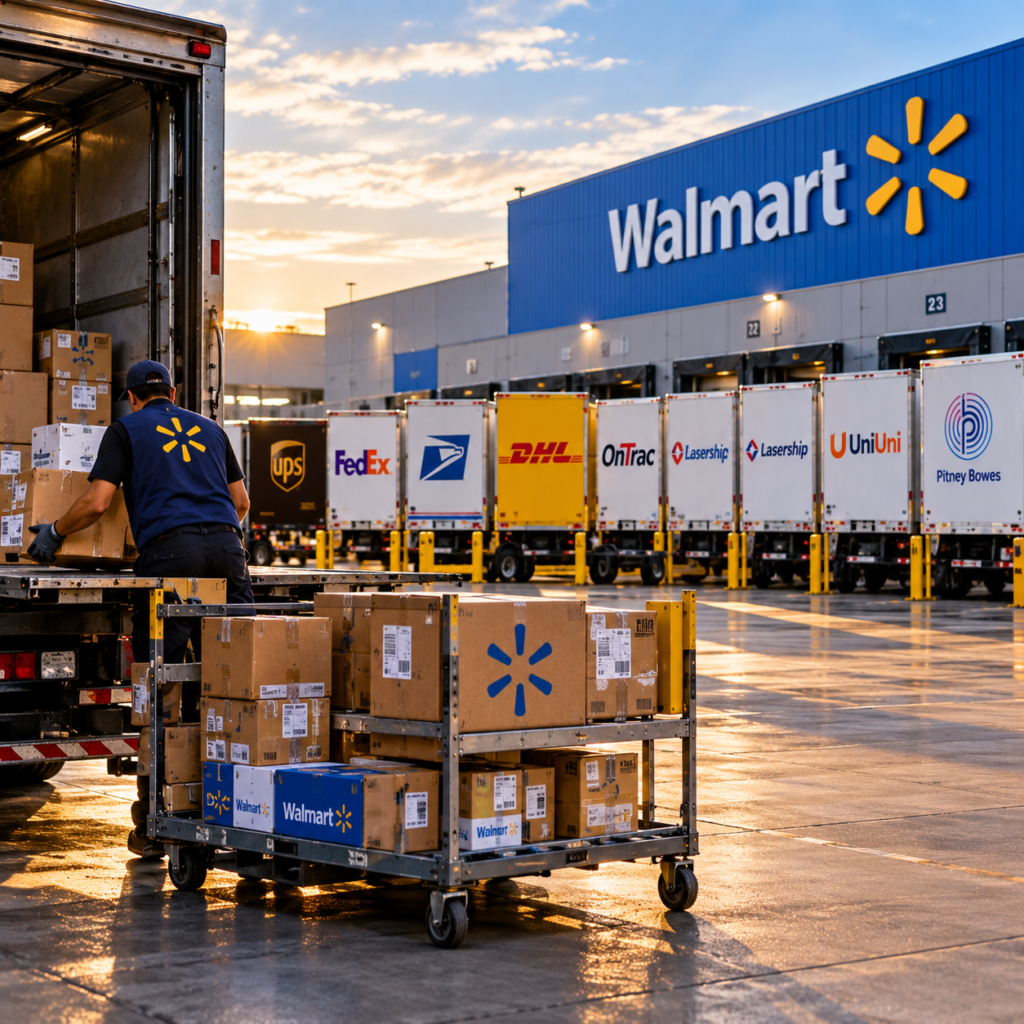
Effective supply chain management is the backbone of any thriving business, especially for entrepreneurs and small business owners eager to scale in today’s competitive market. By tracking key performance indicators (KPIs), you not only monitor supply chain efficiency but also identify trends, address bottlenecks, and make informed strategic decisions.
Understanding the Role of KPIs in Your Supply Chain
KPIs serve as the heartbeat of your supply chain strategy. Smaller businesses often face challenges ranging from inventory management to shipping delays, each potentially cutting into profit margins. By setting clear, measurable performance indicators, you pinpoint areas for improvement and ensure optimal allocation of resources. Avoid common pitfalls by learning from The Biggest Mistakes New Entrepreneurs Make.
Common KPIs such as inventory turnover rates, order accuracy, shipping times, and cost per unit reveal whether your supply chain is operating at its best. Monitoring these metrics requires attention to both internal processes and external influences like market demand or global supply disruptions. For example, a drop in order accuracy may indicate miscommunication with suppliers or issues between production and warehousing teams.
Many small business owners prefer to start with a manageable set of KPIs that focus on critical supply chain functions. Over time, as you gain insight into the data and trends, you can expand your metrics to cover additional aspects of your operations.
Identifying Meaningful Indicators for Your Business
Not every KPI is a perfect fit for every business. Consider your unique challenges and objectives when selecting the right indicators for your supply chain. For instance, an entrepreneur launching an ecommerce store might prioritize metrics like “on-time deliveries” and “order fulfillment accuracy,” while a manufacturing firm could focus on production lead times and system downtime.
Align your KPIs with your broader business strategy by correlating supply chain performance with customer satisfaction. For a deeper dive into aligning operational metrics with your overall strategic blueprint, check out How to Write a Business Plan That Actually Works. Consistently late deliveries can lead to negative customer reviews and lower repeat business, demonstrating how one supply chain metric can affect your entire business ecosystem.
Regularly reviewing your KPIs is essential in today’s dynamic market. Frequent evaluations encourage a culture of continuous improvement, allowing you to adapt quickly if something isn’t working. This proactive approach is especially valuable for small business owners seeking to maximize limited resources without sacrificing quality.
Practical Steps to Implement and Monitor Supply Chain KPIs
Once you have selected the most relevant KPIs, it’s time to integrate them into your daily operations. Start by using simple digital tools or spreadsheets to track progress over time. As your business grows, consider investing in supply chain management software or analytics dashboards that automate data collection and provide real-time insights.
Transparency is key during implementation. Ensure that every team member involved—from procurement to delivery—understands the significance of these KPIs and how they impact overall performance. A transparent process promotes accountability and fosters collaboration. For example, regular team meetings might reveal that a specific vendor requires additional oversight or a backup plan to mitigate logistics delays.
Sharing KPI insights with your team not only highlights current performance trends but also cultivates an environment where continuous improvement is rewarded. Display metrics on a shared dashboard or distribute a weekly email roundup to motivate everyone to strive for higher efficiency and quality.
For further guidance on optimizing business processes, explore valuable insights from reliable business platforms dedicated to entrepreneurs. These resources offer actionable strategies to refine your supply chain management.
Overcoming Common Supply Chain Challenges with the Right Metrics
Every business encounters supply chain hurdles such as unexpected delays, inventory shortages, or unforeseen costs. Diligent KPI tracking helps identify the root causes of these issues. Rather than viewing metrics as mere numbers, successful entrepreneurs use them as insights to drive proactive decision-making.
For instance, a sudden increase in order processing time might indicate a logistical bottleneck or a manpower shortage during peak hours. Likewise, rising cost per unit can signal production inefficiencies or fluctuations in supply prices. By analyzing the data closely, you can pinpoint both the symptoms and the underlying causes, whether that involves optimizing supplier relationships or renegotiating contracts.
It’s also crucial to consider external factors affecting your metrics. Global events, seasonal shifts, or natural disasters can significantly impact your supply chain. Monitoring trends over extended periods, rather than relying solely on snapshots, enables you to plan for these variables effectively. Drawing inspiration from industry stories, like those featured in Forbes, can provide fresh perspectives on leveraging data analytics to anticipate and mitigate risks.
Regular KPI evaluations empower your business with the agility needed to adapt to shifting market conditions. Dedicating time to review metrics, analyze emerging trends, and forecast potential challenges creates a buffer against unexpected disruptions.
Effective KPI tracking is not only about preventing issues—it’s also about seizing opportunities. Close monitoring allows your business to pivot quickly in response to a surge in demand or a chance to diversify your supplier base. Cultivating a responsive, data-driven culture can set you apart in a competitive market.
Embracing data and analytics in your supply chain practice isn’t reserved for large enterprises. Even small businesses can harness the power of simple yet insightful metrics. By consistently defining, measuring, and acting on your KPIs, you build a robust foundation for sustainable growth and align every process toward shared business objectives.
- Focus on a few key KPIs that directly support your business strategy.
- Utilize technology and transparent processes to effectively monitor supply chain performance.
- Regularly review and adjust your KPIs to address evolving business challenges.
- Leverage KPI insights for proactive and agile decision-making across your company.