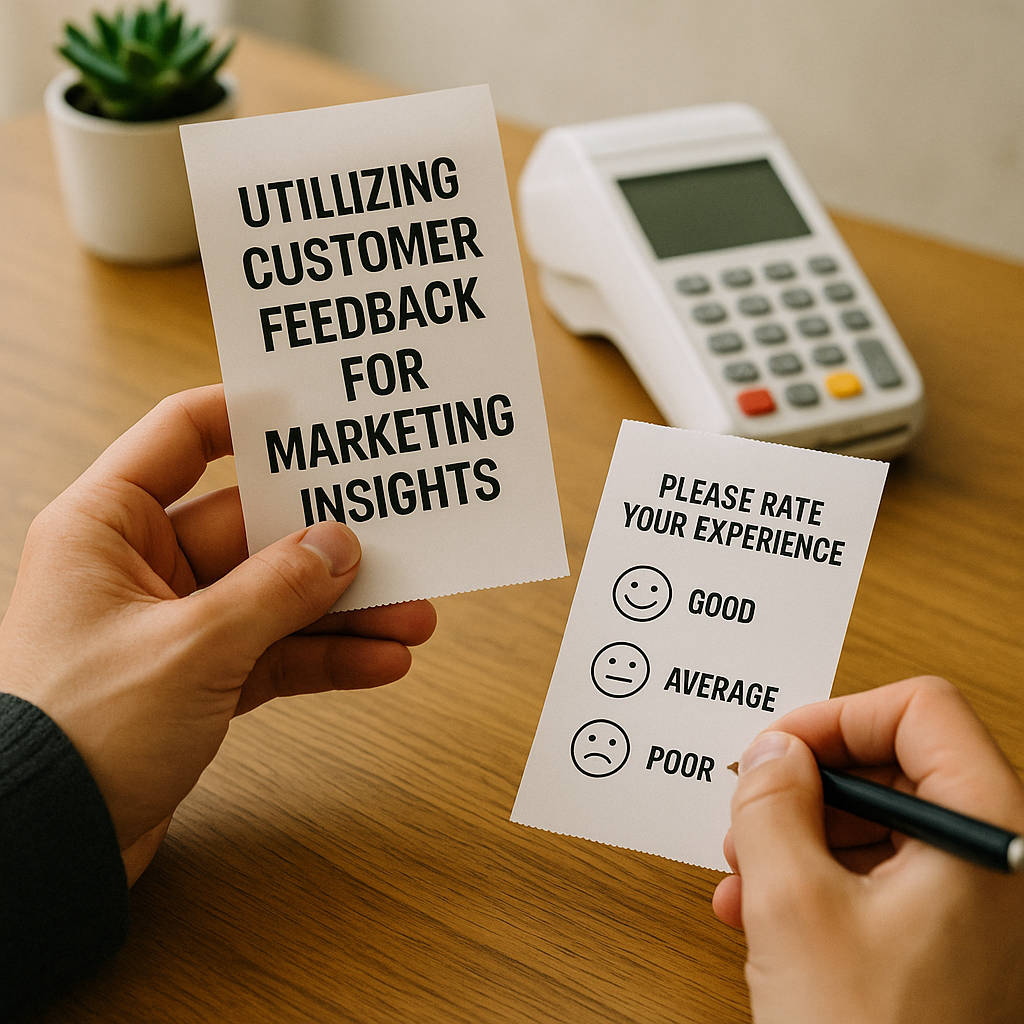
Collecting and analyzing customer feedback has become an essential part of any successful marketing strategy. Entrepreneurs and small business owners can tap into a wealth of insights by listening closely to their customers. In today’s connected world, feedback is more than just praise or criticism—it’s actionable data that drives business growth and innovation. Whether you’re refining a product, improving service quality, or reworking your digital marketing approach, leveraging customer feedback bridges the gap between your business ideas and customer expectations.
Understanding the Value of Customer Feedback
Customer feedback provides a direct line to your target audience. Unlike traditional market research from surveys or focus groups, customer opinions carry an authenticity that’s hard to replicate. Real customer experiences reveal both strengths and areas for improvement, helping you boost customer satisfaction and sharpen your competitive edge.
Many entrepreneurs overlook the power of direct customer interactions. By paying attention to recurring comments—whether about product quality or service efficiency—you can pinpoint key areas for improvement. A small change suggested by multiple customers can lead to significant positive shifts in your brand perception. This strategy is especially effective when planning website content or social media campaigns, ensuring your messaging aligns with what your audience truly values.
Gathering and Analyzing Data Effectively
The impact of customer feedback on your marketing strategy depends on both the quality and quantity of the data collected. There are various methods to gather feedback—from online surveys and social media interactions to email responses and in-person reviews. Digital channels, in particular, offer real-time insights. Tools like Google Analytics and dedicated feedback platforms help collect and analyze data to better understand customer behavior.
Once you have the data, the next step is thorough analysis. Depending on your business, you can manually analyze feedback or use specialized software to categorize responses. Organize feedback into themes such as product quality, customer service, pricing, or user experience. Identifying recurring themes allows you to map out areas for improvement. Combining qualitative insights with quantitative data creates a robust foundation for data-driven marketing decisions.
Supplement your analysis by benchmarking against industry standards and expert insights. For example, Forbes recently highlighted how companies that embrace customer feedback achieve higher retention rates. These external perspectives can validate your findings and help you integrate best practices into your strategy.
Implementing Marketing Insights from Feedback
After gathering and analyzing customer feedback, the next step is to transform these insights into actionable marketing strategies. Start by aligning the feedback with your existing marketing channels. Does the feedback indicate issues with your website layout? Are your email campaigns missing the mark or do your product descriptions need refreshing? Specific insights like these help you allocate resources to enhancements that truly matter to your customers.
Successful marketing strategies often focus on personalization, transparency, and consistent engagement. Personalize your content by addressing the unique needs of different customer segments. For example, if a segment values eco-friendly practices, emphasize sustainability in your messaging. Transparency builds trust; sharing how customer feedback is driving improvements encourages loyalty. Consistent engagement shows your customers that their opinions matter, fostering a strong, interactive community. These insights can also be used to validate a business idea before committing significant resources.
Incorporate customer feedback into your overall brand narrative and marketing content. Authentic customer stories not only resonate with your audience but also boost your search engine rankings. Using natural keywords like “customer feedback” and “marketing insights” enhances your site’s SEO. Our business growth strategies section offers valuable insights that can further refine your marketing approach.
Enhancing Business Strategy through Continuous Feedback
Thriving in today’s dynamic market requires a business strategy that adapts based on continuous customer feedback. Rather than treating feedback as a one-time task, view it as a constant loop that drives ongoing improvements. Integrating feedback into your planning process ensures your strategy evolves with changing market conditions.
An agile business can adjust to new challenges, and customer feedback is key to maintaining that flexibility. Feedback-driven strategies enable real-time monitoring of your products and services. As customer needs evolve, you can promptly update your marketing tactics and operations. This proactive approach not only increases customer satisfaction but also strengthens your growth strategy.
Consider practical actions such as offering rewards for detailed feedback or regularly inviting suggestions through social media and in-store experiences. Even simple gestures like thank-you notes or discount offers can encourage open communication and build stronger customer relationships. In many cases, customer ideas can spark innovative product features or entirely new service lines.
Measuring the impact of new strategies is crucial. Set clear performance indicators and track improvements over time to ensure that changes are effectively driving business results. This data-centric approach not only refines your marketing insights but also enhances your overall business strategy.
Customer feedback is a dynamic resource that fuels every aspect of your business—from marketing and product development to customer service. With systematic feedback collection, detailed analysis, and agile implementation, even negative feedback can become a catalyst for innovation and growth. Every customer interaction contributes a vital piece to the puzzle of achieving lasting business success.
When your marketing initiatives are built on genuine customer experiences, your brand resonates more deeply with potential clients. This creates a cycle of loyalty and positive word-of-mouth referrals. As seen in How to Find Your First Paying Customers Without Ads, organic growth is driven by authenticity. Embrace customer feedback as a valuable asset and foster open, ongoing communication with your audience. Doing so not only enhances your brand reputation but also provides the competitive edge needed in today’s evolving market.
- Collect customer feedback through various channels to uncover actionable insights.
- Analyze and categorize feedback to align with your business goals.
- Implement insights into marketing strategies for improved personalization and transparency.
- Establish a continuous feedback loop to maintain business agility and customer satisfaction.