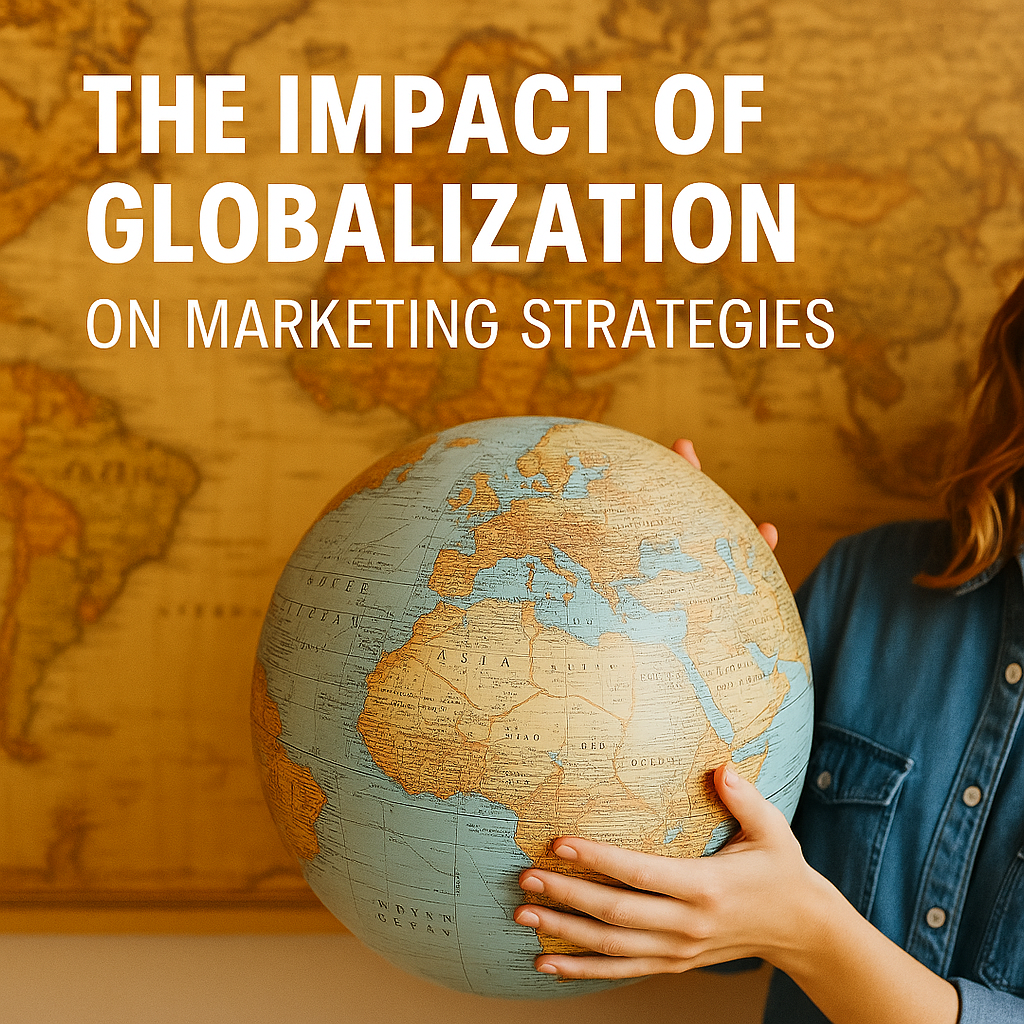
In recent decades, businesses of all sizes have experienced transformational shifts in their marketing strategies. Globalization has expanded market boundaries well beyond local or regional limits, offering unprecedented opportunities for growth. For entrepreneurs and small business owners, understanding the impact of globalization on integrated marketing strategies is essential for success. The proliferation of digital technologies and constant connectivity has enabled businesses to reinvent their approaches in ways that were unimaginable just a few years ago.
Embracing Global Perspectives in Marketing
Globalization has significantly widened the marketing playing field. Small businesses that once focused on local customers now have the ability to reach international audiences. This expansion emphasizes the need to rethink and adapt integrated marketing strategies. When targeting diverse cultures, even a familiar local message may require adjustments to resonate effectively. To capture global markets, businesses must consider language differences, cultural nuances, and the dynamics of local markets.
An effective global marketing strategy goes far beyond simple translation. It involves a complete localization of the business message, ensuring that campaigns resonate with culturally diverse audiences. This approach not only communicates with a global audience but also builds lasting trust and loyalty—critical components in today’s globalized economy.
The Blend of Digital and Traditional Tactics
While digital platforms like social media, mobile advertising, and data analytics have revolutionized marketing, traditional channels remain influential. The impact of globalization is evident in how businesses blend digital innovation with traditional methods. Many companies now incorporate dynamic digital marketing tools alongside proven strategies like print media, face-to-face interactions, and event marketing.
For small business owners, this hybrid approach maximizes outreach. Customized digital campaigns provide measurable, immediate feedback, while traditional methods offer reliability and local connection. Strategic event sponsorships and community involvement, for example, create deeper personal connections with consumers. Merging digital and classic techniques creates a synergistic effect that can drive sustainable long-term success. You can read more about integrated marketing strategies to see how businesses are merging these approaches.
Numerous resources, including insights from Forbes, provide valuable guidance on how to keep pace with global marketing trends. Leveraging these insights alongside localized tactics can help create campaigns that are both relevant and impactful. Moreover, tracking digital metrics ensures that businesses can fine-tune their strategies and maximize engagement.
Cultivating a Global-Ready Mindset
Competing on a global scale demands a mindset focused on continuous learning and agile adaptation. Globalization requires businesses to regularly update their marketing strategies in line with evolving global trends. A key challenge is maintaining the core essence of the business message while tailoring it to meet diverse market needs. Incorporating feedback from international customers and adapting quickly to market shifts is crucial for effective campaign development.
This flexible, improvement-oriented mindset has become a cornerstone of modern marketing. For example, data analytics can reveal that while the central message is strong, its presentation might need regional adjustments. Such responsiveness not only enhances marketing effectiveness but also fosters a brand image that is adaptive and customer-centric.
Business owners seeking comprehensive growth strategies can explore trusted platforms like Make Business, which offer in-depth insights on digital transformation and market expansion.
Navigating Challenges and Seizing Opportunities
No discussion of globalization is complete without recognizing the potential challenges. Differences in consumer behavior, local regulations, cultural preferences, and economic conditions can add complexity to global marketing. However, these challenges also present unique opportunities for innovation and market differentiation. Businesses that design agile strategies to swiftly adapt and realign are well-positioned to succeed.
Consumer engagement has also evolved. Today’s consumers demand authenticity and personalized communication. Businesses that use data-driven strategies—incorporating insights from both global trends and local consumption patterns—are more likely to capture their audience’s attention. Coupled with creative storytelling, digital campaigns can evoke powerful emotions that transform leads into loyal customers.
Integration is key. Digital platforms offer precise global targeting and interactive capabilities, while traditional channels build trust and community presence. When these elements are woven together, they form a robust marketing framework that successfully navigates the complexities of cross-border operations.
Esteemed publications like Entrepreneur have showcased numerous case studies of small businesses thriving by leveraging global marketing techniques. These success stories highlight how blending digital innovation and traditional marketing, combined with a flexible mindset, can pave the way for significant business growth.
For entrepreneurs and small business owners, the future looks promising if they modernize their marketing strategies. The dynamic global market rewards creativity, calculated risk-taking, and a willingness to adapt. By embracing a forward-thinking approach, businesses can transform globalization challenges into substantial competitive advantages.
Investing in the understanding and implementation of globalization’s impact on integrated marketing strategies does not mean abandoning conventional wisdom. Instead, it involves evolving traditional methods with cutting-edge technological sophistication. Striking the right balance between digital expertise and personal interaction creates value that extends far beyond simple transactions.
Even against larger, established competitors, small business owners can level the playing field with a carefully crafted, integrated strategy that adapts to global markets. Effective marketing strategies spotlight unique value propositions and innovative ideas that resonate across cultural and geographic boundaries, offering every business a chance to thrive internationally.
Ultimately, the debate between digital and traditional marketing diminishes when both are seamlessly integrated into a comprehensive strategy. With smart investments in technology and a focus on human connection, businesses can effectively engage diverse audiences. This balanced approach is not just recommended—it is essential in today’s ever-evolving consumer landscape.
By continually refining their messaging and leveraging analytics alongside customer feedback, business owners can maximize even modest marketing budgets on a global scale. Embracing globalization’s challenges and opportunities through a flexible, consumer-centric approach is the pathway to lasting success.
- Globalization expands market reach and necessitates localized, integrated marketing strategies.
- Successful marketing requires a blend of advanced digital techniques and proven traditional methods.
- Adapting strategies for global markets demands cultural sensitivity and data-driven insights.
- A proactive, flexible mindset is essential for navigating the challenges and opportunities of a global economy.