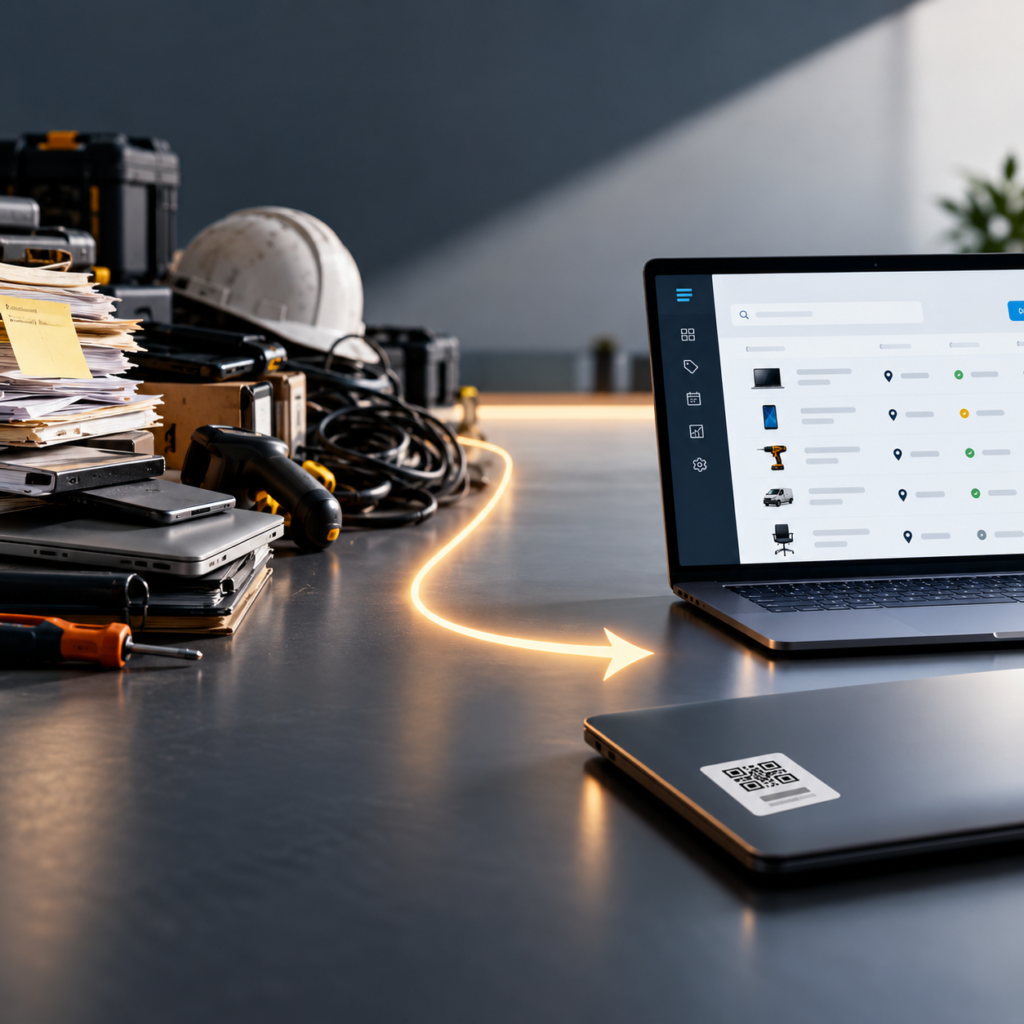
Japan is renowned for its groundbreaking innovations and technological expertise. In recent years, the blend of advanced technology with emerging business opportunities has created a vibrant landscape for entrepreneurs and small business owners worldwide. With a strong commitment to research and development, Japan fuels both technological progress and new business models, providing cutting-edge solutions for those ready to innovate.
An Ecosystem Fueled by Innovation
Japanese companies and startups have long embraced innovation. From robotics and artificial intelligence to revolutionary renewable energy solutions, Japan consistently introduces products and services that transform industries. Business owners around the globe can leverage these technologies or build partnerships to benefit from Japan’s inventive spirit.
For many entrepreneurs, adopting new technology is not just about staying current—it’s a strategic move to gain a competitive advantage. Japan’s methodical approach ensures that innovations are both advanced and reliable, earning its products a reputation for quality that inspires trust among international investors and business partners.
Driving Digital Transformation
The digital revolution is redefining industries worldwide, and Japan is at the forefront of this change. The nation’s progressive shift to a digital economy has opened new avenues for small business owners and entrepreneurs to harness technology for growth and efficiency. Japanese firms are integrating digital strategies that include big data, cloud computing, and the Internet of Things (IoT).
This transformation offers fertile ground for innovation. Small businesses can now use advanced analytics to understand customer behavior, streamline supply chains, and boost marketing efforts. The result is improved operational efficiency and the ability to offer personalized customer experiences.
Furthermore, cross-border cooperation in technology and knowledge sharing is strengthening. Websites such as Global Business Insights showcase the latest trends and success stories from Japan, providing practical examples of how advanced technologies can be integrated into business strategies.
Navigating Economic Trends and Strategic Partnerships
Keeping up with economic trends is essential in today’s global market. Japan’s economic strategy masterfully blends centuries-old traditions with innovative business practices, creating an environment where both established firms and startups can thrive.
One emerging trend is the integration of sustainable practices within high-tech industries. Japanese companies are pioneers in developing eco-friendly manufacturing processes, offering valuable insights for entrepreneurs aiming to launch environmentally conscious ventures.
Strategic partnerships further enhance opportunities for growth. Increasing collaborations between international businesses and Japanese firms provide access to unique technological advantages and innovative models. For example, entrepreneurs in renewable energy can utilize Japan’s cutting-edge solar panel technology to develop cost-effective, sustainable solutions in new markets. These partnerships expand market reach and help distribute the risks associated with adopting new technologies.
Opportunities in Robotics and Artificial Intelligence
Robotics is one of the most exciting areas of Japan’s technological landscape. Advancements in robotics are revolutionizing industries such as manufacturing, healthcare, and automation by improving efficiency, reducing labor costs, and enhancing precision. This offers small business owners unprecedented opportunities for scalability and quality control.
Artificial Intelligence (AI) is also reshaping industries. Japanese companies are leading innovative AI research, developing sophisticated algorithms and automation processes for predictive maintenance, resource management, and enhanced customer engagement. Entrepreneurs who integrate AI into their operations can create dynamic business models that adapt swiftly to market changes. For more insights on leveraging AI for automation, read Is AI Replacing Entrepreneurs The Future of Automated Businesses.
Insights from Global Thought Leaders
Global publications like Forbes have highlighted Japan’s dual commitment to technological and business innovation. Analysts point to Japan’s unique combination of advanced technology and entrepreneurial drive as a blueprint for success. For business owners looking to innovate, these insights provide a broader perspective on international market trends.
The advice from global thought leaders reinforces that success lies in merging advanced technology with strategic business planning. This aligns with insights found in How to Write a Business Plan That Actually Works. Whether it’s leveraging robotics for precision production or using data analytics to enhance operations, the future of business depends on digital transformation and continuous innovation. Entrepreneurs who align with these trends can achieve sustained growth and improve their competitive edge in the global market.
Japan’s rich technological landscape is an invaluable resource. With robust infrastructure, forward-thinking companies, and proactive government policies that promote innovation, Japan offers an ideal environment for entrepreneurial ventures. The integration of technology with smart business practices not only pushes the boundaries of what’s possible but also serves as an inspiration for small business owners navigating modern markets.
For those eager to scale their operations, Japan’s approach provides critical insights into merging high-tech advancements with strategic business planning. By integrating these technologies, small business owners can spark local innovation and drive significant growth.
In today’s fast-paced economic environment, Japan’s experience underscores the importance of agility, informed decision-making, and readiness for change. Entrepreneurs who embrace these lessons position themselves to tackle future challenges head-on.
This seamless blend of technology and business strategy not only nurtures domestic innovation but also sets global benchmarks. As more entrepreneurs worldwide adopt these practices, the line between technological advancements and business success continues to blur, opening exciting new prospects for the future of commerce.
- Advanced Japanese technologies enhance everyday business practices.
- Digital transformation drives operational efficiency and customer engagement.
- Strategic partnerships foster growth and innovation across markets.
- Integrating traditional business models with modern technology creates competitive advantages.