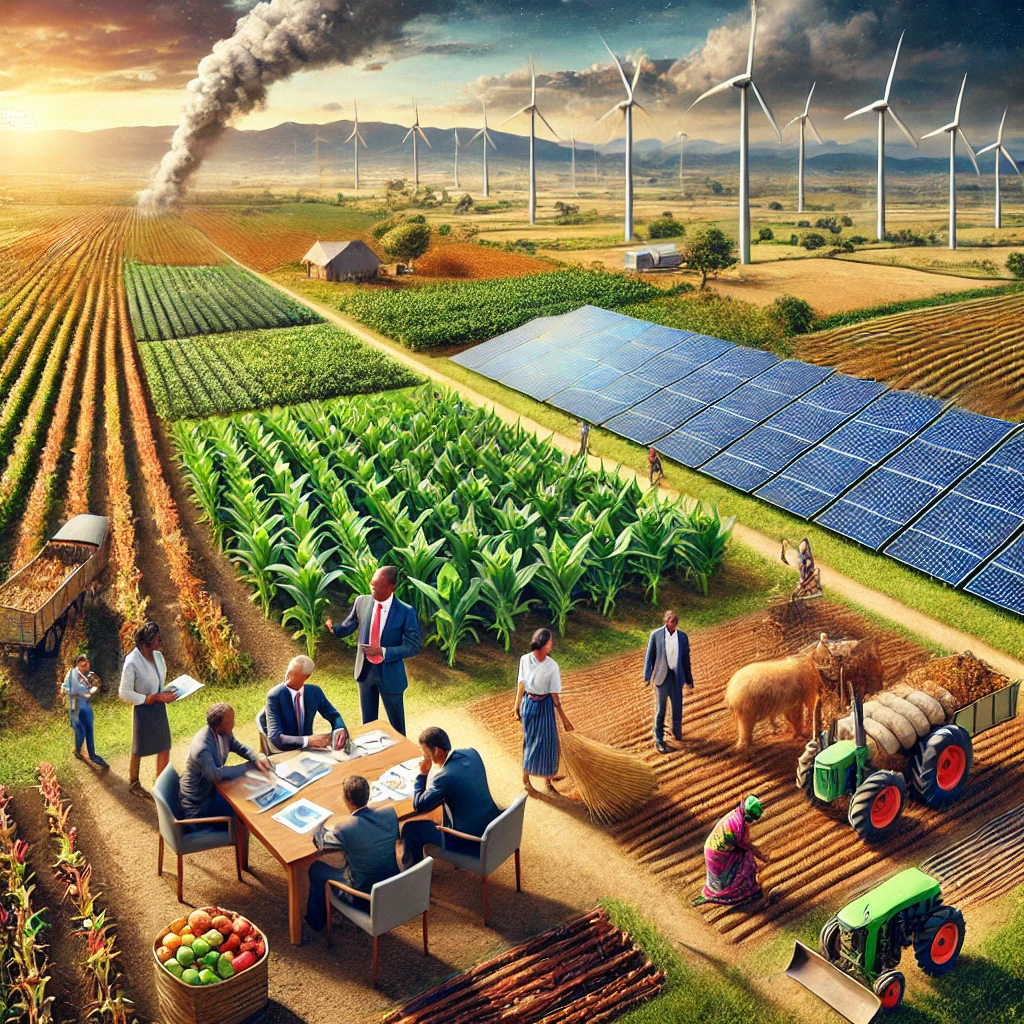
Located in southeastern Africa, Malawi is rapidly transforming its economic landscape. Traditional farming now coexists with an influx of renewable energy initiatives, creating abundant opportunities for entrepreneurs and small business owners. With a dual focus on agriculture and renewable energy, Malawi is emerging as a hotspot for investors seeking sustainable and innovative ventures.
Driving Growth Through Innovative Investment Opportunities
Historically reliant on agriculture and subsistence farming, Malawi is embracing modern strategies that integrate improved agricultural techniques with renewable energy production. Rising global awareness of climate change is inspiring investments that are both profitable and eco-friendly. Savvy investors are increasingly attracted to investment opportunities in Malawi agriculture and renewable energy, where economic progress and environmental sustainability go hand in hand.
The rich, fertile soil combined with abundant sunlight provides an ideal environment for integrating renewable energy into farming. Solar-powered irrigation systems, for example, not only lower energy costs but also boost crop yields sustainably. With accessible renewable resources like solar and small-scale hydropower, Malawi is uniquely positioned to exploit these technologies. Government incentives and international collaborations further catalyze long-term investments.
Innovative Approaches to Farming and Energy
A key element in Malawi’s sustainable transformation is the integration of advanced farming techniques with renewable energy solutions. Farmers, energy experts, and investors are collaborating to develop systems that enhance productivity while reducing environmental impact. Modern greenhouses equipped with solar power allow for higher yields in varying weather conditions. Additionally, training programs in sustainable practices are empowering rural communities to adopt cutting-edge agricultural and energy-efficient methods. See more about advanced farming techniques in similar regions.
This comprehensive approach not only boosts agricultural productivity but also lays a solid foundation for rural development. By merging renewable energy with traditional farming, communities reduce their dependence on conventional fuels and build resilience against climate change. This synergy between technology and tradition is vital in creating a robust, community-centered economy.
Community-Led Development and Business Expansion
Entrepreneurs are finding exciting prospects in Malawi rural development through integrated agriculture and renewable energy technologies. This innovative fusion is sparking economic growth and stimulating advancements in sectors once constrained by conventional practices. Local workforce initiatives and specialized training in sustainable agriculture and renewable energy maintenance are cultivating a skilled labor pool ready for new business ventures.
Emerging local cooperatives and startups are rapidly becoming key contributors to this new economy. By partnering with international investors, technology providers, and financial institutions, these enterprises are forming replicable models for sustainable growth. This self-reinforcing cycle of innovation and development is setting the stage for rural regeneration built on responsible resource management.
Entrepreneurs eager to broaden their reach can explore insights on platforms like
MakeBusiness. This resource offers practical guidance and success stories that can help navigate local regulations, secure financing, and implement pilot projects in integrated agriculture and renewable energy.
Embracing Technology for Sustainable Progress
Technological innovation is at the heart of Malawi’s transformation. From real-time monitoring of solar energy systems to precision agriculture using data analytics, advanced tools are streamlining resource management. For instance, sensors integrated into irrigation systems ensure optimal water use while minimizing energy waste. With real-time data, farmers can precisely manage planting, irrigation, and fertilizer application, driving efficiency and sustainability.
Renewable energy systems, particularly solar and wind, are being adapted for small-scale rural applications. These systems not only deliver reliable energy for modern agricultural practices but also support the operation of machinery and storage facilities. As technical know-how becomes more accessible, an increasing number of small business owners are integrating these practices into their operations, benefiting both their enterprises and the environment.
Environmental and Economic Benefits in Harmony
The expansion of agriculture powered by renewable energy investments is proving to be a win-win strategy. Enhanced productivity fuels economic growth while reducing reliance on imported energy. Simultaneously, effective environmental management bolsters resilience against climate change. This balanced approach is crucial in Malawi, where safeguarding natural resources is essential for long-term food production and energy security.
Businesses investing in this dual transformation contribute to a healthier ecosystem, which in turn supports a robust economy. Innovations like solar-powered drip irrigation and biogas plants fueled by agricultural waste create closed-loop systems that efficiently recycle resources. These practices protect Malawi’s rich biodiversity and ensure sustainable resource use for future generations.
A recent analysis by Forbes reinforced how sustainable practices linked with renewable energy innovations can generate substantial economic and environmental benefits. Tailored to local conditions, this model uniquely positions Malawi as a beacon of how technology and tradition can coalesce to drive progress.
Investors are increasingly aware that robust environmental practices directly enhance economic stability. As global regulations strengthen and consumers demand ethically produced goods and services, businesses that proactively embrace sustainability are more likely to excel in the marketplace. For small business owners, investing in advanced agricultural practices and renewable energy not only strengthens local communities but also improves competitiveness on a global scale.
Innovative financing, including microloans, impact investment funds, and government-backed initiatives, is reducing the financial barriers for local entrepreneurs. By increasing access to capital, these financial tools encourage the adoption of renewable technologies and sustainable farming practices across the region.
A Roadmap for Future Entrepreneurs
As Malawi’s agriculture and renewable energy sectors grow in tandem, entrepreneurs must stay ahead of evolving market trends. Understanding global shifts towards green technology and local improvements in market access will be key to seizing new opportunities.
Investors can achieve substantial returns by focusing on early-stage sustainable projects. Integrating renewable energy with agricultural productivity helps establish a stable business environment, less affected by external shocks like fuel price fluctuations or adverse weather conditions. Learn more about renewable energy projects shaping future markets.
Entrepreneurs navigating this fast-evolving landscape should monitor emerging trends, engage with local initiatives, and build strong community networks. Leveraging technological advances and sustainable resource management will be essential to capitalize on the abundant opportunities in Malawi.
For further insights, engaging with platforms focused on sustainable investment and business growth can provide invaluable guidance. Whether it’s through detailed market reports or peer success stories, understanding the broader ecosystem is key to making informed decisions. With the right strategy, investments in renewable energy and modern agriculture can drive significant progress in Malawi and similar emerging markets worldwide.
Ultimately, integrating agriculture with renewable energy goes beyond financial gains—it lays the groundwork for a resilient, environmentally responsible economy that benefits everyone. As innovation continues and investment flows increase, Malawi serves as a compelling example of turning challenges into opportunities through forward-thinking solutions.
For small business owners and startups looking to diversify their portfolios or foster local development, Malawi’s evolving landscape is full of promise. As businesses adopt sustainable practices, the positive ripple effects on rural communities will lead to improved quality of life, job creation, and long-term economic prosperity.
This transformation highlights the power of collaboration between governments, private investors, and local communities. The synergistic blend of sustainable agriculture and renewable energy in Malawi stands as a testament to what can be achieved when innovation and tradition work together. With progressive policies, strategic investments, and a clear vision, Malawi is not only adapting to change—it is thriving in a modern, sustainable era.
- Integrated investments in agriculture and renewable energy are propelling Malawi’s growth.
- Modern solutions like solar-powered irrigation boost crop yields while cutting energy costs.
- Innovative financing and community-driven projects are key to sustainable rural development.
- Embracing these opportunities positions businesses for competitive success in an eco-conscious market.