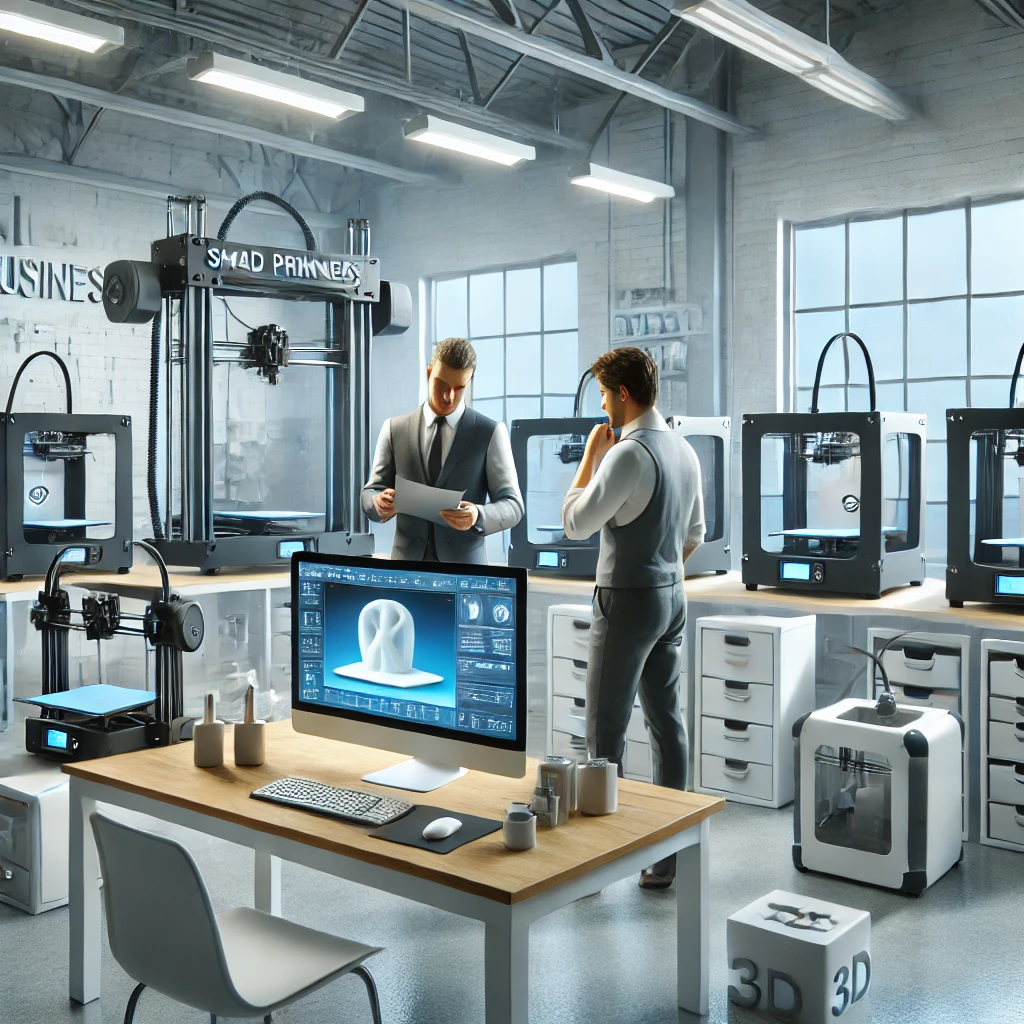
3D printing is revolutionizing the way small enterprises innovate and grow. As entrepreneurs seek cost-effective and efficient solutions, these advanced devices deliver reliability, ease-of-use, and stellar performance. The blend of technology and creativity enables startups to streamline prototyping and production while keeping budgets in check.
Embracing 3D Printing in Today’s Entrepreneurial Landscape
Over the past few years, 3D printing has evolved from a niche technology to an essential tool for startups. This technology allows small business owners to quickly prototype, produce limited product runs, and craft custom parts for daily applications. The result is a faster product development cycle and enhanced innovation capabilities that were once exclusive to established industries.
As we approach 2025, the market is shifting toward affordable models that balance cost with high performance. Entrepreneurs seeking the best 3D printers for small business startups in 2025 are favoring machines that integrate seamlessly with modern digital workflows. This technology accelerates product design iterations and adapts to market demands much faster than traditional manufacturing methods.
Choosing Affordable, High-Performance 3D Printing Solutions
For small businesses, affordability and performance go hand in hand. The latest 3D printing solutions for small businesses in 2025 offer advanced features at a price that fits tight budgets. These printers deliver precise results and low operational costs, making them the ideal choice for startups that need reliability, intuitive user interfaces, and support for multiple materials.
Modern 3D printers not only enhance speed and quality but also boast improved connectivity. With integration into cloud-based design tools, updating designs, sharing ideas with remote teams, and collaborating with global partners is now easier than ever. For small business owners looking to excel in a competitive market, investing in a versatile and efficient printer is a game-changing decision.
Technological Advancements Driving Business Innovation
Looking toward 2025, continuous innovation is propelling significant improvements in 3D printing technology. The top-rated 3D printers for small business prototyping are designed with precision, speed, and user-friendliness in mind. Years of improvements in materials science and software integration ensure these machines are perfect for businesses constantly evolving their products or venturing into custom manufacturing.
Newer models include smart features such as remote monitoring, automated calibration, and built-in safety protocols. These capabilities not only conserve valuable time but also decrease maintenance tasks, ensuring sustained productivity during extended operations. By automating routine functions, these printers let startups focus on core business activities and product innovation.
For additional insights on leveraging technology to optimize production, explore articles on small business insights that highlight the digital transformation of various sectors.
Real-World Applications and Benefits for Small Businesses
Entrepreneurs who adopt advanced 3D printing technology are already witnessing significant benefits. Design studios, for instance, can now prototype faster than ever, meeting tight deadlines and launching innovative products. In the fashion industry, designers use 3D printers to create customized accessories and on-demand clothing items, reducing waste while meeting real-time consumer needs.
Manufacturers benefit as well by producing functional parts and iterative prototypes that streamline product development. According to reputable sources like Forbes, small businesses that embrace advanced manufacturing techniques shorten product cycles and scale operations at an accelerated pace, resulting in noticeable cost savings and increased market responsiveness.
This innovative technology also enriches marketing strategies. Rapid prototyping allows companies to showcase tangible examples of their innovations to potential investors and clients. This practical demonstration not only refines designs but also enhances customer experience by making product concepts easily accessible.
Strategies to Maximize Your 3D Printing Investment
Investing in a 3D printer is a strategic decision that necessitates careful planning. Business owners should evaluate their long-term in-house production needs. A reliable 3D printer can be used for product development, limited-run specialty items, spare parts, or custom accessories.
Proper training is essential for maximizing the benefits of modern 3D printing technology. Although these machines are more user-friendly than ever, understanding design software and calibration processes helps maintain smooth operations. Investing in detailed training sessions can boost efficiency and reduce downtime.
Maintenance and support are other critical factors. Many manufacturers now provide extended warranties and round-the-clock technical assistance, ensuring that small businesses can quickly resolve issues and minimize production disruptions. Regular software updates further keep printers compatible with the latest design tools and operating systems.
Scalability is a key consideration for growing businesses. As production demands increase, selecting a printer that can handle higher workloads or be easily upgraded is vital. This future-proofing is especially important for startups with plans to expand their product range in the coming years.
Sustainability is another significant benefit of modern 3D printers. These eco-friendly devices produce minimal waste due to precise printing methods and often feature energy-saving modes. For environmentally conscious businesses, this aligns perfectly with sustainability goals while appealing to a green-minded customer base.
Looking Ahead: The Role of 3D Printing in Business Growth
As we move toward 2025, 3D printing is set to play a crucial role in the evolution of small enterprises. Digital manufacturing is more than a fleeting trend—it represents a transformative shift that enables companies to innovate faster, respond swiftly to market changes, and create previously unimaginable products.
Early adopters of this technology enjoy a significant competitive edge. By integrating cutting-edge hardware with agile production methods, entrepreneurs can rapidly refine their designs and precisely meet consumer demands. Success stories from businesses using these advanced 3D printer models underscore the impact of smart technological investments on rapid growth.
Industry experts and researchers are optimistic about the future of 3D printing. Consistent innovations continue to lower costs while improving functionality, creating an environment where startups and small businesses can flourish without large capital expenses.
In summary, by assessing your needs, investing in adequate training, and choosing scalable, sustainable options, entrepreneurs can secure a long-term competitive advantage. As the manufacturing landscape evolves, staying flexible and adopting emerging technologies will position small businesses as market leaders.
For more insights into digital transformation and the future of manufacturing, explore additional resources available on Entrepreneur and other leading industry publications.
- 3D printing technology is transforming small business production and prototyping.
- Cost-effective models now offer advanced features ideally suited for startups.
- Smart features and remote capabilities boost operational efficiency and reduce downtime.
- Future-proof 3D printers support scalable production and sustainable practices.