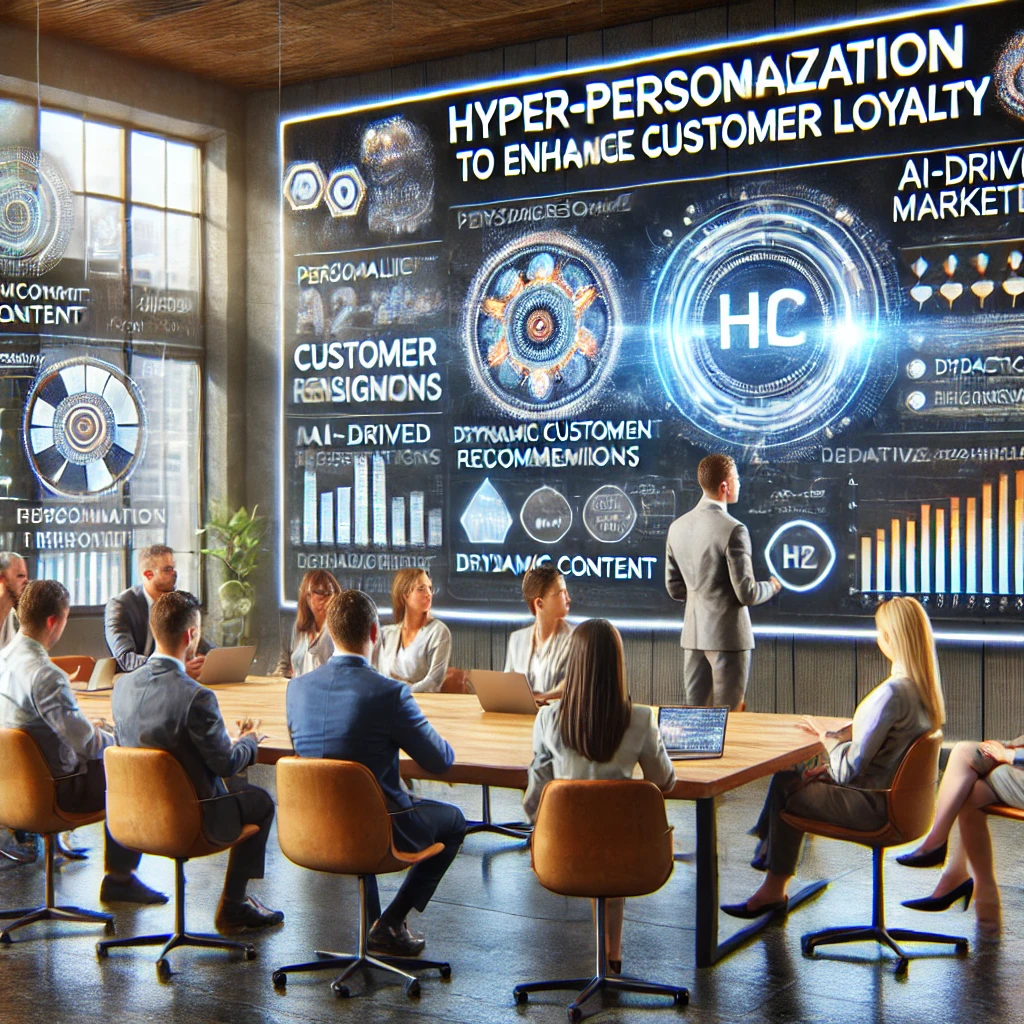
In today’s competitive digital marketplace, entrepreneurs and small business owners must innovate to truly connect with their customers. The rapid evolution of technology has ushered in hyper-personalization strategies that drive improved customer retention. By tailoring product recommendations and content to individual preferences, businesses not only enhance customer experiences but also strengthen brand loyalty. Embracing hyper-personalization is essential for staying ahead of digital marketing trends and ensuring lasting customer engagement.
The Power of Tailored Experiences
Data-driven insights are revolutionizing marketing strategies. A thorough understanding of customer behavior forms the backbone of effective hyper-personalization. By analyzing user interactions, purchase patterns, and online behavior, small business owners can craft highly personalized experiences that resonate with each customer.
Recognized customers are more likely to develop a deeper loyalty to a brand. Today’s consumers value personalized recommendations, targeted emails, and customized website interactions. This approach leads to increased satisfaction, repeat business, and a loyal customer base that actively promotes your brand.
For small businesses, implementing hyper-personalization strategies creates an ever-growing community of devoted patrons. This not only aids in retaining existing customers but also transforms them into brand ambassadors who enthusiastically share their positive experiences.
Implementing Hyper-Personalization in Your Business
Adopting a hyper-personalized approach might appear challenging, particularly for entrepreneurs managing multiple roles. However, practical strategies can simplify the transition.
Start by investing in robust customer relationship management (CRM) systems and analytics tools. These technologies gather and analyze customer data, forming the foundation of your hyper-personalization efforts. With detailed data, you can segment your audience effectively and deliver targeted messages and offers.
Automation plays a pivotal role in modern digital marketing. Advanced automation tools enable the sending of personalized emails, the management of targeted advertising, and the optimization of website experiences based on real-time behavior. This not only saves time and resources but also ensures a consistent personalization strategy across all customer touchpoints.
Small business owners can also draw inspiration from larger brands that have successfully integrated personalization into their customer experience models. For more reliable business insights, explore additional strategies on trusted platforms like small business strategies.
Innovative Digital Marketing Trends
Hyper-personalization remains at the forefront of digital marketing innovation. Emerging tools and technologies are enabling small business owners to reach customers with unprecedented precision.
One of the most significant trends is the integration of artificial intelligence (AI) into marketing platforms. AI quickly processes vast amounts of data, offering real-time recommendations that cater precisely to individual customer behaviors. This breakthrough technology facilitates genuinely effective hyper-personalization strategies for improved customer retention.
Voice search and chatbots are also transforming customer engagement by providing immediate, tailored responses to queries. As voice-activated devices become more common, ensuring personalized interactions via these technologies will be key to maintaining customer loyalty.
Moreover, the focus on mobile-first personalization is critical. With more consumers relying on smartphones for shopping and research, optimizing digital touchpoints for mobile experiences is essential. Mobile-optimized communications further strengthen customer relationships, even on the go.
The Road Ahead: Building Trust Through Data
Embracing hyper-personalization means balancing innovation with ethical data practices. As customers become increasingly aware of data privacy issues, transparency in data use is paramount for building trust.
Entrepreneurs and small business owners must communicate openly about data collection and its benefits. Clearly explaining how customer data enhances the shopping experience not only builds trust but also encourages deeper engagement. Transparent practices reduce the risk of data breaches, which can quickly damage customer confidence and brand reputation.
Experts advocate for a balanced approach that combines cutting-edge personalization with strict ethical data management. Trusted resources like Forbes emphasize that customers are more likely to remain loyal to brands that prioritize and protect their personal information.
Regularly reviewing your data policies and staying current with regulatory changes ensures your business remains at the forefront of ethical practices. A robust data governance framework not only protects your organization but also reassures customers that their privacy is a top priority. In an era where data breaches can escalate rapidly, careful data management is as vital as your personalization strategy.
Hyper-personalization is more than a fleeting trend—it is rapidly becoming a cornerstone of customer engagement. Entrepreneurs and small business owners who adopt these innovative techniques today can expect lasting improvements in customer retention and brand loyalty. By focusing on tailored experiences, digital marketing innovations, and ethical data practices, your business is well-positioned for long-term success in a competitive landscape.
By merging personalization with transparency, you lay the groundwork for enduring customer relationships. While the journey to full hyper-personalization may be complex, the rewards—significant increases in customer retention and brand advocacy—are well worth the effort. Embrace the latest digital marketing trends and position your business for sustainable growth and enhanced customer loyalty.
- Hyper-personalization strategies create tailored experiences that boost customer retention.
- Investing in data analytics and automation tools is key to successful personalization.
- Digital marketing trends such as AI, voice search, and mobile optimization are transforming customer engagement.
- Transparent data practices build trust, ensuring long-term brand loyalty and sustainable growth.