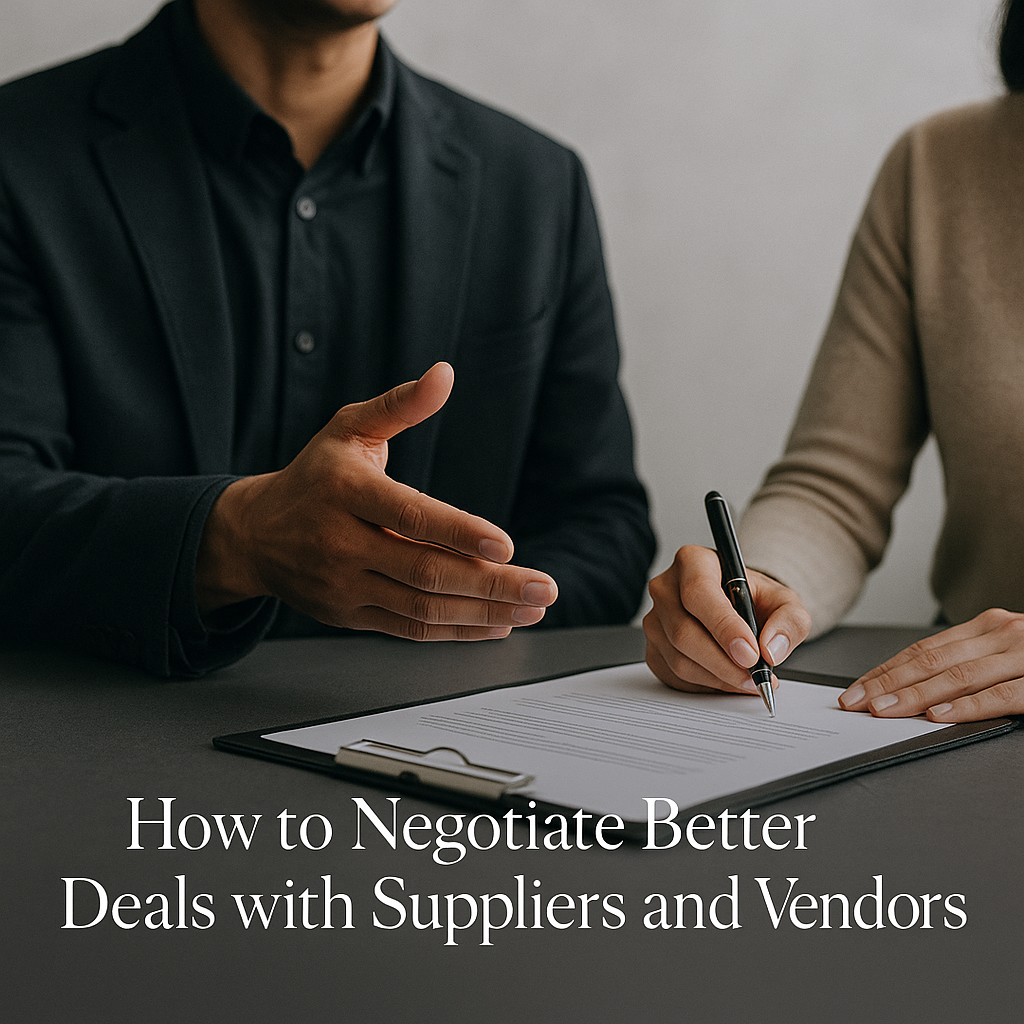
Effective negotiation with suppliers and vendors is crucial for entrepreneurs and small business owners. Whether you’re sourcing raw materials, finalizing contracts, or managing service providers, a well-planned negotiation strategy can dramatically improve your profit margins. By blending thorough preparation with a flexible mindset, you can secure deals that benefit every aspect of your business.
Setting the Stage for Successful Negotiations
Before entering discussions with suppliers, invest time in thorough research. Understand market trends, analyze industry pricing, review competitor offers, and identify potential negotiation leverage points. This preparation should extend beyond pricing to cover quality, delivery schedules, payment terms, and additional services.
Start by clearly defining your objectives. Determine what you need from the partnership and prioritize the terms that matter most. A detailed supplier negotiation guide can clarify your approach. Consider these key steps:
- Understanding your cost structure
- Evaluating the supplier’s market reputation
- Distinguishing essential terms from optional extras
Being well-prepared not only strengthens your bargaining position but also builds credibility, increasing your chances of achieving mutually beneficial agreements.
Developing a Collaborative Mindset
Many mistakenly view supplier negotiations as battles, but they are opportunities for establishing long-term, mutually rewarding partnerships. Adopting a collaborative mindset transforms negotiations into a cooperative dialogue focused on shared success.
Whenever possible, arrange face-to-face meetings or video conferences to build rapport. Sharing your long-term business growth plans can position you as a valued partner rather than merely a transaction. As highlighted by Entrepreneur, businesses that prioritize relationship building often secure more flexible and favorable terms.
Implementing Advanced Techniques and Strategies
Once initial discussions have taken place, elevate your negotiation with advanced vendor strategies. Consider proposals like multi-year agreements or volume commitments, which can unlock significant discounts and enhanced service terms. Factor in market fluctuations and potential supply chain disruptions to ensure that your agreements remain robust and flexible.
Leverage competitive offers by informing suppliers of ongoing discussions with other vendors. This transparency can prompt them to present more attractive deals. Additionally, tailor contracts to incorporate shared risks and rewards; for example, clauses that adjust pricing in response to market changes can provide stability while allowing for flexibility. Always ensure your agreement includes provisions for renegotiation as your business evolves.
For further insights, visit the comprehensive business strategy insights page on MakeBusiness.eu. It offers real-life case studies and actionable advice on supplier relationships and resource management.
Practical Tips for Securing Better Supplier Deals
In the final stages of a negotiation, success often lies in attending to the details. Consider these practical tips to secure better supplier deals:
- Define Clear Objectives: Pinpoint exactly what you want out of the contract. Whether it’s more competitive pricing, faster delivery times, or improved quality standards, clarity now prevents misunderstandings later.
- Be Ready to Compromise: Even with a clear agenda, flexibility on less critical terms can encourage progress and help establish trust.
- Focus on Long-term Relationships: Building enduring partnerships often leads to more favorable terms as both parties recognize the long-term value of collaboration.
- Document Everything: Record all agreed-upon terms to avoid confusion and provide a solid reference in case of future disputes.
- Consult Industry Experts: Engaging with consultants who understand supply chain dynamics can offer fresh perspectives and innovative negotiation strategies.
Integrating these tactics into your negotiation strategy combines empirical data, market insights, and effective relationship management. While negotiation remains a dynamic process, a structured plan helps maintain focus even during challenging discussions.
By emphasizing collaboration, thorough preparation, and advanced negotiation techniques, small business owners can develop strong supplier relationships that drive growth and operational efficiency. Remember, negotiation is not just about securing the lowest price—it’s about creating clear, mutually beneficial partnerships for long-term success.
Adaptability remains key. As market conditions evolve, regularly review and refine your negotiation strategies. Whether you’re launching a new venture or managing an established enterprise, these insights empower you to drive your negotiations toward more profitable outcomes.
- Prepare thoroughly with a detailed supplier negotiation guide
- Adopt a collaborative approach for lasting partnerships
- Use advanced vendor negotiation strategies to tailor contracts
- Set clear objectives and remain flexible amid changing market dynamics