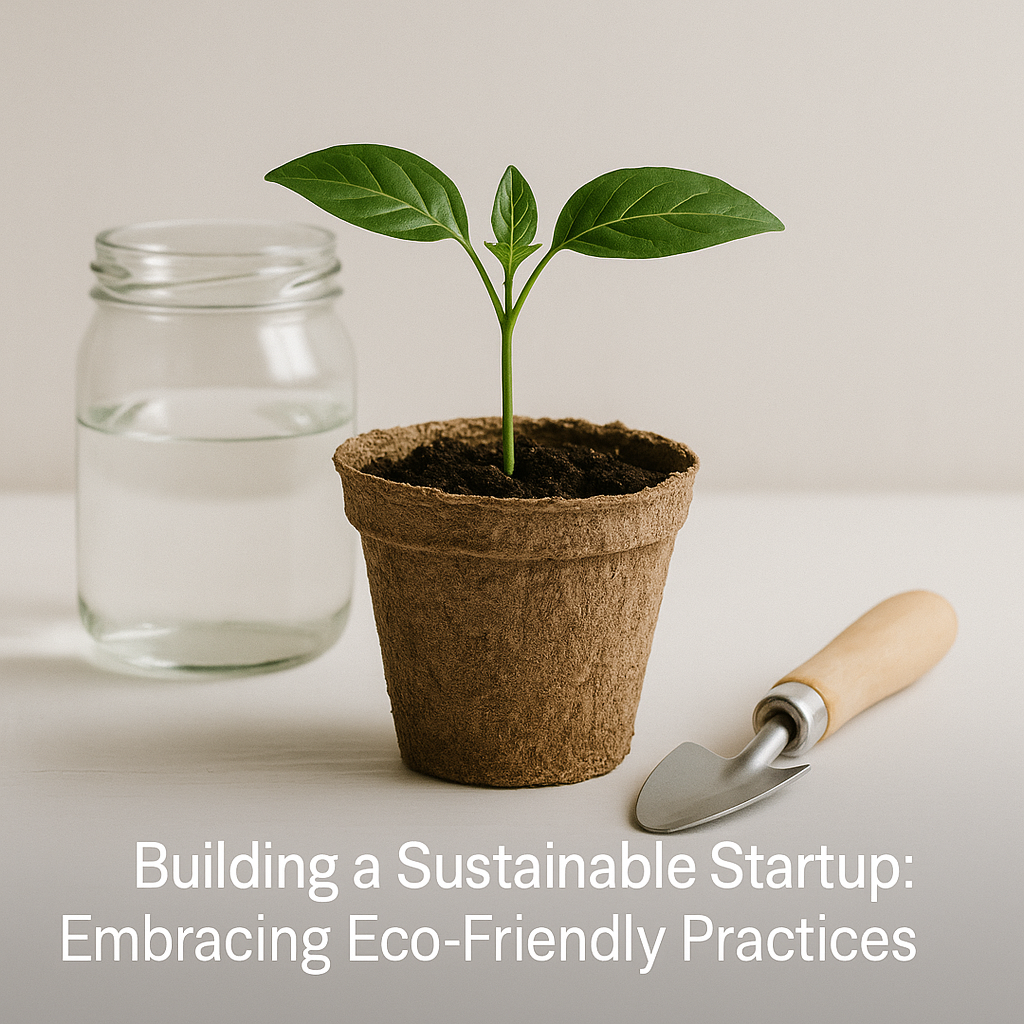
Launching a business today means more than offering a great product or service – it’s about making a positive impact on the planet. With sustainability now a key benchmark for modern companies, entrepreneurs and small business owners are rethinking startups by adopting eco-friendly methods. Embracing green practices not only demonstrates responsibility but also provides a competitive edge in an increasingly eco-conscious marketplace.
The Value of a Sustainable Startup
Entrepreneurs often ask how to integrate environmental values at every operational level. Adopting eco-friendly practices is a long-term strategy rather than a passing trend. A comprehensive sustainable startup guide can help you navigate challenges—from reducing your carbon footprint to sourcing materials responsibly. Aligning your business model with sound environmental practices builds consumer trust and unlocks new market opportunities.
Today’s consumers are informed and demand transparency regarding environmental impact and ethical practices. This awareness fosters brand loyalty and a readiness to pay a premium for products that align with their values. Consequently, green entrepreneurship strategies are now essential for any modern startup striving for sustainable success.
Designing an Eco-Conscious Blueprint for Your Venture
The journey toward sustainability starts with a detailed plan. Begin by evaluating every aspect of your operations using a sustainable startup guide. Analyze your supply chain, product packaging, and even your office environment to identify areas for improvement. Investing in energy-efficient technologies, minimizing waste, and utilizing local resources can reduce operational costs while supporting eco-friendly goals.
Creating an eco-conscious blueprint means incorporating clear sustainability benchmarks from the planning stage. Set measurable goals, such as reducing energy consumption by a specific percentage in your first year or partnering with suppliers that adhere to strict environmental standards. These milestones help you track progress and ensure that eco-friendly practices remain integral to your business strategy. For more detailed insights on creating a resilient business plan, check out our article on eco-conscious blueprint.
This approach is not exclusive to large corporations. Many small business owners have successfully applied these techniques to build operations that are both economically viable and environmentally sustainable. By aligning your objectives with responsible practices, your startup is better equipped to adapt to regulatory changes while building lasting relationships within your community.
Effective Green Entrepreneurship Strategies
With your blueprint in place, the next step is execution. Implementing green entrepreneurship strategies involves making tactical decisions and continuously evaluating processes for improvement. Start by reviewing your current operations to identify immediate areas for enhancement, such as energy audits, waste management optimizations, and reexamining your supply chain for sustainable alternatives.
Leveraging modern technology is a key factor in building an eco-conscious startup blueprint. Tools like cloud computing, remote work solutions, and automation help reduce your environmental impact while boosting efficiency. Many startups have found that moving operations online cuts overhead expenses and lowers carbon emissions by reducing the need for physical infrastructure. Resources such as those offered by MakeBusiness provide tailored advice and innovative technologies for modern startups.
Sustainability is an ongoing journey. Regularly review and adjust your strategies by learning from case studies featured in reputable sources like Forbes and Entrepreneur. Continuous learning and adaptation ensure that your startup not only meets environmental targets but also remains resilient in a rapidly evolving market.
Fostering a Culture of Sustainability
Embedding sustainability in your startup goes beyond strategic planning—it requires a cultural transformation. Encourage your team to contribute eco-friendly ideas, whether it’s launching recycling programs or developing products from recycled or biodegradable materials. A culture that values green initiatives inspires innovation and commitment at every level of your organization.
When employees actively participate in sustainability efforts, they become natural ambassadors for your brand, spreading positive messages within their communities and social networks. This internal commitment enhances brand recognition and attracts top talent who share your passion for environmental stewardship.
Creating a culture of sustainability means involving your team in decisions, from choosing eco-friendly office supplies to selecting renewable energy sources. In turn, this collaborative approach strengthens internal morale and loyalty, helping your startup navigate market fluctuations and regulatory changes more effectively.
Sharing your sustainability successes through blog posts, press releases, or social media updates builds a positive brand image. Consumers are more likely to trust and support a company that actively reduces its environmental footprint, setting you apart in a competitive marketplace.
Incorporating eco-friendly practices is a winning business strategy. Each step you take toward sustainability not only reduces your environmental impact but also positions your startup for long-term success. With careful planning, ongoing evaluation, and a commitment to change, you can balance responsible practices with profitability.
Start embracing these green strategies today to achieve robust, efficient, and sustainable growth. Early investments in eco-friendly practices can lead to operational savings, increased brand loyalty, and new partnerships with green-focused businesses and communities.
- Incorporate eco-friendly practices into your core operational strategy.
- Develop a detailed blueprint with clear sustainability targets.
- Utilize modern technology and online resources to reduce environmental impact.
- Foster a culture of continuous improvement and environmental responsibility.