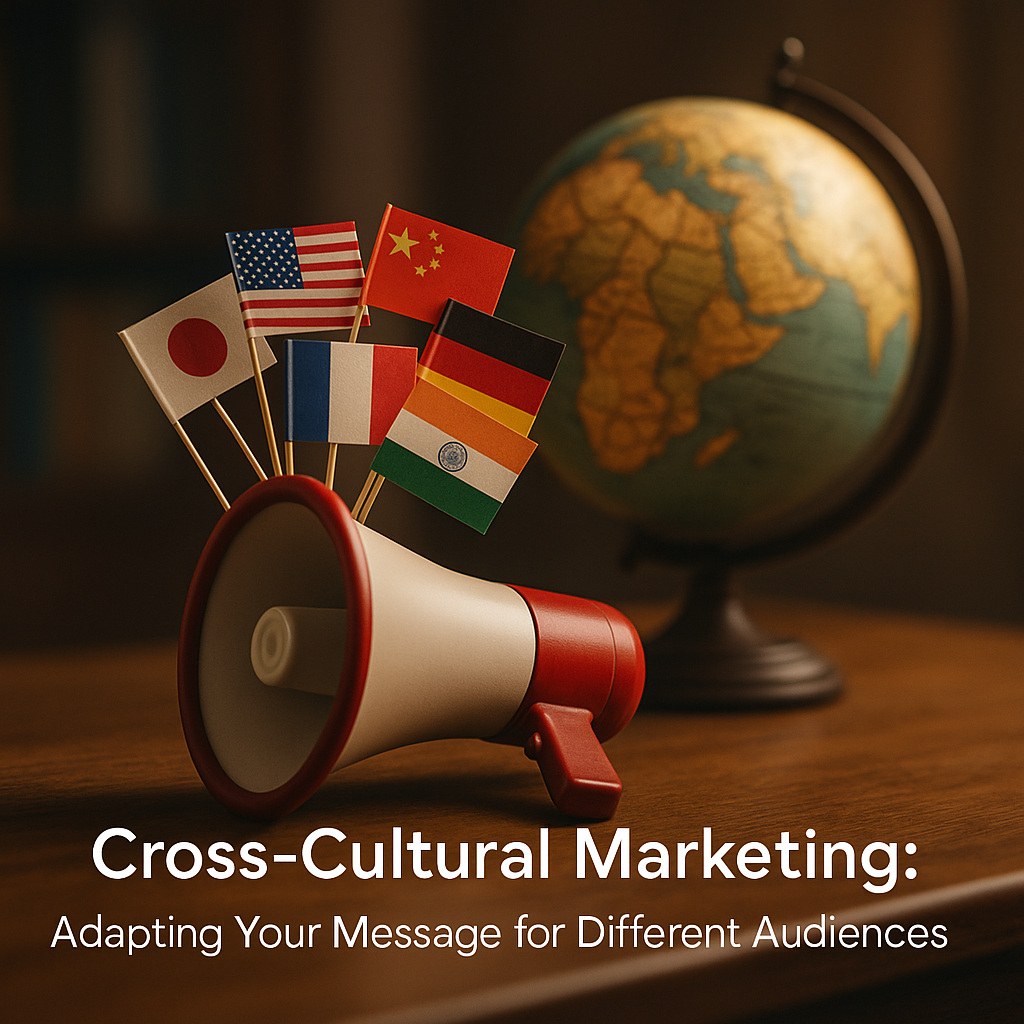
If you’re an entrepreneur or small business owner aiming to enter international markets, it’s time to rethink your marketing approach. By embracing cultural diversity, you can transform your messaging and unlock new business opportunities. In our increasingly interconnected world, mastering cross cultural marketing strategies for global audiences is crucial for success.
Understanding the Power of a Culturally Tailored Message
A generic, one-size-fits-all marketing approach rarely engages diverse communities. Every country—and sometimes even each region within a country—possesses unique traditions, language nuances, and value systems. By adapting your marketing message for multicultural markets, you not only show respect for cultural diversity but also enhance your brand’s authenticity. This thoughtful approach creates a genuine connection between your brand and its audience.
Imagine a clothing brand that customizes its catalog for each region. What resonates in one culture might not have the same impact in another. Paying attention to these small yet significant details can be the difference between a successful campaign and one that falls flat. Effective cross cultural advertising techniques require recognizing these subtleties and tailoring content to local tastes.
Strategies for Culturally Conscious Messaging
Building a culturally aware marketing strategy begins with thorough research. Understanding the social, political, and economic environment of your target audience is essential. Consider these strategies to get started:
Perform In-Depth Market Research
Before launching any campaign, conduct comprehensive market research that goes beyond basic demographics. Explore local customs, consumer behavior, and current trends. Using local focus groups, social media listening tools, and survey platforms can provide critical insights for effectively adapting your message.
For more detailed insights and practical advice on dynamic marketing strategies, visit Make Business insights. This resource can help you update your approach with reliable data and proven methods.
Localize Your Content, Don’t Just Translate It
Simply translating your content word-for-word is not enough. Localization means adjusting cultural references, humor, style, and idiomatic expressions to truly fit the target culture. This deeper commitment not only avoids misinterpretations but also builds a strong, positive brand image in each market.
Investing in localization demonstrates respect for a culture’s unique identity and significantly increases the chances that your marketing message will resonate with local audiences.
Embrace Visuals and Storytelling
Visual elements can bridge cultural gaps when carefully chosen. Colors, images, and symbols have varied meanings across different cultures, so research local visual preferences and sensitivities. A color that symbolizes positivity in one region might convey an entirely different message elsewhere.
Storytelling is a powerful tool that transcends cultural boundaries. A well-crafted story that respects cultural contexts not only promotes your brand but also establishes an emotional connection with your audience. Incorporating local heroes or culturally significant narratives can add authenticity and relatability to your campaigns.
Implementing Cross Cultural Advertising Techniques for Diverse Audiences
Successful advertising in multicultural markets demands constant adaptation and innovation. The strategies you use may vary depending on geographic and demographic factors. Consider these actionable tips:
- Create regional campaigns that celebrate local traditions, festivals, and social milestones.
- Collaborate with local influencers who understand the cultural nuances and have dedicated followings.
- Utilize popular local platforms rather than relying solely on global social networks.
- Experiment with diverse multimedia content—videos, podcasts, and interactive formats—to discover what best engages your audience.
Forbes emphasizes that tailoring your marketing message by incorporating local nuances is essential for success. Integrating global strategies with localized execution can lead to significant business growth.
Continuously test, refine, and adjust your campaigns based on market feedback. While the process may seem challenging, every successful cross cultural marketing campaign evolves through trial, error, and learning from the local market.
The journey toward cultural integration in marketing is ongoing. As societal norms and trends evolve, so must your strategies. This flexibility not only earns the trust of a diverse customer base but also keeps your brand relevant in a dynamic global marketplace.
Embracing these strategies allows your business to connect authentically with audiences, promoting growth and fostering customer loyalty. Whether you are a startup or an established enterprise, leveraging cross cultural marketing strategies can unlock your brand’s full potential by demonstrating a genuine understanding of cultural dynamics.
In today’s competitive landscape, companies that invest in understanding cultural conversations, preferences, and expectations are the ones that stand out. By integrating cultural adaptation into your core strategy, you set the stage for long-term, borderless success.
Whether you are exploring new markets or strengthening your presence in familiar ones, adapting your message through thoughtful, research-driven, and localized campaigns is key. Stay agile, learn from local market feedback, and continuously refine your approach.
The future of marketing is multicultural and interconnected. With effective cross cultural advertising techniques, you can build bridges that connect diverse communities, creating a loyal customer base that feels truly understood and valued.
- Prioritize thorough research and localization for genuine cultural adaptation.
- Create culturally sensitive messages that pay attention to local nuances.
- Diversify your advertising platforms with engaging multimedia content.
- Continuously refine your strategies based on market feedback and emerging trends.