Blockchain technology has grown well beyond its origins in cryptocurrency. Entrepreneurs and small business owners are now discovering that blockchain’s potential extends far beyond Bitcoin. Innovative thinkers are breaking new ground by applying blockchain across sectors such as finance, healthcare, supply chain management, and creative industries. This evolution is creating significant opportunities for business transformation and growth.
Breaking the Mold: Expanding Blockchain’s Role in the Modern Economy
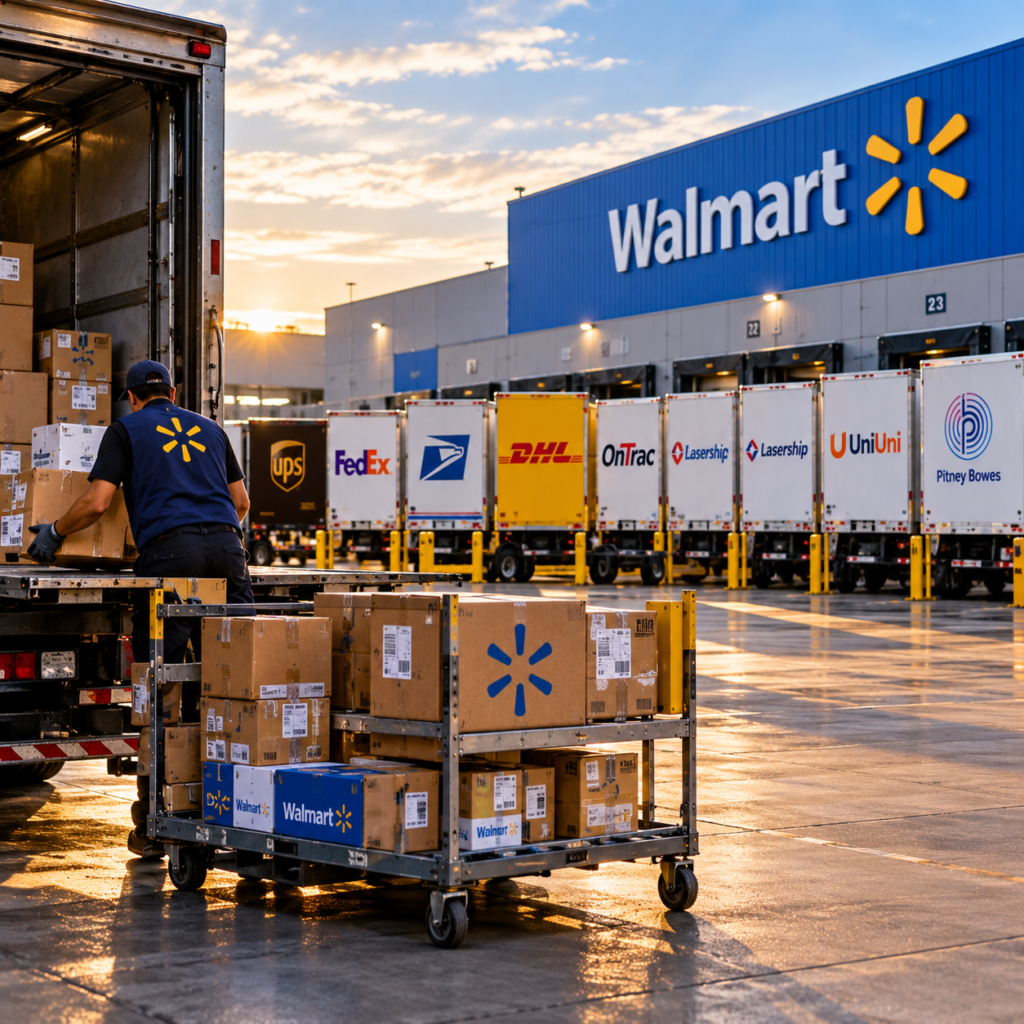
When most people mention blockchain, they envision digital currencies. However, the technology’s qualities of transparency, decentralization, and security unlock vast possibilities beyond conventional monetary systems. These advanced blockchain solutions for industrial transformation enhance efficiency, diminish fraud, and secure supply chain processes. Many small businesses are exploring blockchain to streamline operations and elevate customer trust.
Innovative entrepreneurs are leveraging blockchain to optimize communication and reduce intermediary involvement. Smart contracts automate verifications, cutting down on time and resources for routine tasks. This efficiency not only decreases operational costs but also offers startups and growing enterprises a competitive edge.
Innovative Blockchain Integrations in Finance and Healthcare
Blockchain is making a powerful impact in the finance sector. Banks and FinTech companies are adopting blockchain to offer secure, transparent transaction systems. By utilizing innovative blockchain integrations in finance and healthcare, institutions enhance reliability and reduce fraud, benefiting both consumers and businesses. These secure frameworks are revolutionizing cross-border transactions, digital asset management, and decentralized investment platforms.
In healthcare, blockchain is fueling a digital transformation. Patient records, medical data, and pharmaceutical supply chains are being reimagined with blockchain, allowing secure patient data access and streamlined processes for insurance claims and clinical trials. The result is a system that is more secure, efficient, and patient-centric.
These pioneering applications highlight the significance of exploring blockchain beyond traditional cryptocurrency uses. Understanding blockchain’s benefits is crucial for businesses aiming to stay competitive in today’s digital economy.
Embracing Disruption: How Small Businesses Can Leverage Blockchain
Small business owners continually seek innovative strategies to enhance efficiency and build customer trust. Blockchain technology offers a promising solution by improving import/export tracking, simplifying payment systems, and securing data management. This approach not only modernizes operations but also transforms transaction and data handling practices at every level.
For instance, a small business conducting numerous daily transactions can utilize blockchain to mitigate fraud risks associated with traditional payment systems. Enhanced transparency and faster transaction speeds make blockchain especially valuable for international operations where quick, secure cross-border payments are essential.
Blockchain also presents robust solutions for digital identity verification. Tamper-proof verification processes reduce identity fraud and boost customer confidence, a crucial advantage for businesses in the competitive digital marketplace.
Entrepreneurs seeking effective growth strategies can find valuable insights in resources like this comprehensive guide on effective business scaling.
Exploring Future Trends and Applications
The conversation around blockchain is set to intensify as technological advancements reveal new applications. Major technology firms, startups, and research institutions are investing heavily in R&D to expand blockchain’s capabilities. This momentum is driving the development of more advanced blockchain solutions for industrial transformation across diverse sectors.
An emerging trend is the application of blockchain in environmental sustainability. Companies are developing systems to track green energy production and carbon credits with blockchain, ensuring transparency in environmental impact reporting and supporting global climate efforts. These initiatives not only boost corporate responsibility but also attract eco-conscious consumers.
Another breakthrough combines blockchain with technologies like the Internet of Things (IoT) and artificial intelligence (AI). These integrations enable self-regulating systems capable of real-time decision-making. Imagine a smart warehouse where sensors monitor inventory and transactions are securely recorded on an immutable blockchain, resulting in faster restocking, reduced waste, and enhanced overall efficiency.
Leading publications such as Forbes regularly spotlight blockchain’s disruptive influence and its expanding role in modern digital infrastructures. The convergence of blockchain with other emerging technologies ensures that discussions remain timely and relevant to current and future business strategies.
As blockchain continues to evolve, so do the opportunities for innovative application. Entrepreneurs and business owners who remain informed will be ideally positioned to harness blockchain solutions to drive true business transformation.
In today’s era of digital disruption, blockchain is far more than just a buzzword—it is a powerful tool that redefines business models. Its ability to provide transparency, secure transactions, and automate routine tasks makes blockchain an attractive solution for a variety of industries. From finance and healthcare to supply chain management and sustainability, blockchain paves the way for enhanced accountability and efficiency.
Implementing blockchain requires a forward-thinking mindset and a willingness to explore new possibilities. Business owners should consider starting with pilot projects to evaluate how blockchain can integrate with existing systems. Small-scale initiatives often lead to broader innovations, balancing creativity with practical application.
When effectively harnessed, blockchain not only streamlines operations but also builds lasting trust with customers. As more businesses adopt these advanced solutions, they’ll create new revenue streams, deliver unique customer experiences, and secure a leading edge in the digital age.
The move toward decentralization signals a fundamental shift in business operations. Blockchain empowers organizations to reduce reliance on centralized authorities, democratizing data and resources. This evolution encourages more resilient business practices and cultivates deeper customer relationships. The future belongs to those investing in technologies that champion transparency, efficiency, and resilience.
Ultimately, the promise of blockchain is measured in practical, transformative outcomes. By adopting blockchain solutions, businesses can modernize outdated processes and achieve significant operational breakthroughs. Embrace the power of blockchain today to build a more transparent, efficient, and innovative future for your organization.
Whether your goal is to secure transactions, optimize supply chain management, or stay ahead of technological trends, blockchain offers opportunities that are too impactful to ignore. Investing in blockchain initiatives now positions small businesses and entrepreneurs to lead in an increasingly digital and transparent economy.
- Blockchain extends far beyond cryptocurrency, offering secure and innovative business solutions.
- Leading sectors such as finance and healthcare are transforming operations with blockchain integrations.
- Small businesses can leverage blockchain to streamline processes, reduce fraud, and enhance customer trust.
- Emerging trends include blockchain integration with IoT, AI, and sustainability practices for industrial transformation.