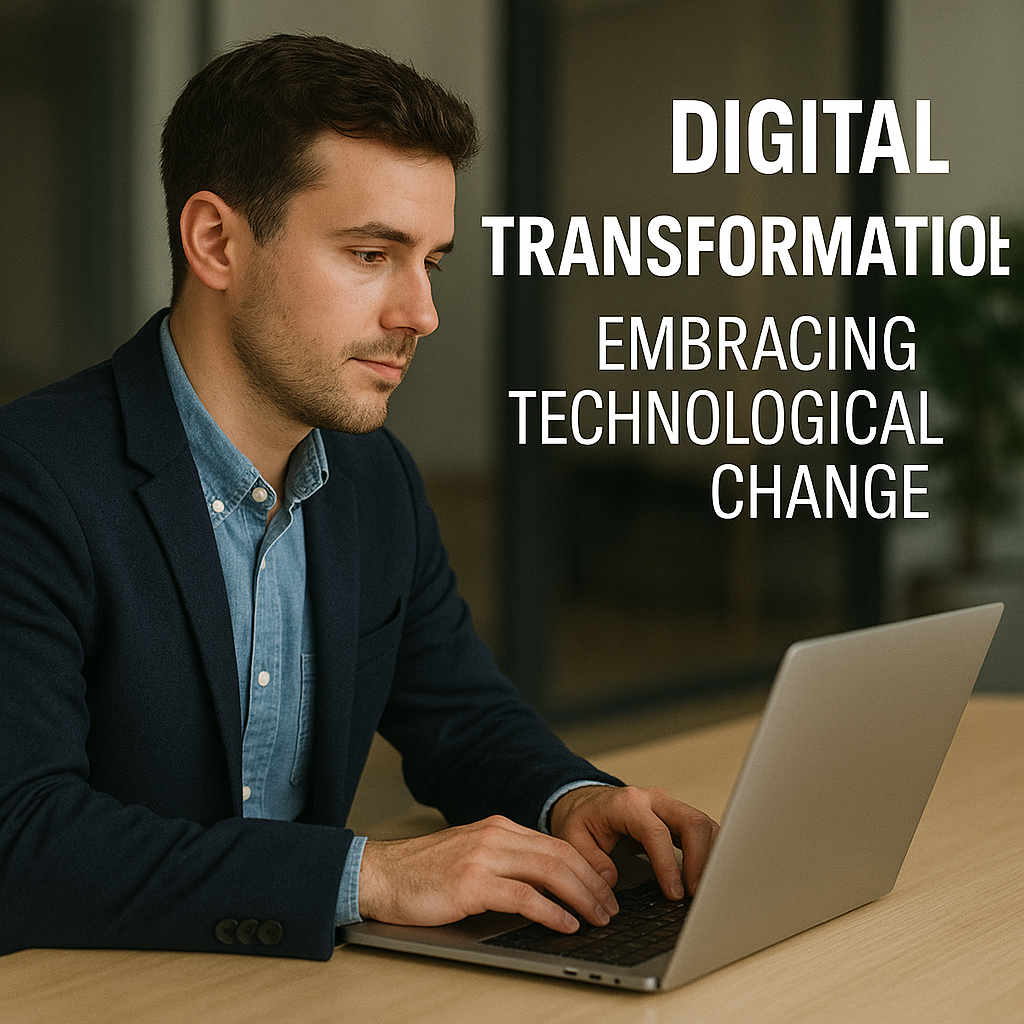
In today’s fast-paced business world, the digital landscape is reshaping how entrepreneurs and small business owners operate, connect with customers, and drive growth. Digital transformation goes beyond adopting new software—it requires rethinking operations, embracing new technologies, agile strategies, and innovative tools to stay competitive in a rapidly evolving market.
Understanding the Scope of Digital Integration
Digital transformation means integrating modern technology into every facet of your business to deliver unparalleled value to your customers. This evolution is evident in the rise of cloud-based solutions, advanced data analytics, e-commerce platforms, and more. For small businesses, these technologies streamline operations, enhance customer experiences, and optimize marketing efforts.
The transformation is not only about technology but also about strategy. Leveraging data-driven insights helps entrepreneurs make informed decisions, monitor real-time performance, and spot emerging trends. By embedding technology in daily operations, businesses empower their teams to work efficiently, innovate continuously, and maintain a competitive edge.
Reinventing Daily Operations with Technology
Embracing technological change revolutionizes daily business processes. Automating routine tasks with advanced software or using integrated systems to manage Customer Relationship Management (CRM) improves overall performance. Every process becomes an opportunity to enhance efficiency.
For example, automated invoicing systems eliminate tedious paperwork and reduce errors, while time-tracking and project management tools help teams meet deadlines and achieve measurable results. This digital integration not only boosts productivity but also fosters a culture of continuous improvement and innovation.
Nurturing a Culture of Innovation and Adaptability
Technology is only as effective as the people who use it. Digital transformation requires a cultural shift towards agility, collaboration, and a readiness to experiment. Embracing digital tools means creating an environment where employees are motivated to learn new skills, adopt new tools, and share insights that drive collective progress.
Offering training sessions, workshops, and open forums helps break down resistance to change. Involving every team member in the digital journey ensures the organization is ready to seize new opportunities. This proactive approach enhances internal efficiencies and significantly improves customer experiences.
Leaders who champion digital proficiency see enhanced decision-making, improved customer engagement, and robust operational resilience. A digitally mature company is better positioned to anticipate market changes, innovate rapidly, and maintain its competitive advantage.
Harnessing Data to Drive Growth
Data is one of the most valuable assets in the digital era. By capturing and analyzing data from website interactions, customer feedback, and sales trends, you can gain actionable insights to refine your business strategy and drive growth. Effective use of data analytics leads to smarter decision-making.
For example, data analytics can reveal which products or services resonate with your target audience, allowing you to fine-tune marketing campaigns for maximum impact. Harnessing AI-driven automation can further refine these efforts, as discussed in Is AI Replacing Entrepreneurs: The Future of Automated Businesses. This data-informed strategy enhances decision accuracy, whether in pricing, customer interactions, inventory management, or supply chain logistics.
Overall, leveraging data not only optimizes current operations but also opens new avenues for growth. Quick adaptation based on analytical insights ensures that your business remains agile and competitive. For expert opinions and strategic insights, explore resources available on platforms like Forbes.
Crafting a Future-Proof Strategy for Technological Change
Technological change is an ongoing evolution, not a one-time project. As market conditions and customer expectations evolve, your digital transformation strategy must be flexible and forward-thinking. Small business owners should develop a long-term vision that balances current operational needs with future industry trends.
Start by setting clear, achievable goals to identify areas where technology can make the greatest impact—whether in customer engagement, operational efficiency, or market expansion. A structured approach to integrating these technologies into existing workflows often yields sustainable results, even with limited resources.
Consider low-cost, high-impact investments such as cloud services, which reduce infrastructure expenses while offering scalable solutions for growth. Additionally, partnering with digital growth experts from How to Run a Profitable Business Without a Large Budget can help tailor strategies to your specific needs.
Beyond these practical steps, cultivating an innovative culture is essential. Regular feedback sessions, cross-department collaboration, and strategic partnerships with digital consultants can drive progress. The goal is to embed digital transformation into your company’s DNA, making it a continuous strategic priority.
Every effort to modernize not only optimizes current operations but also lays the foundation for a dynamic, sustainable future. Viewing technological change as an opportunity, rather than a disruption, ignites positive momentum that can reshape your business model over time.
Embracing digital transformation means developing an agile mindset where constant learning and adaptation are the norm. Entrepreneurs who stay ahead of technological trends will be better equipped to tackle future challenges and secure significant competitive advantages.
- Digital transformation integrates technology across all business functions, streamlining operations and boosting efficiency.
- A supportive culture is key to fully leveraging digital tools and driving innovation.
- Data analytics empowers informed decision-making and targeted marketing strategies.
- A phased, strategic approach to digital integration ensures long-term growth and competitive advantage.