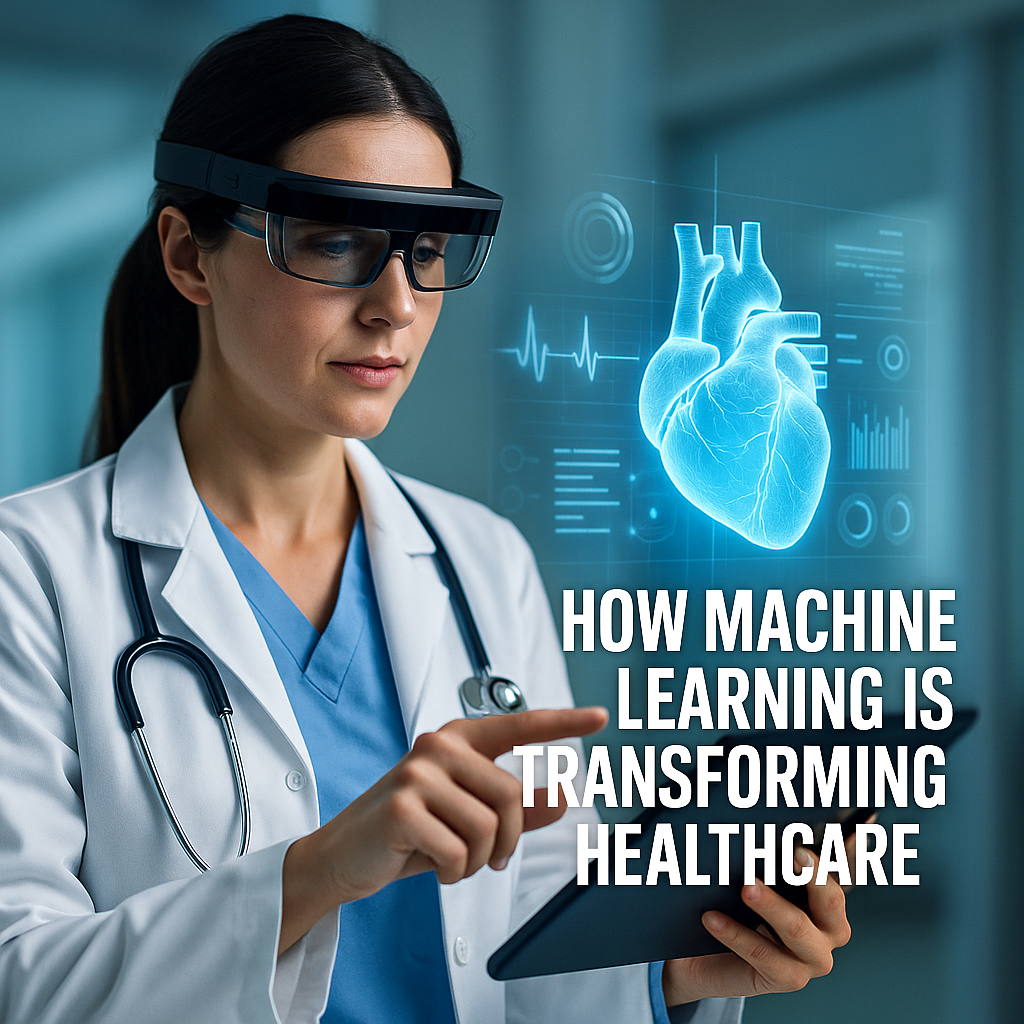
In today’s dynamic business landscape, staying competitive means leveraging emerging technologies to transform traditional industries. One of the most impactful areas of innovation is healthcare. For entrepreneurs and small business owners, the convergence of technology and healthcare opens doors to reinvent processes, increase efficiency, and deliver exceptional value. At the heart of this transformation is machine learning.
Revolutionizing Healthcare Diagnostics
Machine learning is revolutionizing healthcare diagnostics by enabling advanced algorithms to analyze medical images, patient records, and complex diagnostic data. These innovations empower doctors to detect diseases at an early stage with greater accuracy. This leap forward not only enhances technology but also saves lives and improves patient outcomes.
Hospitals and clinics worldwide are integrating these advanced diagnostic processes into their daily operations. For small businesses in the medical technology space—or those seeking partnerships with healthcare institutions—this progress presents numerous opportunities. Entrepreneurs are now forming strategic partnerships, investing in cutting-edge technology, and launching startup solutions that integrate seamlessly with existing healthcare systems.
Personalized Healthcare Through Data-Driven Decisions
One of the most promising applications of machine learning is in personalized healthcare. By analyzing vast amounts of data—from genetic information and lifestyle factors to comprehensive medical histories—companies can deliver tailored treatment recommendations for patients. This data-driven approach enhances treatment protocols and strengthens preventive care strategies.
Entrepreneurs aiming to enter the healthcare market should recognize personalized healthcare as a significant growth area. Customizing treatment plans enables a proactive approach to patient management and creates opportunities for innovative products, services, and applications focused on individual wellness. Small business owners can capitalize on these trends to expand their market presence with cutting-edge health solutions.
Enhancing Overall Healthcare Outcomes
Machine learning also plays a crucial role in improving overall healthcare outcomes by streamlining administrative tasks, automating diagnostic processes, and predicting disease trends. These advancements allow healthcare providers to focus more on patient care, resulting in a more efficient and compassionate healthcare system.
For example, algorithms that predict hospital readmission rates or forecast patient influx during flu seasons help hospitals allocate resources effectively. This capability is particularly transformative for smaller healthcare facilities striving to optimize operations and maintain a competitive edge.
Industry leaders are taking notice. A recent Forbes article highlighted several case studies where machine learning drove measurable improvements in patient outcomes, adding credibility to these technological advancements.
Opportunities for Entrepreneurs and Small Business Owners
Machine learning in healthcare is not exclusive to large tech corporations or well-funded startups. Many small businesses are seizing the opportunity to develop niche products, offer specialized consultancy services, or launch innovative ventures tailored to a rapidly evolving healthcare industry. The integration of machine learning into everyday medical practice underscores that innovation is a key driver of competitive advantage.
Business owners can tap into unexplored market gaps by understanding the practical aspects of healthcare innovation. Whether you are a software developer, healthcare consultant, or facility manager, staying informed about emerging trends, exploring strategic partnerships, and investing in technological upgrades can significantly enhance your business strategy. Visit Make Business for insights on practical innovation in healthcare.
Moreover, the versatility of machine learning enables even businesses outside the traditional healthcare domain to find relevant applications. Retailers and service-oriented firms, for instance, can use predictive analytics to understand consumer behavior in overlapping sectors like wellness and fitness.
As the healthcare industry increasingly relies on data, collaboration between tech innovators and healthcare providers is essential. This synergy creates innovative business models that streamline operations and open new revenue streams. For entrepreneurs, the goal is to harness personalized care and scalable technology to drive strategic growth and transform global health.
In an era where technology is reshaping every facet of life, machine learning stands as a cornerstone for healthcare innovation. Its transformative impact on diagnostics, personalized treatment, and overall patient care positions business owners and entrepreneurs at the forefront of an evolving industry—while contributing significantly to global health improvement.
- Machine learning enhances the accuracy and efficiency of healthcare diagnostics.
- Data-driven personalized healthcare is unlocking significant market opportunities.
- Operational improvements enable healthcare providers to focus more on patient care.
- Entrepreneurs and small business owners can leverage these innovations for strategic growth.