
Latest News
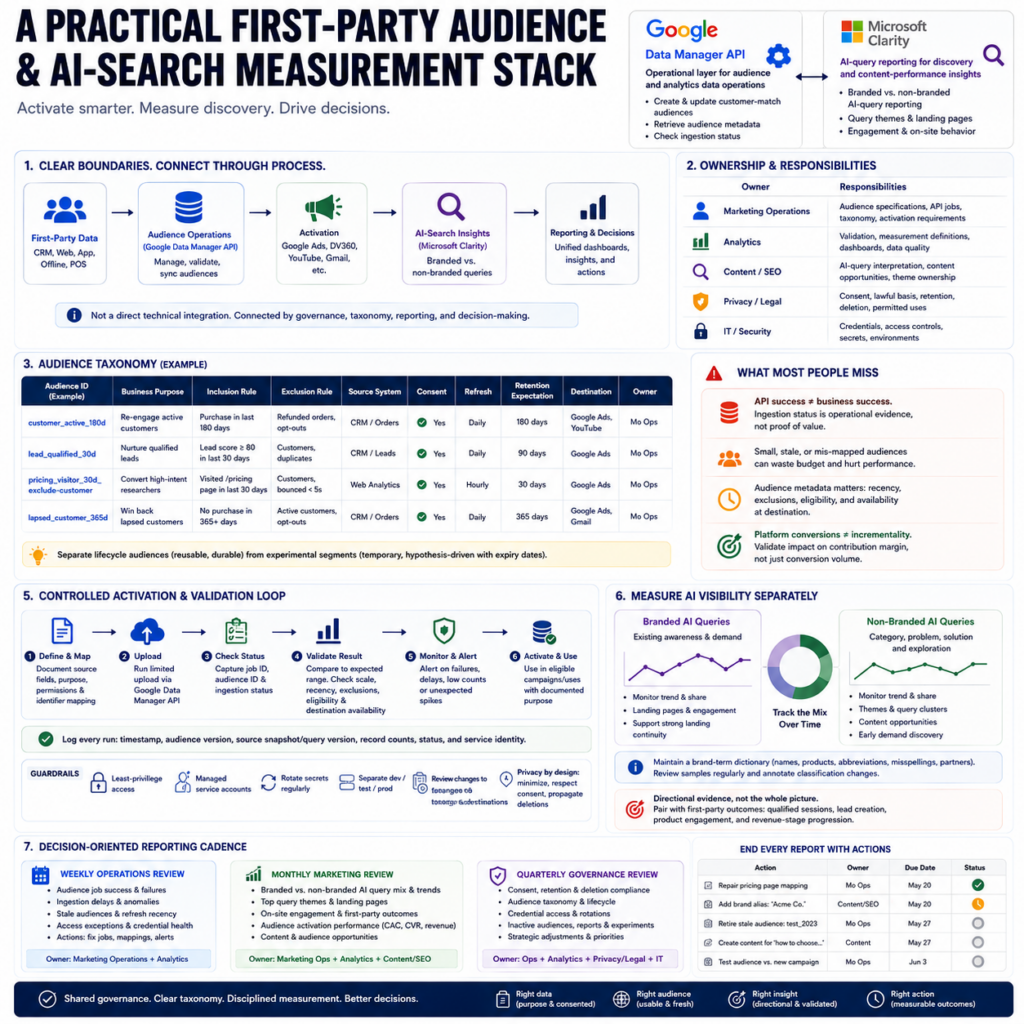
A Practical First-Party Audience and AI-Search Measurement Stack
Marketing operators face two related but distinct challenges: activating reliable first-party audiences and understanding how their brands appear in emerging AI-driven discovery. Google Data Manager API improvements and Microsoft Clarity’s branded-versus-non-branded AI-query reporting can help address those challenges, but they serve different purposes and should not be treated as a single integrated product stack. Google […]
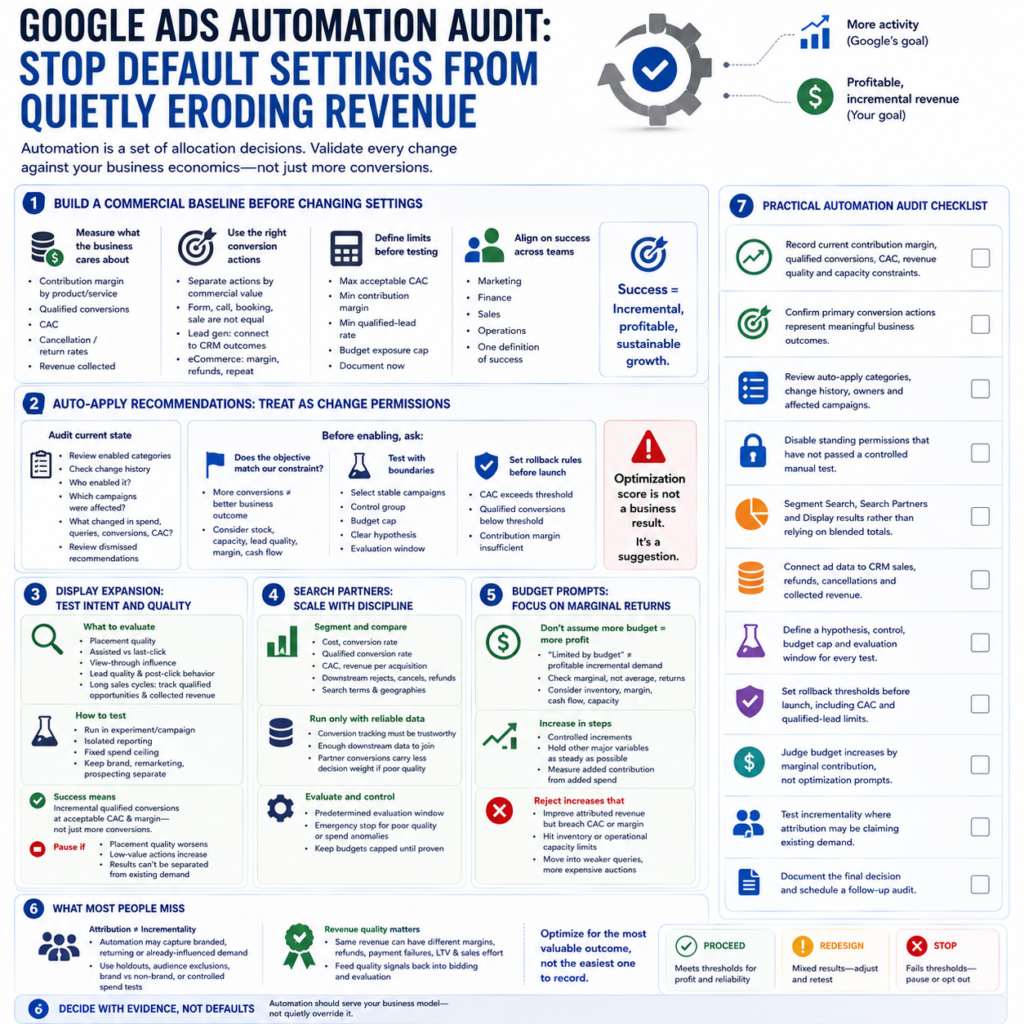
Google Ads Automation Audit: Stop Default Settings From Quietly Eroding Revenue
Google Ads automation is not inherently good or bad. It is a set of allocation decisions made by a platform whose objective—generating more advertising activity—does not perfectly match an operator’s objective of producing profitable, incremental revenue. That distinction matters. Search Engine Land reported a case in which following a platform “best practice” cost a client […]
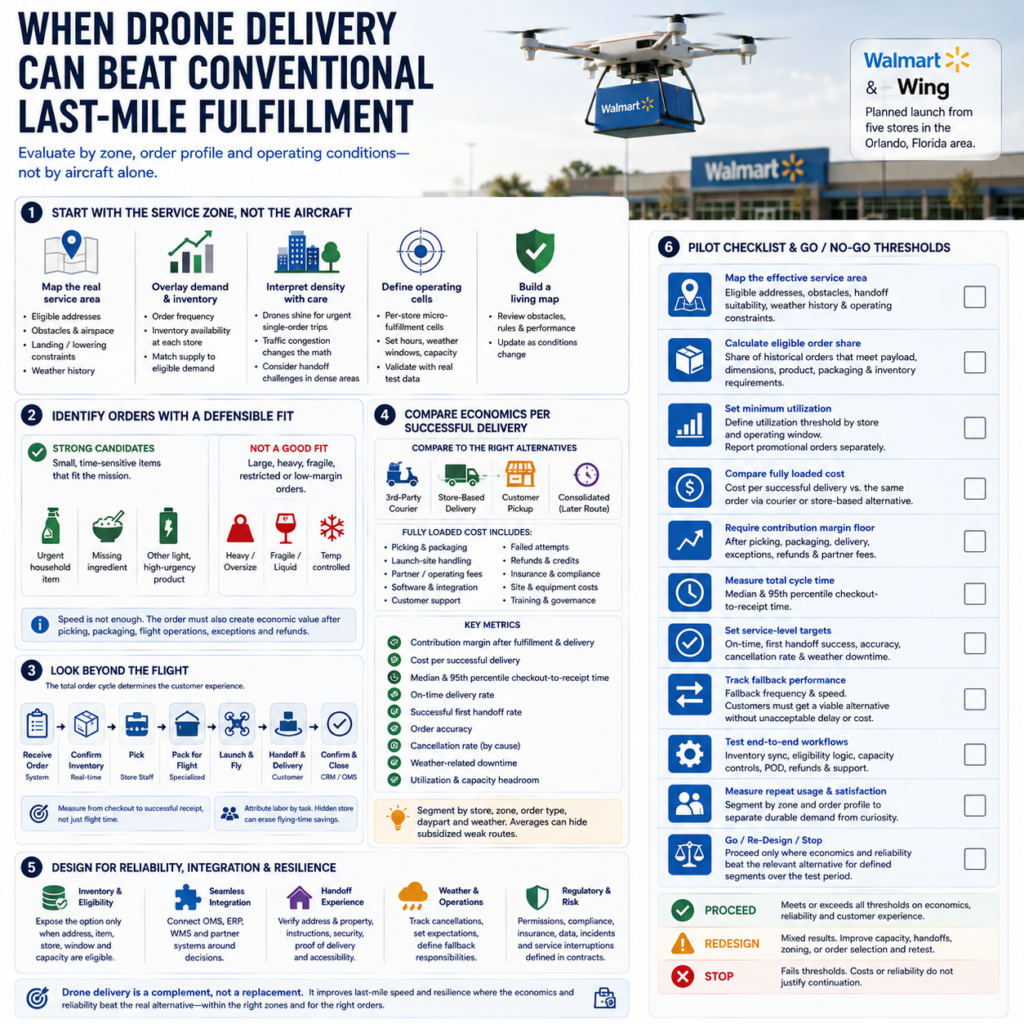
When Drone Delivery Can Beat Conventional Last-Mile Fulfillment
Walmart and Wing’s planned launch from five stores in the Orlando, Florida, area offers retailers a useful way to evaluate drone delivery without assuming it will replace conventional fulfillment. The relevant question is narrower: within which service zones, order profiles, and operating conditions can drones deliver a better outcome than couriers or store-based delivery? That […]
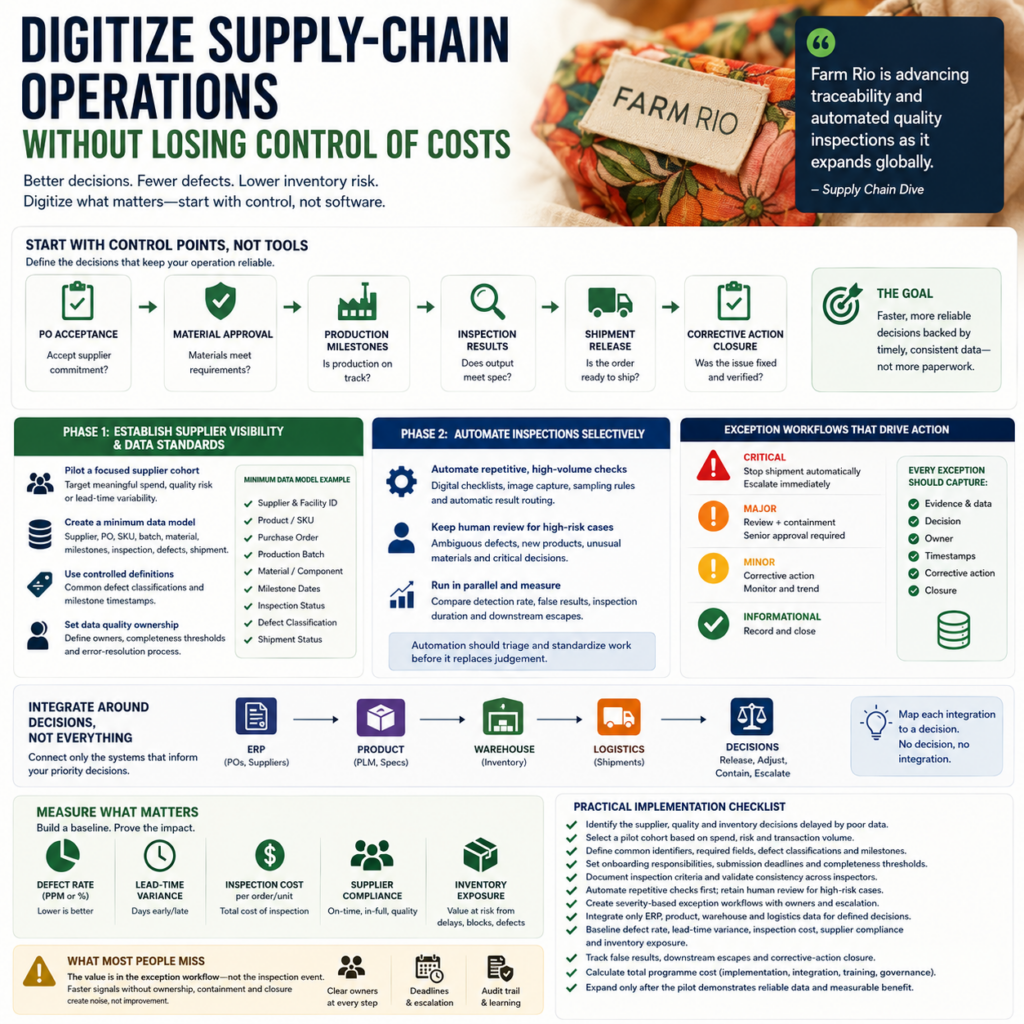
How to digitize supply-chain operations without losing control of costs
Supply-chain digitization can easily become an expensive software programme looking for a problem. Growing product businesses need a narrower objective: improve control over suppliers, quality, lead times and inventory without adding more systems than the operation can support. Farm Rio offers a useful operating case. As reported by Supply Chain Dive, the Brazilian fashion brand […]
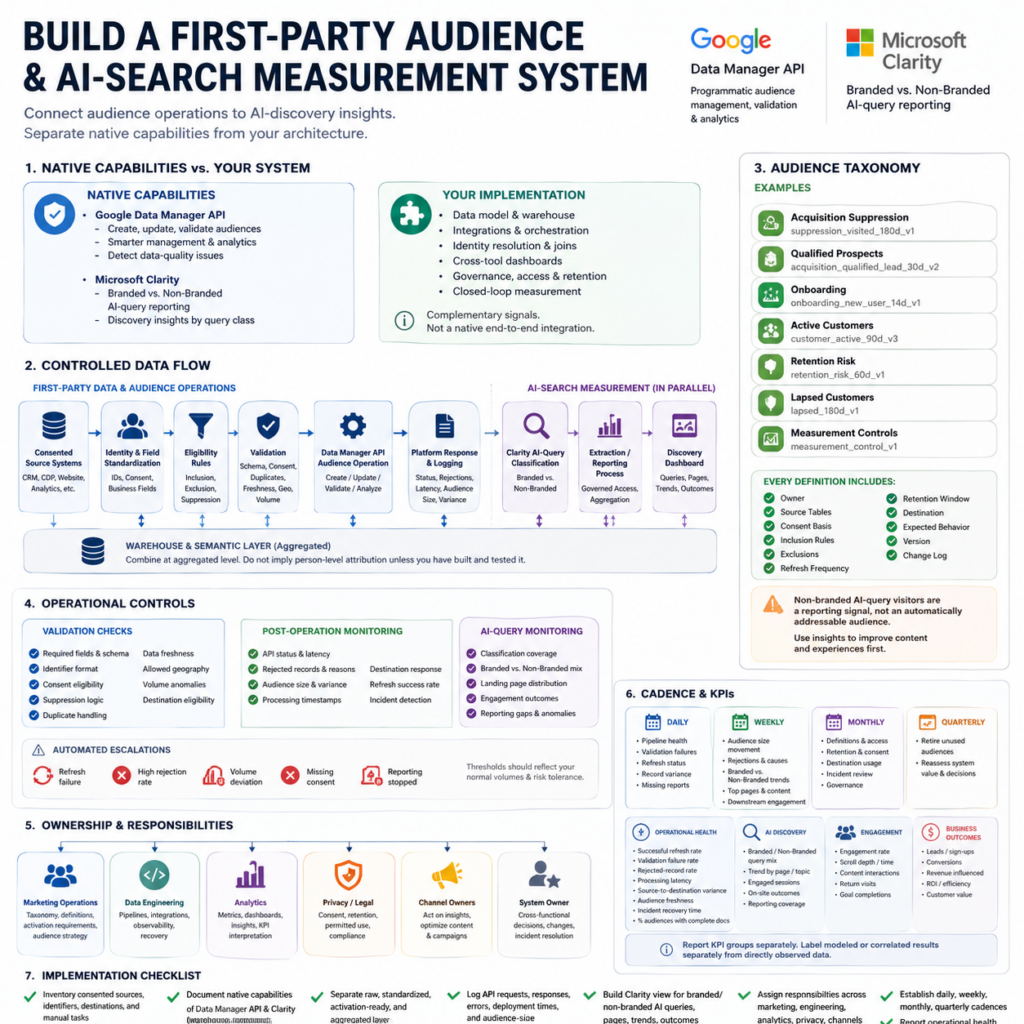
How to Build a First-Party Audience and AI-Search Measurement System
Marketing operators increasingly face two related problems: activating first-party audiences reliably and measuring discovery through AI-powered search. Google’s expanded Data Manager API capabilities and Microsoft Clarity’s branded versus non-branded AI-query reporting address different parts of that operating model. Google’s capabilities can help teams programmatically create, update, validate, and analyze audience data workflows. Clarity’s reporting can […]
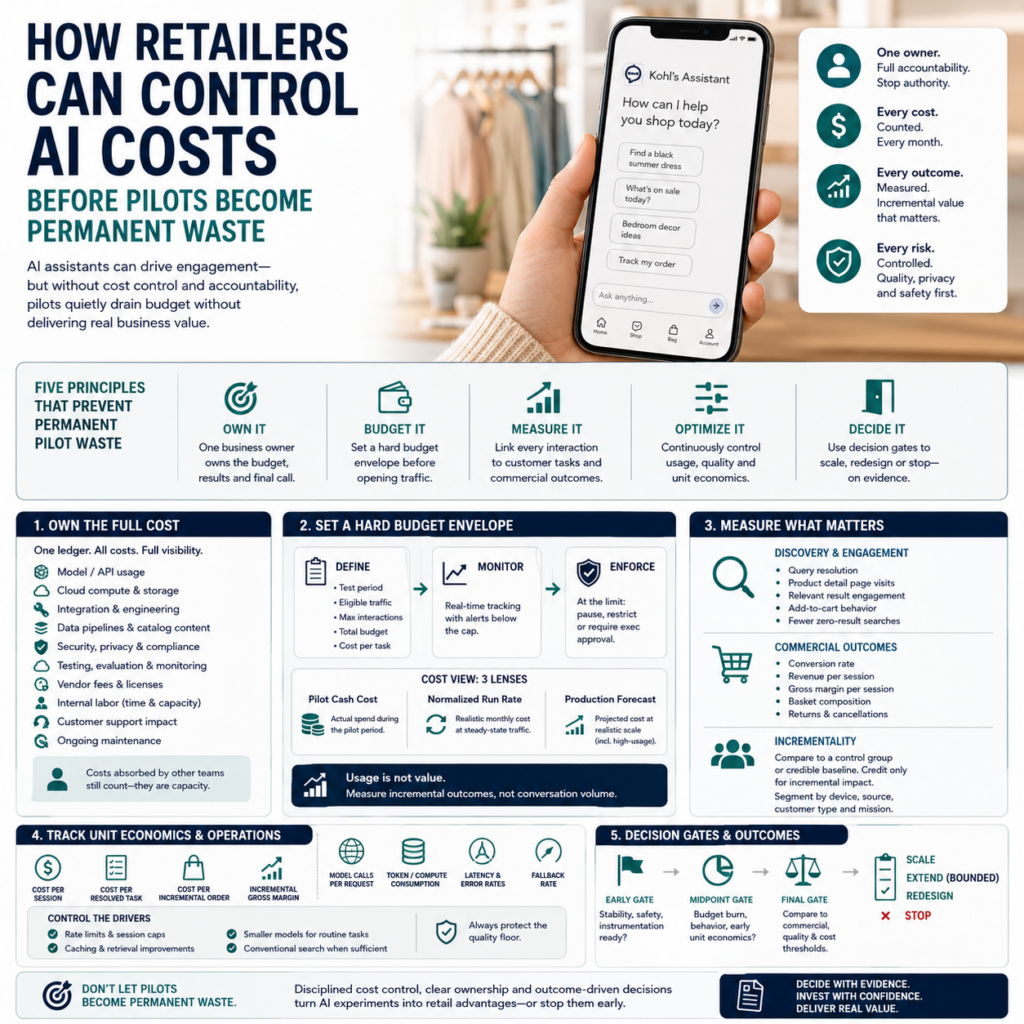
How retailers can control AI costs before pilots become permanent waste
Customer-facing AI can move from experiment to recurring expense faster than retailers can determine whether it creates value. A shopping assistant, for example, may require […] ...
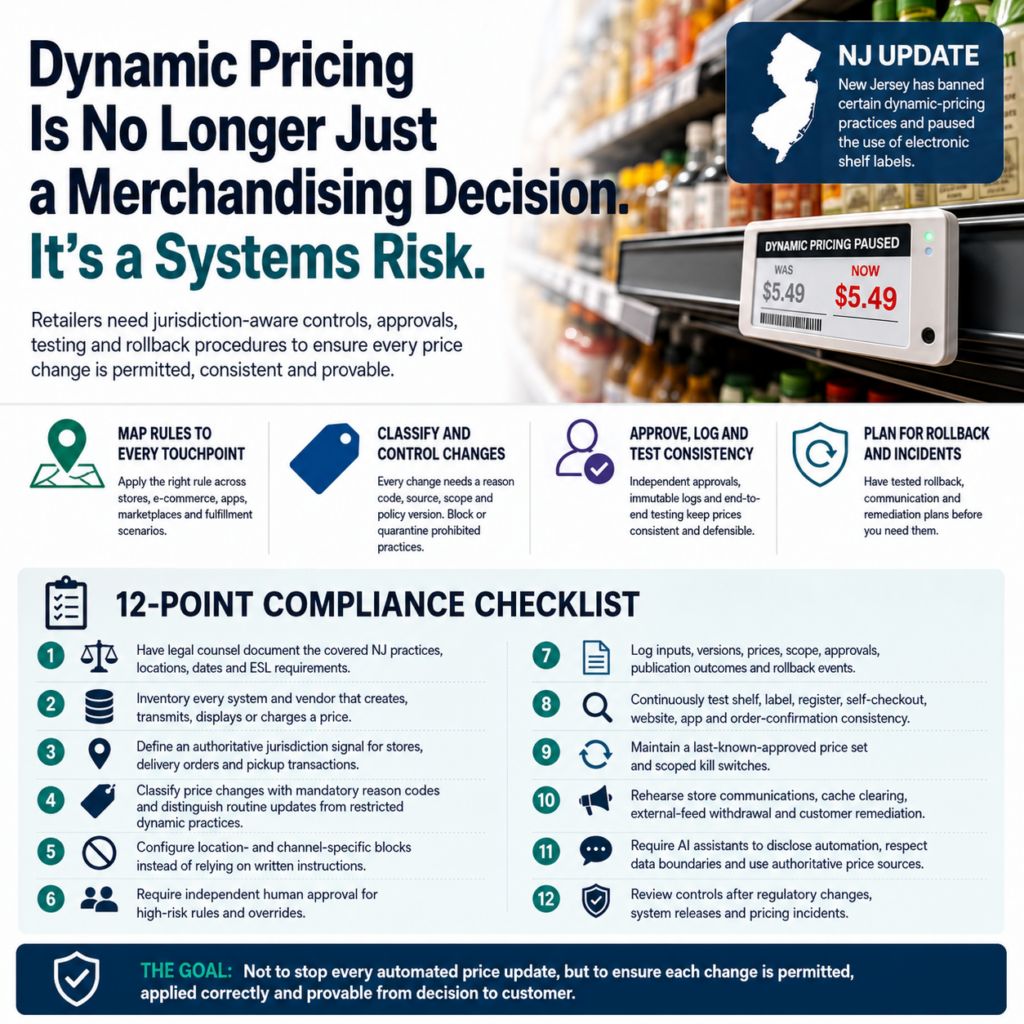
Dynamic-pricing regulation is now a retail systems risk
Dynamic pricing is no longer only a merchandising decision. For retailers operating automated pricing across stores, websites and apps, it is becoming a systems-governance issue: […] ...
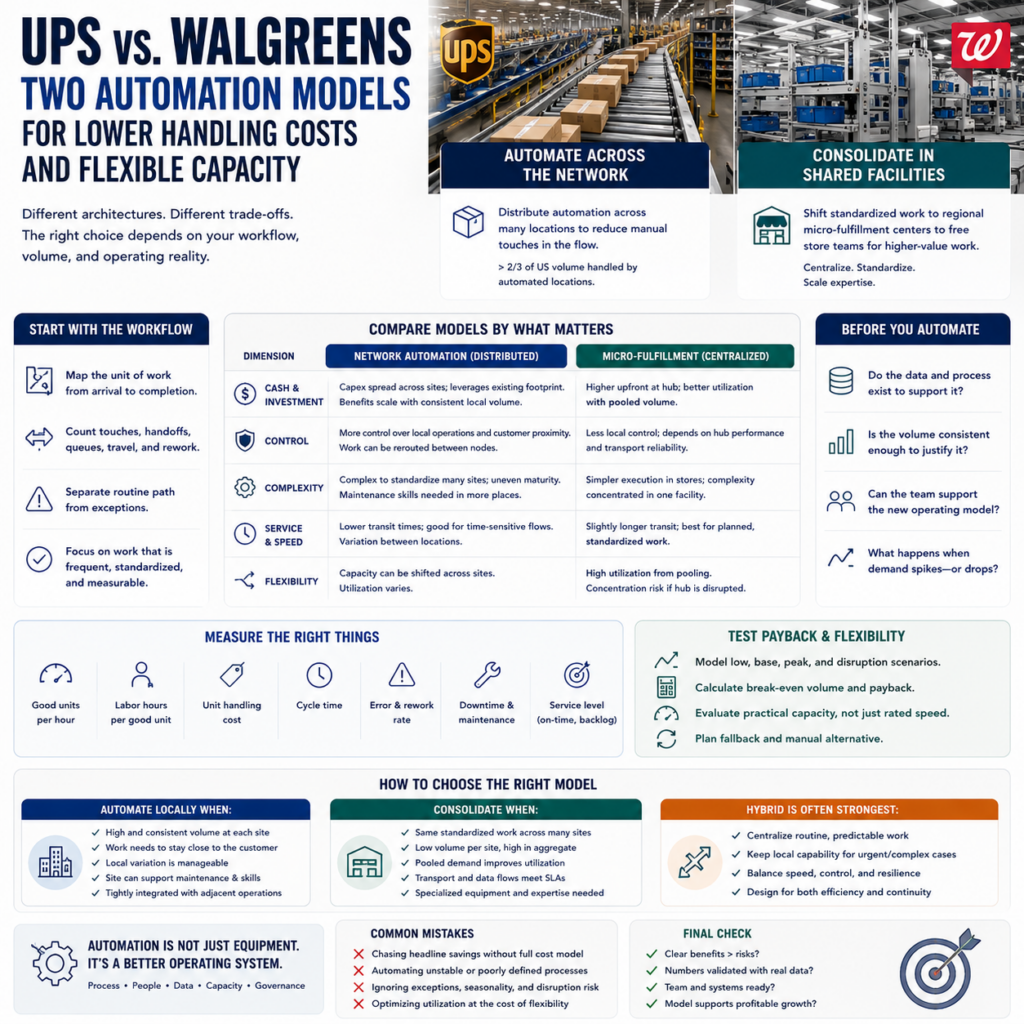
UPS vs. Walgreens: Two Automation Models for Lower Handling Costs and Flexible Capacity
High-volume automation is not one strategy. UPS and Walgreens illustrate two distinct architectures: automate work across an existing operating network, or consolidate repetitive work in […] ...
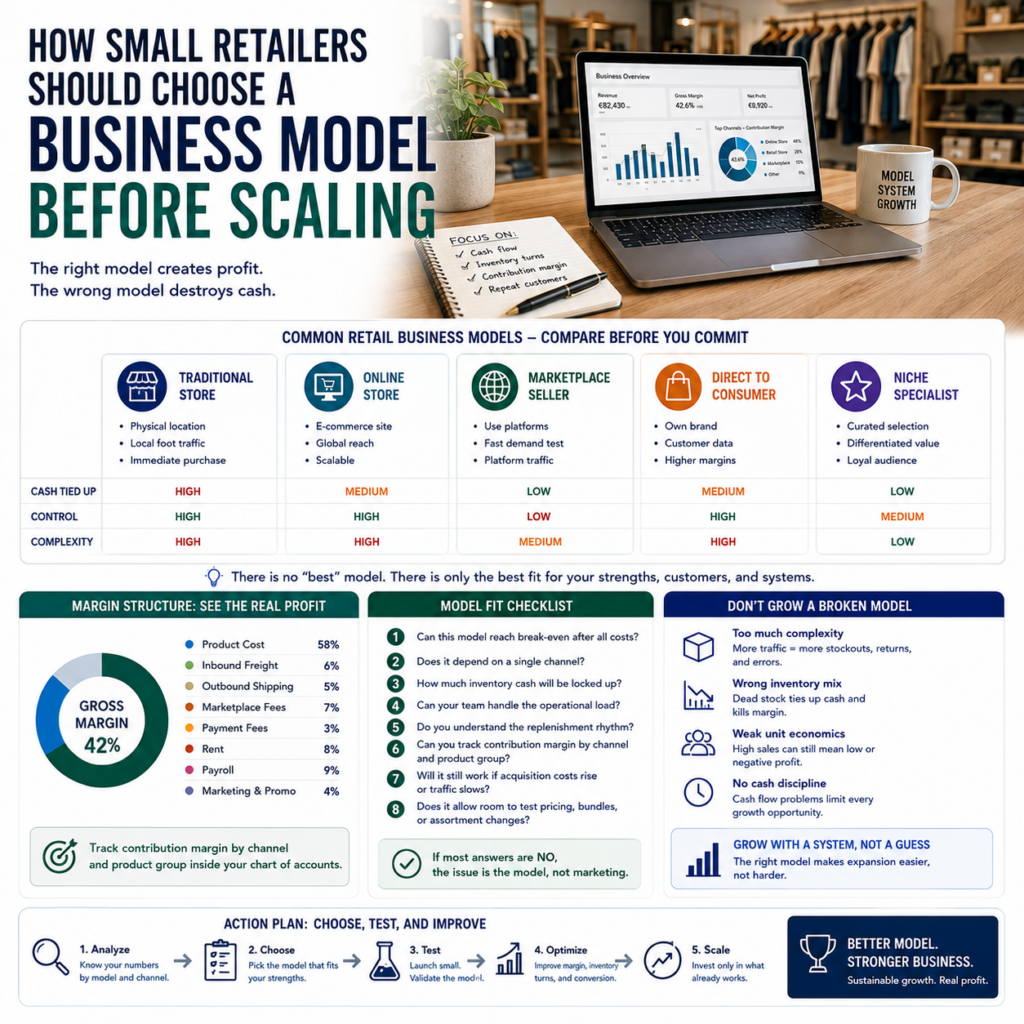
How Small Retailers Should Choose a Business Model Before Scaling
Retail growth is often framed as a marketing problem, but the real constraint is usually the business model. A store that sells the wrong mix […] ...