
Latest News
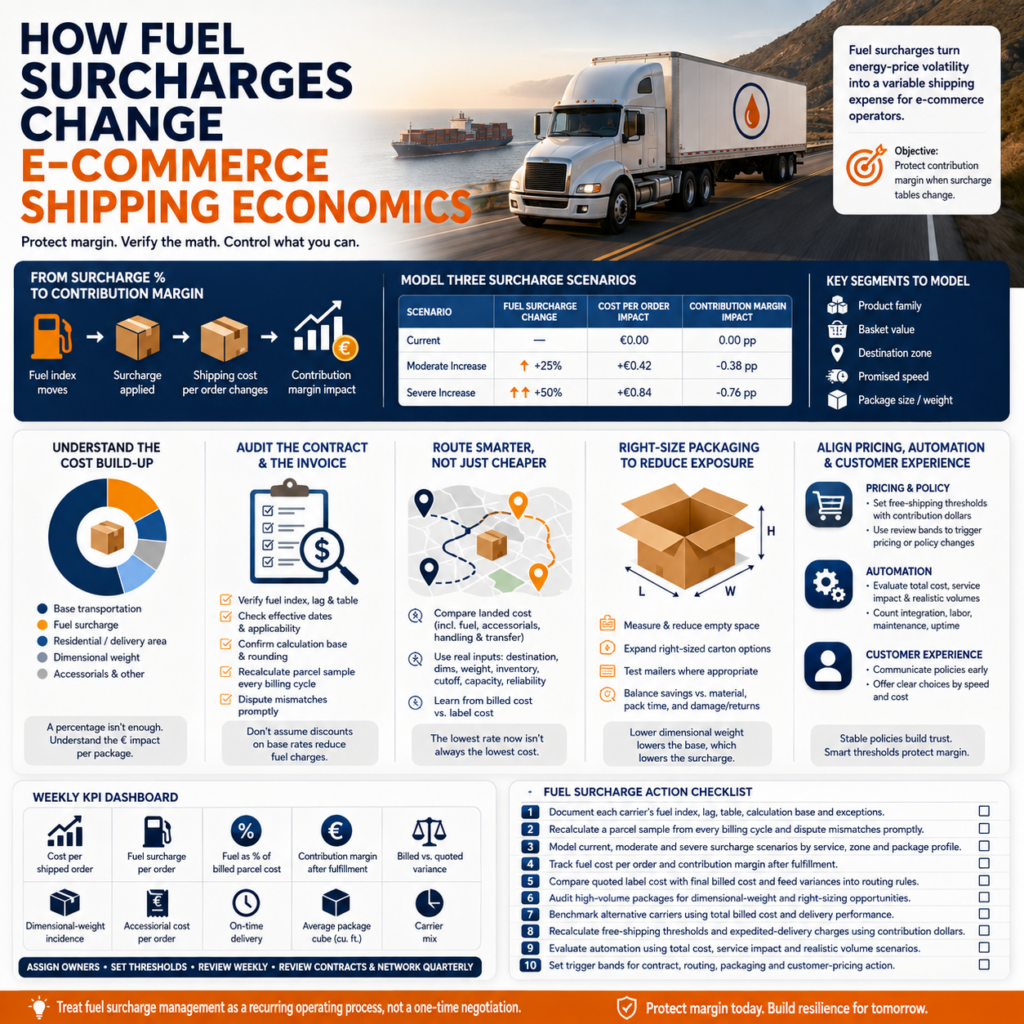
How Fuel Surcharges Change E-commerce Shipping Economics
Fuel surcharges turn energy-price volatility into a variable shipping expense for e-commerce operators. Instead of absorbing every increase in fuel costs, carriers can pass part of the change to shippers through a surcharge linked to a published fuel index and a carrier-defined schedule. That protects carrier economics, but it makes merchants’ cost per order less […]
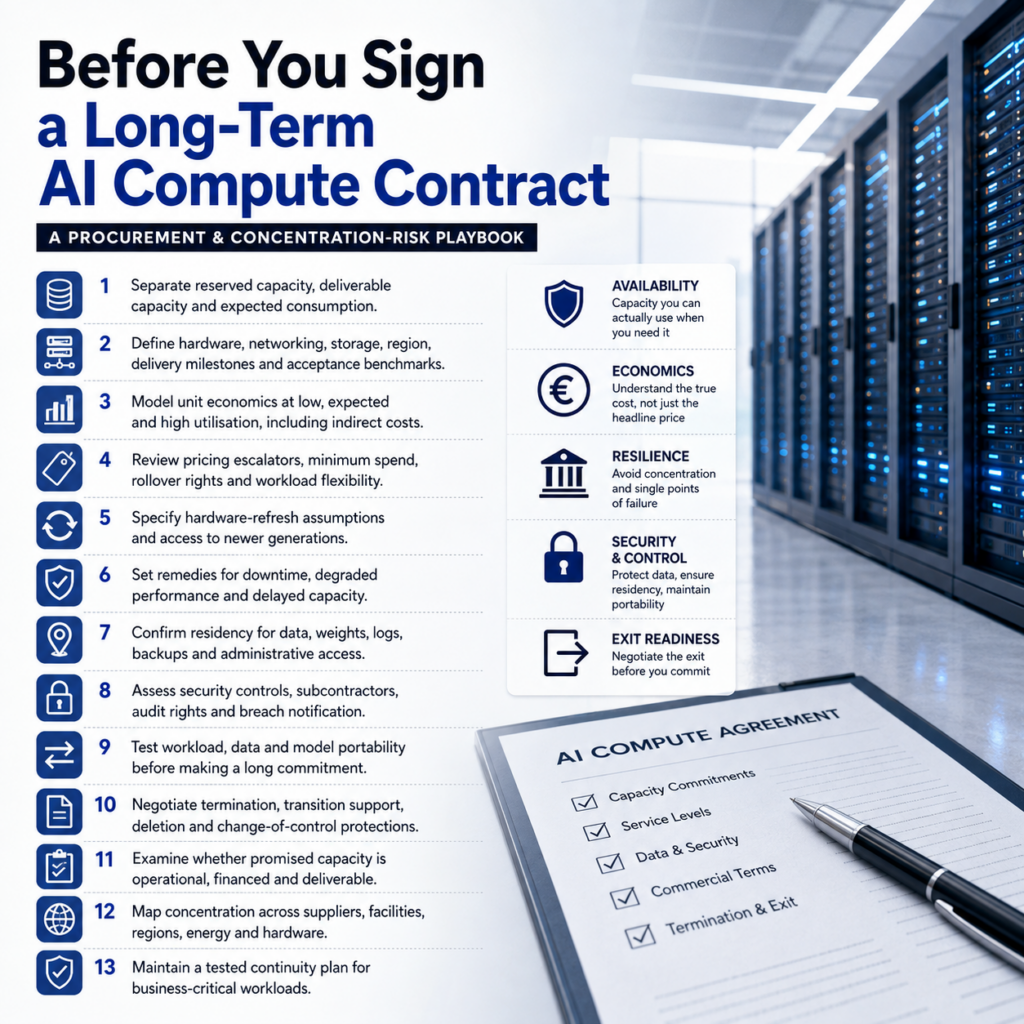
Before You Sign a Long-Term AI Compute Contract: A Procurement and Concentration-Risk Playbook
AI compute is no longer merely an infrastructure purchase. For companies scaling training, inference or AI-enabled products, it is becoming a long-duration capital allocation and operational resilience decision. Volta’s emergence from stealth illustrates the shift. The London AI cloud startup was reported at a €2.07 billion valuation, alongside a reported €8.6 billion compute agreement. The […]
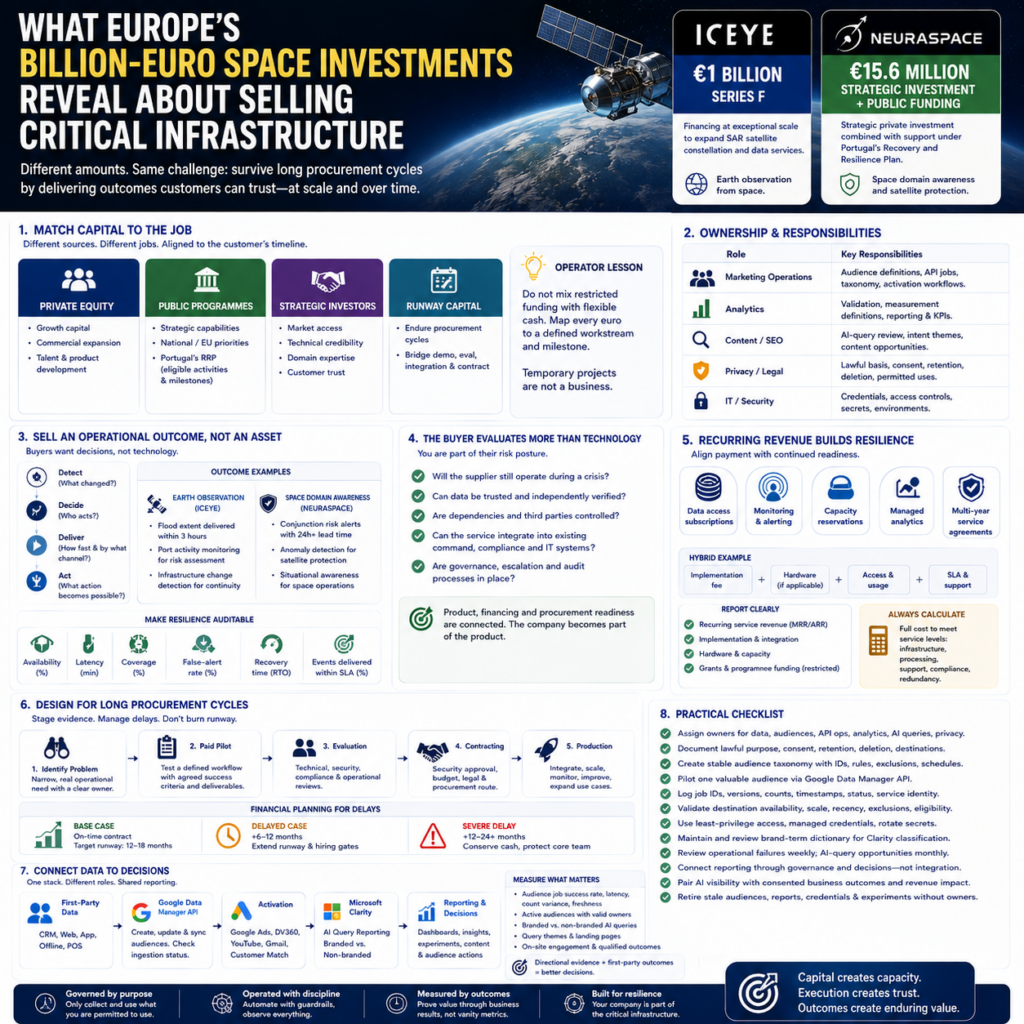
What Europe’s billion-euro space investments reveal about selling critical infrastructure
Europe’s space financing market is producing companies that look less like conventional software startups and more like infrastructure operators. Two recent transactions make that distinction useful: ICEYE announced a €1 billion Series F, while Portugal’s Neuraspace secured €15.6 million through strategic private investment and public funding. The amounts are radically different, but the operating question […]
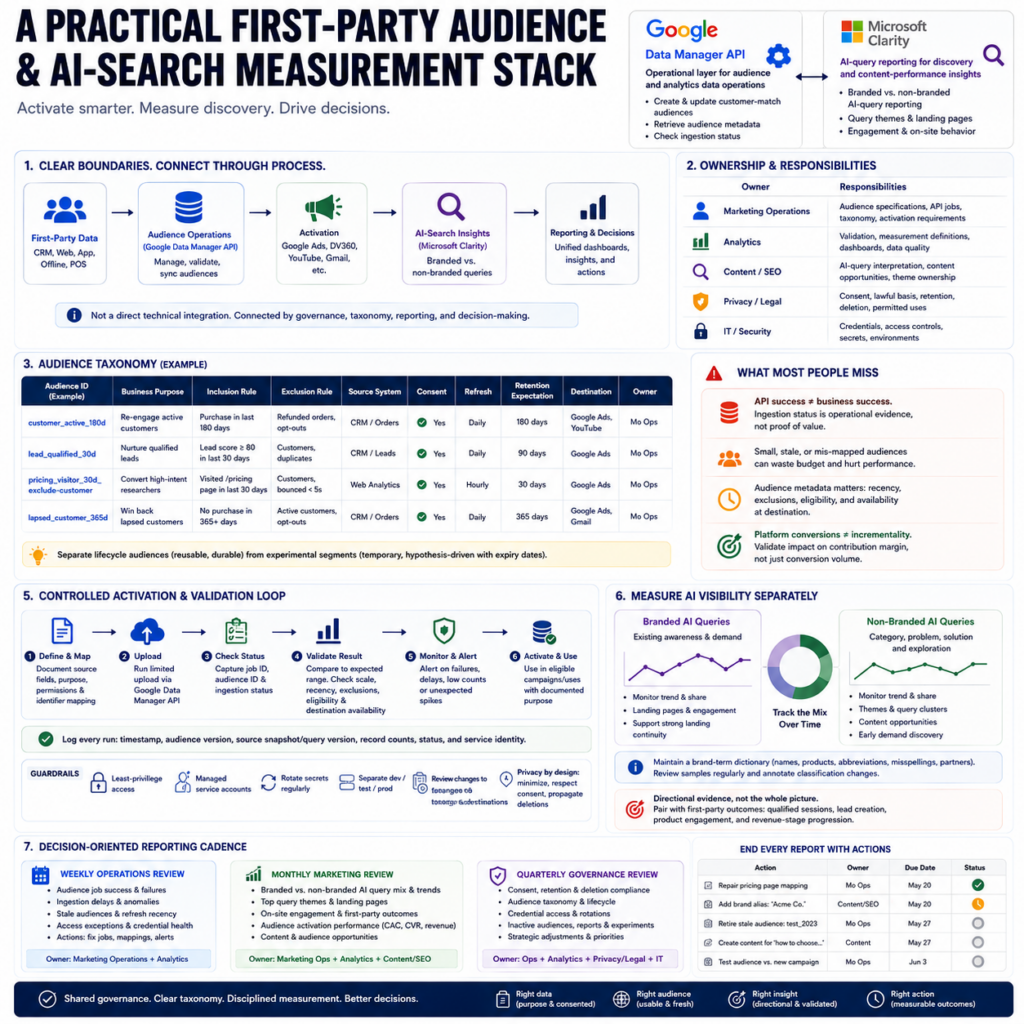
A Practical First-Party Audience and AI-Search Measurement Stack
Marketing operators face two related but distinct challenges: activating reliable first-party audiences and understanding how their brands appear in emerging AI-driven discovery. Google Data Manager API improvements and Microsoft Clarity’s branded-versus-non-branded AI-query reporting can help address those challenges, but they serve different purposes and should not be treated as a single integrated product stack. Google […]
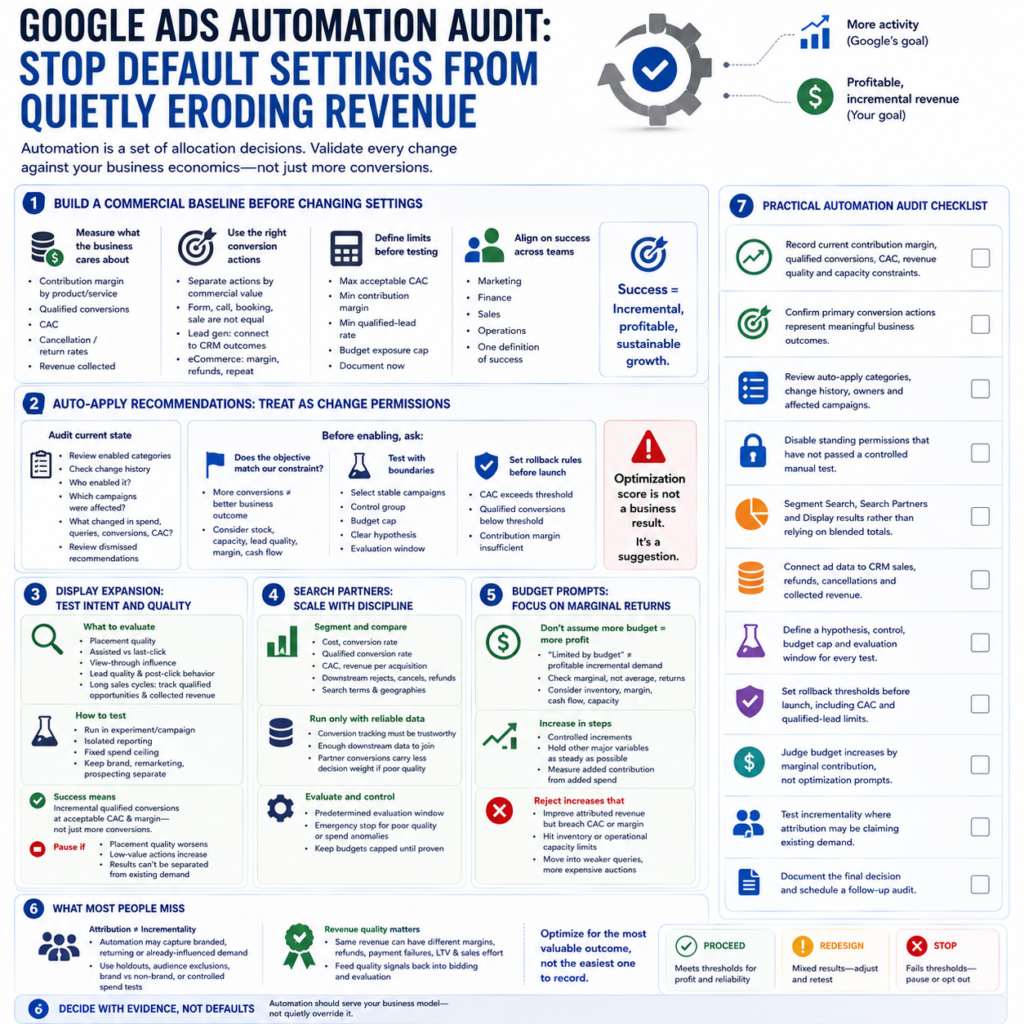
Google Ads Automation Audit: Stop Default Settings From Quietly Eroding Revenue
Google Ads automation is not inherently good or bad. It is a set of allocation decisions made by a platform whose objective—generating more advertising activity—does not perfectly match an operator’s objective of producing profitable, incremental revenue. That distinction matters. Search Engine Land reported a case in which following a platform “best practice” cost a client […]
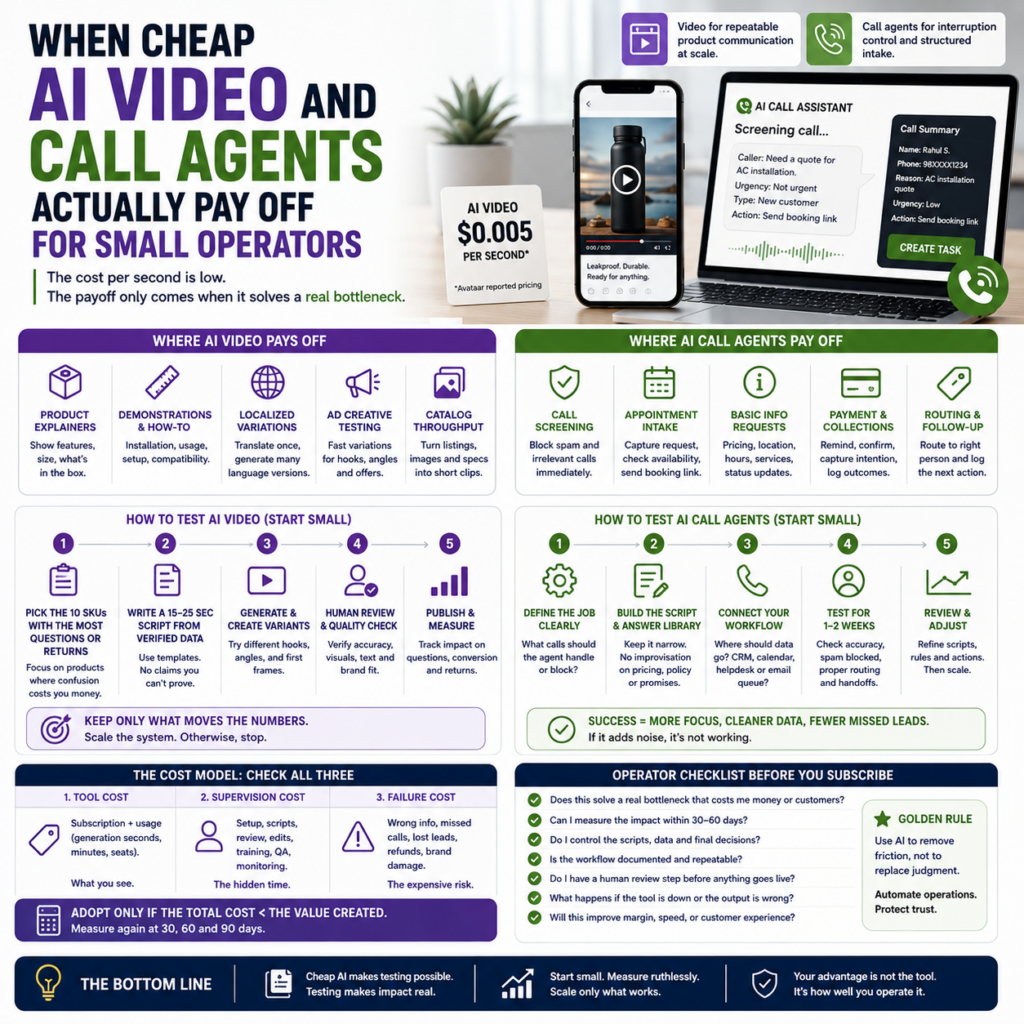
When Cheap AI Video and Call Agents Actually Pay Off for Small Operators
Two AI signals from India are worth watching if you run a small digital business: video generation is getting priced by the second, and AI […] ...
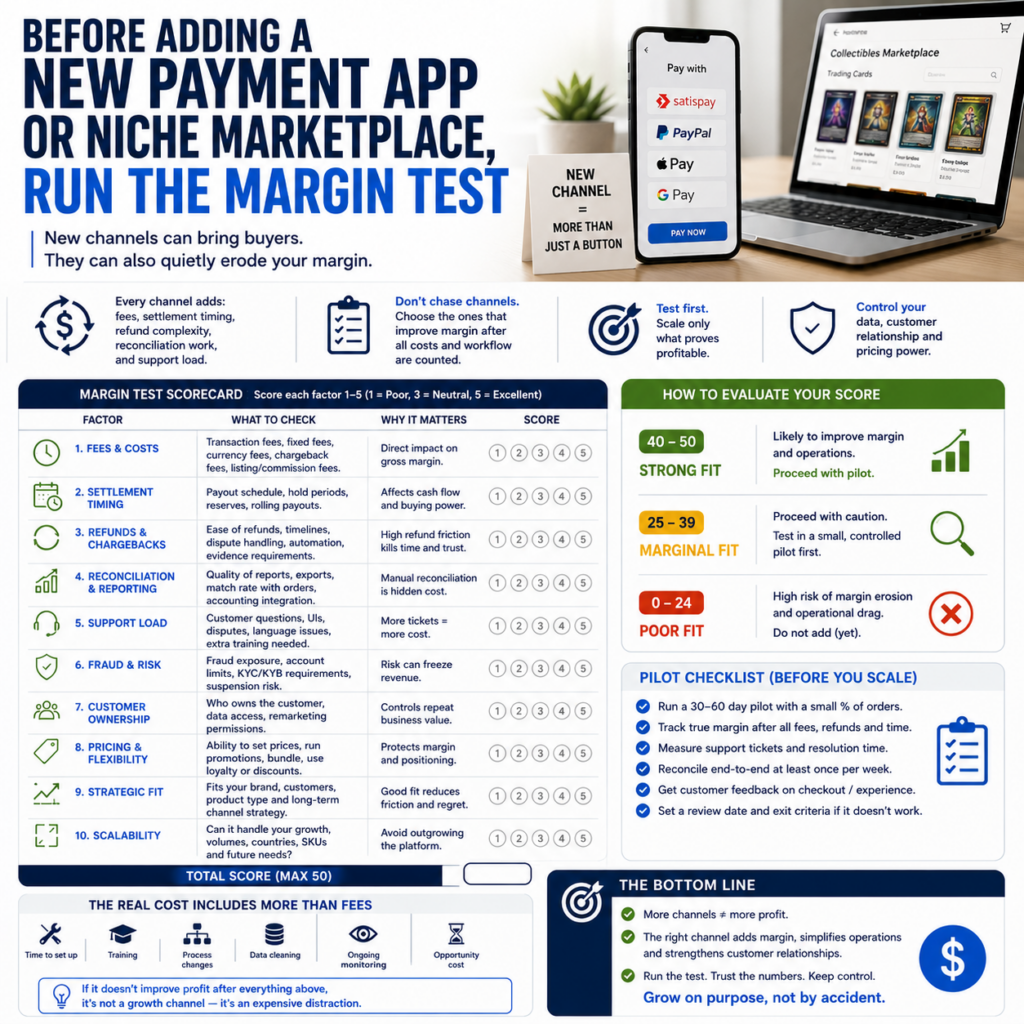
Before Adding a New Payment App or Niche Marketplace, Run the Margin Test
Satispay is planning a new capital raise to expand from payments into a broader financial platform, while CardNexus has raised pre-seed funding for a mobile-first […] ...
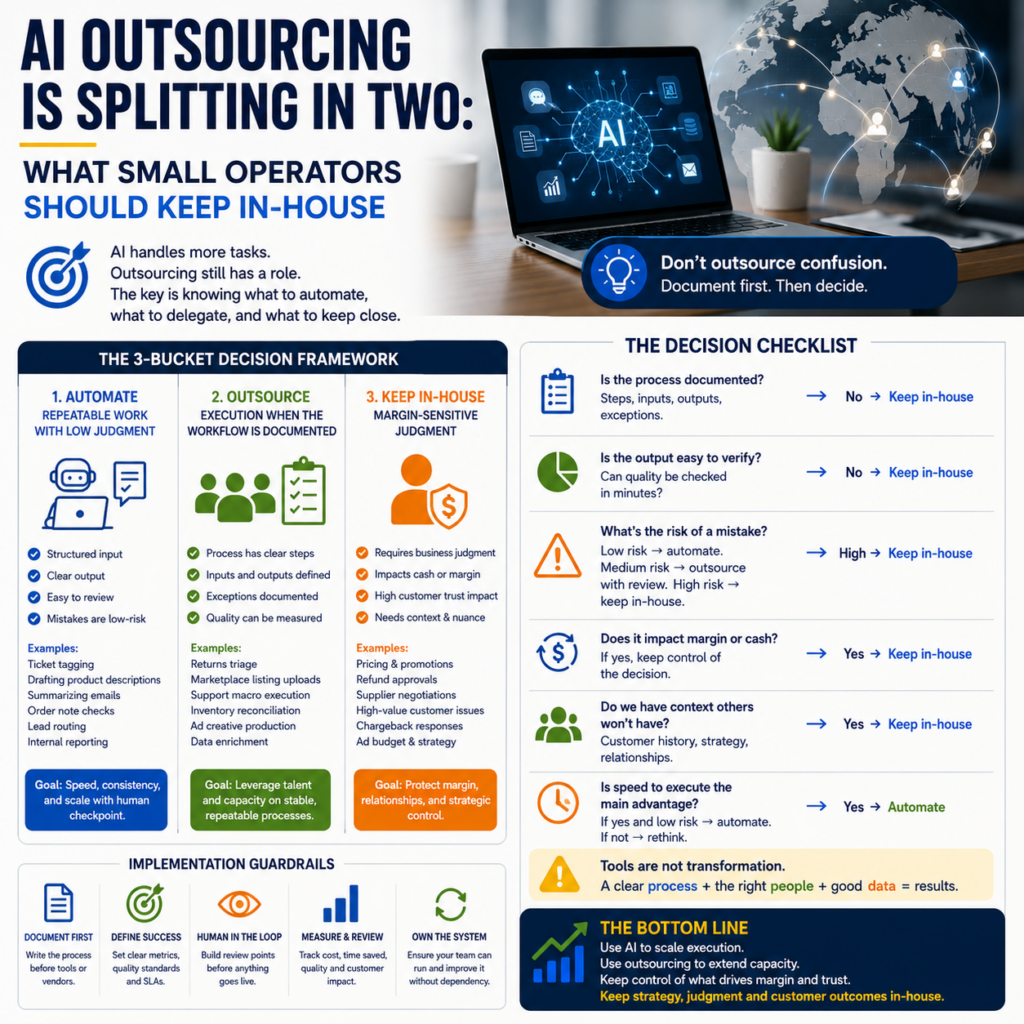
AI Outsourcing Is Splitting in Two: What Small Operators Should Keep In-House
Two AI signals landed in the same week and they point in opposite directions. Anthropic is working with Tata Consultancy Services to scale enterprise AI […] ...
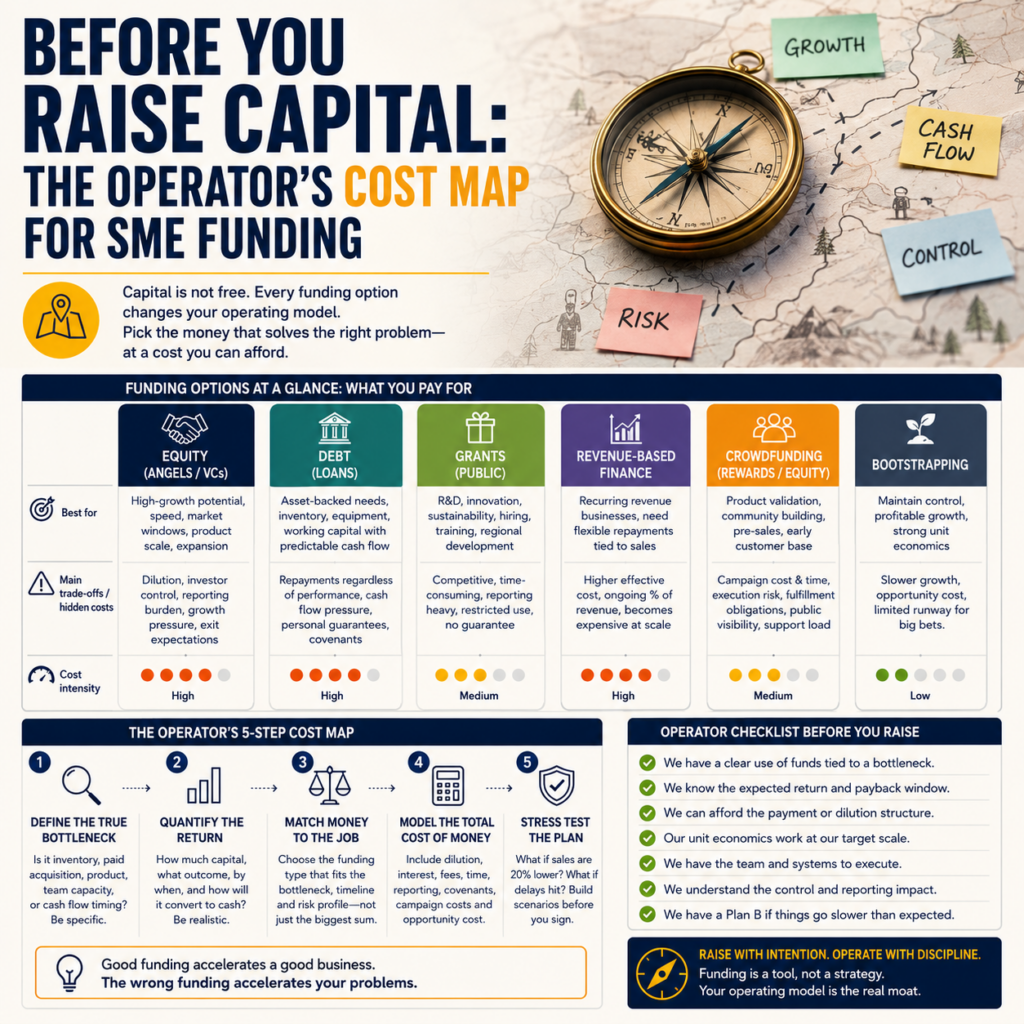
Before You Raise Capital: The Operator’s Cost Map for SME Funding
Most founders ask the wrong funding question first. They ask how much money they can raise, not what the money will do to their operating […] ...