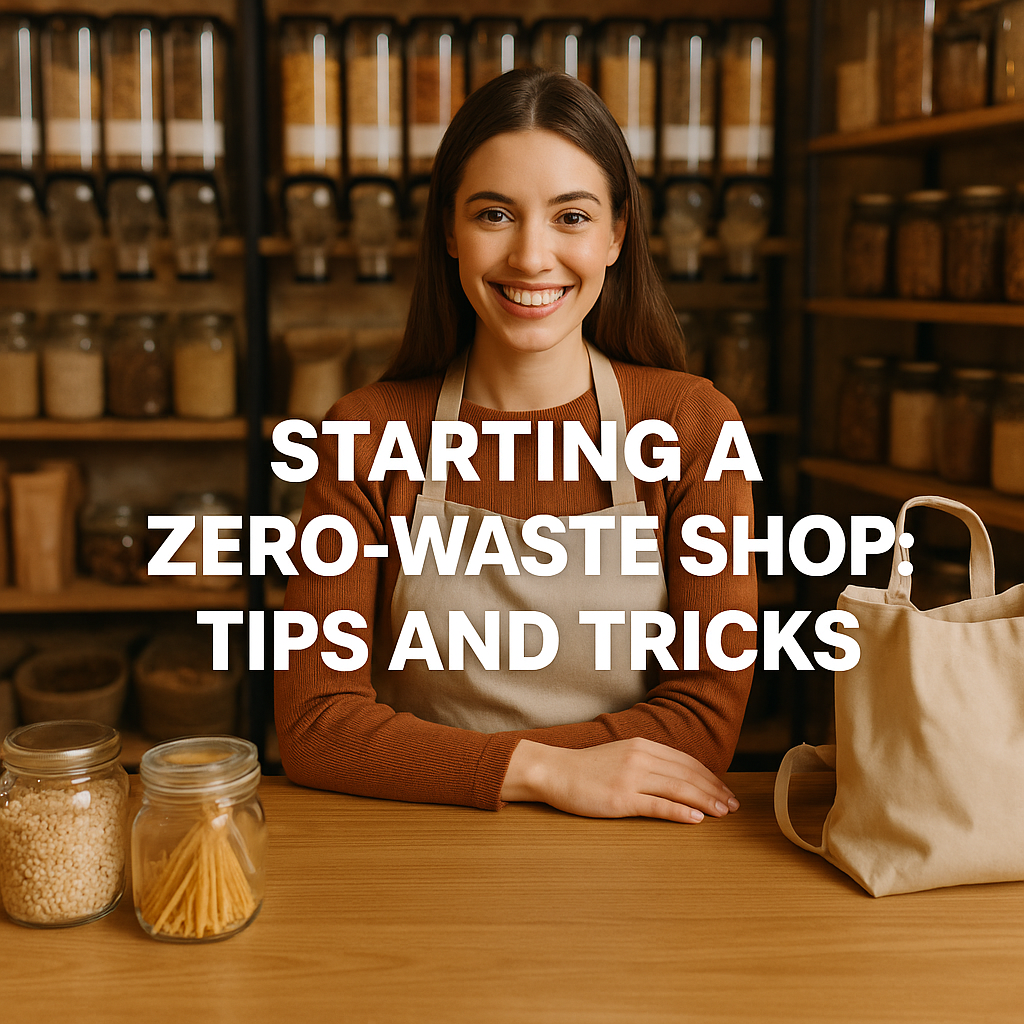
Launching a zero-waste shop is more than just opening a retail store—it’s a bold commitment to environmental stewardship and sustainable living. For entrepreneurs ready to enter this dynamic market, a well-rounded guide to sustainable zero-waste retail is essential. In this article, we provide actionable steps, share expert zero-waste shop startup tips, and highlight key considerations to help you build a green business that makes a real difference.
Defining Your Vision and Brand Identity
Begin your journey by clearly defining your vision and establishing a strong brand identity. What sets your store apart in a competitive market? A transparent mission statement focused on sustainability builds customer trust. Reflect on values such as reducing plastic waste, sourcing locally, and promoting renewable energy. These principles form the foundation of a unique selling proposition that resonates with eco-conscious buyers.
Leverage the power of brand storytelling by sharing your personal journey toward sustainability or explaining how your products reduce waste. A compelling narrative transforms everyday transactions into a community movement for positive environmental change.
Planning and Legal Considerations
With your vision in place, the next step involves thorough planning and research. Starting a zero-waste shop presents unique logistical challenges. From choosing the right location to ensuring local regulatory compliance, a comprehensive business plan is crucial. This plan should serve as both your sustainable retail business guide and a roadmap for growth.
Conduct market research to understand your potential customers. Identify the products they need, pinpoint market gaps in your area, and learn which zero-waste shop startup tips your competitors are using. Manage legalities such as permits, health guidelines, and supplier contracts meticulously. A solid organizational plan not only minimizes future obstacles but also earns investor confidence if you seek external financing.
Consider consulting small business advisors and exploring resources like Tiny Business or Entrepreneur websites. Expert insights, such as those found in Forbes articles on sustainable business practices, can further guide your green venture.
Curating a Thoughtful Product Range
Your product selection must align with your mission and meet genuine customer needs. When strategizing how to start a zero-waste shop, focus on curating products that inspire eco-friendly habits. Prioritize locally sourced, biodegradable items, reusable goods, and products with minimal packaging. Collaborate with local suppliers who share your commitment to sustainability to ensure ethical sourcing and strengthen community ties.
Consider innovative offerings such as bulk edible items, refill stations for cleaning supplies, and personal care products like shampoo bars or toothpaste tablets. Encourage customers to bring their own containers to enhance personalization. Hosting in-store workshops and demonstrations not only reinforces waste management best practices but also positions your shop as a hub of eco-innovation and community learning.
Marketing Your Zero-Waste Initiative
Effective marketing is key to spotlighting your sustainable concept. Utilize social media to chronicle your business journey, showcase your sustainable practices, and share customer testimonials about the benefits of eco-friendly shopping. Engaging content—from behind-the-scenes looks at your sourcing process to video interviews with satisfied customers—can significantly boost your brand’s appeal.
Implement search engine optimization (SEO) strategies to enhance your online visibility. Integrate natural keywords such as “how to start a zero waste shop” and “zero waste shop startup tips” throughout your content to attract organic traffic from eco-conscious entrepreneurs. Additionally, share expert advice through blog posts, interviews, or webinars. Partnering with innovative business resources, like those available at MakeBusiness, can further establish your credibility within the industry.
Offline marketing is equally important. Participate in local events, green fairs, or organize pop-up shops to build brand presence. Word-of-mouth remains a powerful tool, especially when your brand is recognized for environmental responsibility and community engagement.
Leverage partnerships and co-branding opportunities to amplify your zero-waste message. Continuously gather customer feedback and refine your product offerings to stay ahead of market trends and meet evolving sustainability goals.
Launching any business requires resilience, and a sustainable venture is no exception. Embrace innovation, maintain flexibility in your strategy, and keep your environmental mission at the forefront. With passion and meticulous planning, you can build a thriving zero-waste enterprise that achieves financial success while protecting our planet.
- Establish a clear brand vision rooted in sustainability
- Develop a comprehensive plan with thorough legal and market research
- Select eco-friendly, locally sourced products that engage the community
- Implement effective online and offline marketing strategies for visibility and growth