Exploring the Mobile Culinary Landscape
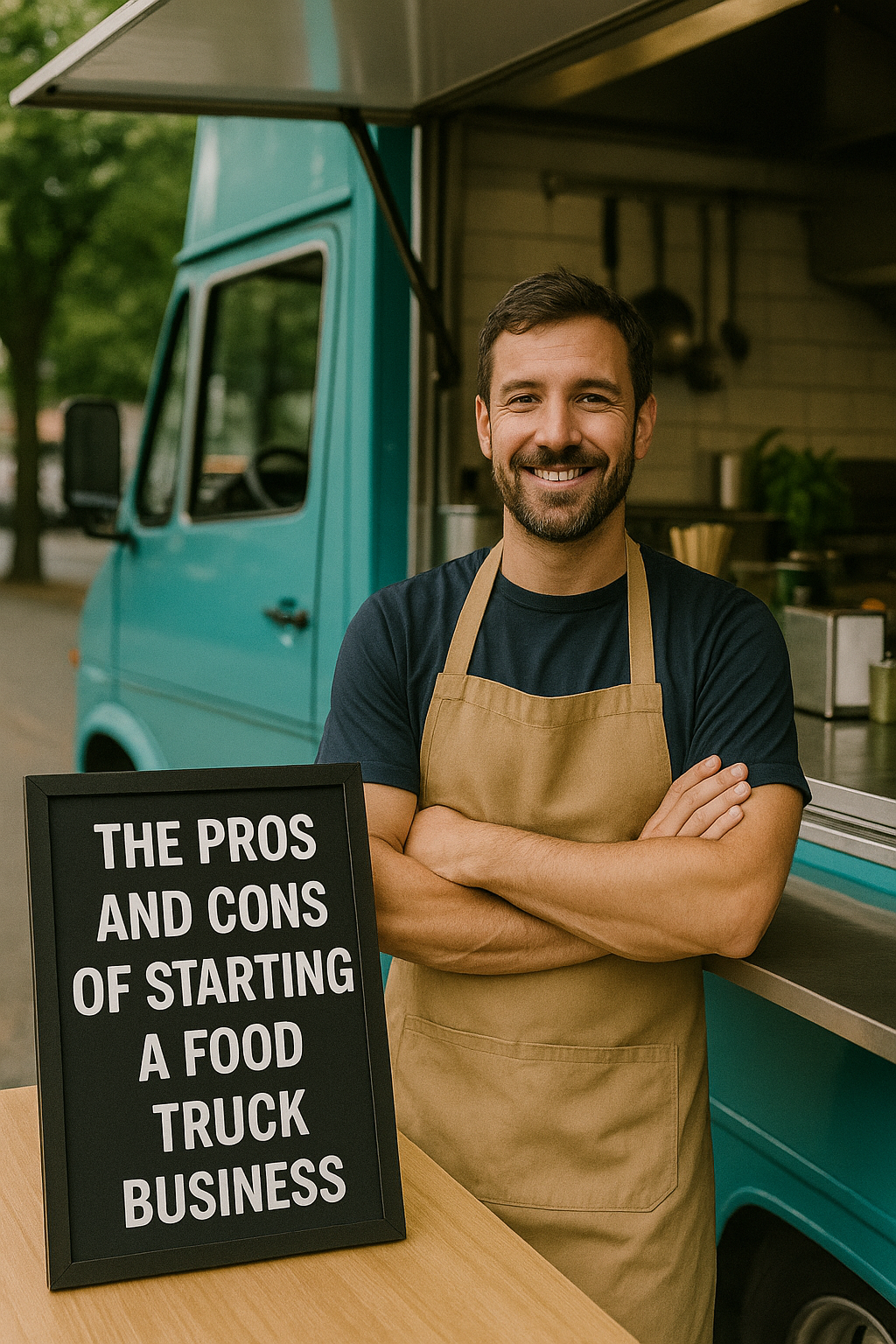
The idea of taking a beloved food concept on the road can be both inspiring and challenging for entrepreneurs and small business owners. A journey into the mobile food scene offers a unique blend of creativity and financial independence while presenting both opportunities and obstacles. This guide to starting a food truck business provides a balanced view of the food truck startup pros and cons, helping you understand the advantages and disadvantages of launching your own mobile kitchen. For more detailed strategies on launching your culinary venture, check out our Starting a Food Truck Business post.
Evaluating this dynamic market reveals that every benefit is paired with a potential hurdle. Gaining insight into these intertwined realities is essential before embarking on your entrepreneurial journey. The sections below will walk you through financial considerations, operational logistics, and strategic planning, empowering you to make well-informed decisions about your venture.
The Allure of the Food Truck Model
One of the biggest draws of a mobile food business is the significantly lower start-up cost compared to traditional restaurants. With reduced expenses in property, staffing, and long-term leases, the financial barrier is often less daunting. This affordability allows entrepreneurs to experiment with gourmet concepts and fusion recipes, adapt quickly based on customer feedback, and test market trends without a massive initial outlay.
Mobility is another key advantage of the food truck model. Unlike stationary eateries, food trucks can move locations to target diverse demographics—from busy downtown areas at lunchtime to local festivals on weekends. This strategic flexibility enables owners to capitalize on real-time consumer trends and adapt their services on the fly, merging innovation with adaptability to foster business success.
The opportunity to build a unique brand identity is an additional benefit. A well-designed food truck that reflects local culture or taps into niche culinary trends can quickly become a community favorite. Personal, face-to-face interactions often lead to stronger customer loyalty and organic word-of-mouth promotion, making your brand stand out in today’s competitive market.
Navigating the Challenges of a Mobile Venture
Despite its many benefits, running a food truck presents several challenges that should be taken into account. One of the primary concerns is regulatory compliance. Local zoning laws, health department requirements, and parking permits vary widely from one city or neighborhood to another, potentially causing unexpected delays and additional expenses as you move between jurisdictions.
Weather and seasonal fluctuations add an extra layer of complexity. A model that thrives in warm, sunny conditions may struggle during the colder months or in unpredictable weather. Entrepreneurs can counter these challenges by planning seasonal menus, adjusting operating hours, or partnering with indoor event organizers, ensuring that the business remains resilient throughout the year.
The constraints of limited kitchen space also impact daily operations. Managing inventory and maintaining consistency in food quality can be challenging during peak service times. Creative adaptations in recipes and efficient workflow management are critical to maximizing a small kitchen’s potential without compromising performance.
Location uncertainties further complicate the food truck business. Choosing spots with high visibility and continuous foot traffic is key, yet maintaining consistent success with a mobile setup is difficult. For more practical advice, resources available on platforms like makebusiness.eu offer valuable insights to navigate these local challenges.
Balancing Financial and Operational Strategies
Successful food truck ventures depend on solid financial planning combined with smart operational strategies. While the initial investment can be more manageable than that of a brick-and-mortar restaurant, unexpected costs—such as vehicle maintenance, health inspections, or emergency repairs—can quickly add up. Establishing a contingency fund and maintaining detailed expense records from the very start are critical practices for sustainable growth.
Operational efficiency is equally important. Entrepreneurs need to curate their menu offerings carefully, optimize kitchen workflows, and leverage modern technology to streamline transactions. Implementing mobile payment systems and engaging customers via real-time social media can enhance service during busy periods, reinforcing your brand’s reputation in an increasingly competitive market.
Establishing a strong value proposition in a competitive marketplace is another financial strategy to consider. Differentiating your food truck with unique branding and innovative culinary offerings can transform your business into a local landmark. Many successful operators use seasonal menus and locally sourced ingredients to establish a deep connection with their communities, turning potential challenges into opportunities for creative expression.
The agility of a mobile business requires ongoing flexibility. Balancing workload, managing variable demand across different locations, and regularly monitoring expenses are crucial for long-term success. Continuously refining your business model in response to real-time feedback will help you effectively navigate the food truck business startup pros and cons as your venture grows.
Transforming Passion into a Profitable Business
At its core, launching a food truck business demands a blend of passion and pragmatic planning. In today’s dynamic culinary world—where trends increasingly favor sustainable and locally sourced ingredients—a well-defined niche can transform your mobile venture into a community favorite. Merging creative enthusiasm with robust operational strategies is key to long-term success.
For instance, aligning your menu with local trends can turn an ordinary service day into a vibrant community event. Building relationships with local suppliers and community organizers not only secures quality ingredients but also boosts your business’s visibility. Success stories featured on platforms such as Forbes and Entrepreneur highlight how strategic partnerships and community engagement can elevate small-scale food trucks into must-visit culinary destinations.
Planning for potential risks is equally important. Every business faces uncertainties, and the challenges of managing a mobile operation require vigilance and informed decision-making. Regular market research and contingency plans for off-peak seasons can help you mitigate slow periods without sacrificing service quality. Viewing every challenge as an opportunity for growth is essential to mastering the food truck industry.
While establishing and running a food truck business is undoubtedly demanding, the rewards are substantial. The ability to quickly test market trends, build a loyal customer base through direct engagement, and operate within a flexible, cost-efficient model makes this venture an attractive option for many aspiring entrepreneurs.
Deciding to enter the world of food trucks means marrying a passion for culinary art with a clear-eyed understanding of both operational and financial challenges. By carefully weighing the food truck startup pros and cons, you can develop a strategy that maximizes your strengths while proactively addressing potential hurdles. For additional insights on managing operational challenges and financial planning, be sure to visit our post on Operational and Financial Strategies.
- Lower start-up costs and the flexibility of mobility offer significant advantages.
- Limited kitchen space, regulatory hurdles, and seasonal changes present key challenges.
- Thorough planning and operational efficiency are crucial for success.
- Leveraging local trends and community engagement can turn challenges into opportunities.