Entering the realm of online payments can seem overwhelming for entrepreneurs and small business owners. With a broad range of options available, choosing the right online payment gateway is crucial for smooth transactions and enhanced customer trust. In today’s digital landscape, blending convenience with top-notch security is essential. This article guides you through selecting the optimal payment solution for small businesses by focusing on affordability, security, and seamless integration. Understanding the Online Payment Landscape for Small Businesses Digital transformation has made online payments a business necessity rather than a luxury. In an era where every click matters, customers expect a fluid journey from browsing to checkout. It is imperative to choose a secure payment processing solution tailored to your business’s unique requirements. Recent payment processors offer features such as multi-currency support, mobile payment integration, and robust fraud prevention tools. However, each solution has its benefits and challenges. Some platforms may offer competitive rates yet fall short on customer support, while others may excel in service but come at a higher cost. Assess your transaction volume, target audience, and available resources to make an informed decision. Key Features to Look for in an Online Payment System Security and Compliance Security is a non-negotiable element in online payment processing. Your payment gateway should adhere to industry standards like PCI-DSS and include advanced features such as fraud detection, encryption, and multi-factor authentication. Protecting sensitive card details and customer data not only preserves your brand reputation but also enhances customer confidence. Choosing a secure payment solution reduces the risk of chargebacks and disputes, ensuring consistent cash flow—a critical factor for any growing business. Affordability and Scalability Many small business owners worry that powerful payment technology comes with a high price tag. Fortunately, numerous providers offer affordable online payment processing solutions designed for startups and expanding enterprises. When evaluating options, consider not only the initial costs but also transaction fees, monthly charges, and hidden expenses that might affect your budget over time. Scalability is equally important. As your business grows, your payment system must handle increased transaction volumes without sacrificing performance. Whether you plan to implement a subscription model or expand internationally, selecting a flexible payment gateway will ensure efficient adaptation to evolving business needs. Integrating Your Online Payment System Into Your Business Ecosystem An essential factor when choosing a payment system is how seamlessly it integrates with your existing business processes and technologies. Modern online payment gateways offer plug-and-play compatibility with popular e-commerce platforms, accounting software, and customer relationship management systems. Such integrations save time, reduce errors, and optimize your financial operations. For example, if your business uses platforms like Shopify or WooCommerce, opting for the best online payment gateway for small businesses that integrates effortlessly with these systems will streamline your operations. A well-integrated system not only simplifies financial management but also elevates customer experience by ensuring fast and consistent service. Moreover, if you operate across multiple sales channels, consider a payment system offering an omnichannel approach. A centralized payment solution that handles in-store, mobile, and online transactions keeps your financial data accurate and synchronized, regardless of where the sale occurs. Evaluating Payment Service Providers When assessing various payment service providers, take advantage of demo accounts and trial periods. Testing different solutions will help you understand which platform best aligns with your operational needs. Additionally, consult reviews from trusted sources like Forbes or Entrepreneur to gauge the provider’s reputation and reliability. It’s also beneficial to network with other business owners, participate in industry events, and join online forums to gather firsthand feedback on different providers. Reliable customer support can make a significant difference during peak times, ensuring quick resolution of any issues that arise. Ultimately, weighing the pros and cons—ranging from cost and features to customer support—will help you select a secure and user-friendly online payment processing solution. The choice you make today can significantly affect your business operations and customer relationships. Adopting a comprehensive online payment system offers a competitive edge, enabling you to focus more on growing your business and fostering customer loyalty. Leveraging transaction data can further refine your marketing strategies, helping you understand purchasing trends and peak buying periods. In summary, balancing security, functionality, and cost when selecting your online payment gateway is vital. A reliable payment system forms the backbone of efficient operations and customer satisfaction, paving the way for sustained growth and financial success in the digital marketplace. Prioritize a secure and compliant online payment system for robust transaction protection. Evaluate affordability and scalability to meet your current and future business needs. Select solutions that integrate seamlessly with your existing business technology. Utilize trial periods and industry feedback to ensure the right fit for your business.
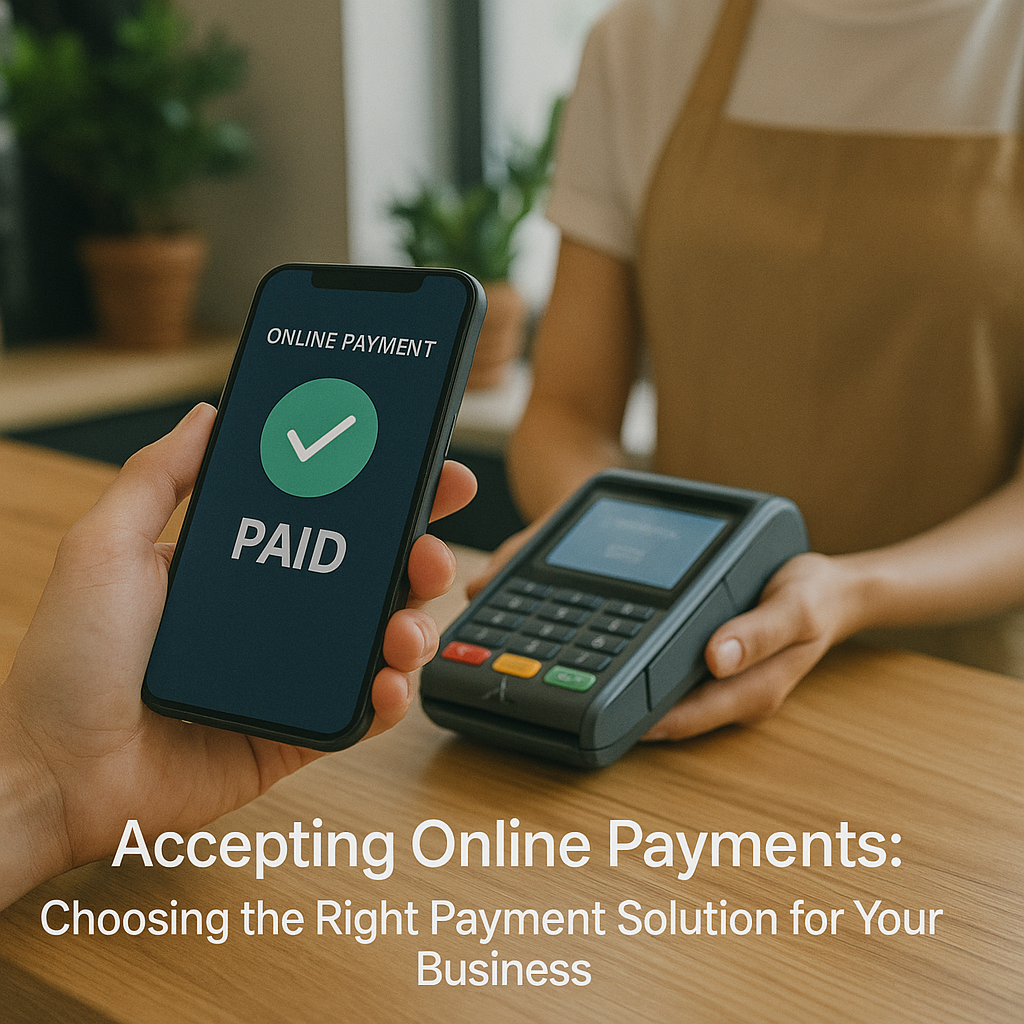
Accepting Online Payments: Choosing the Right Payment Solution for Your Business
More business insights

A practical framework for deciding when AI agents may view balances, prepare payments, seek approval or execute tightly bounded transactions.

A post-acquisition platform consolidation framework for deciding what to retain, staging cutovers, and testing savings, service, and control risks.
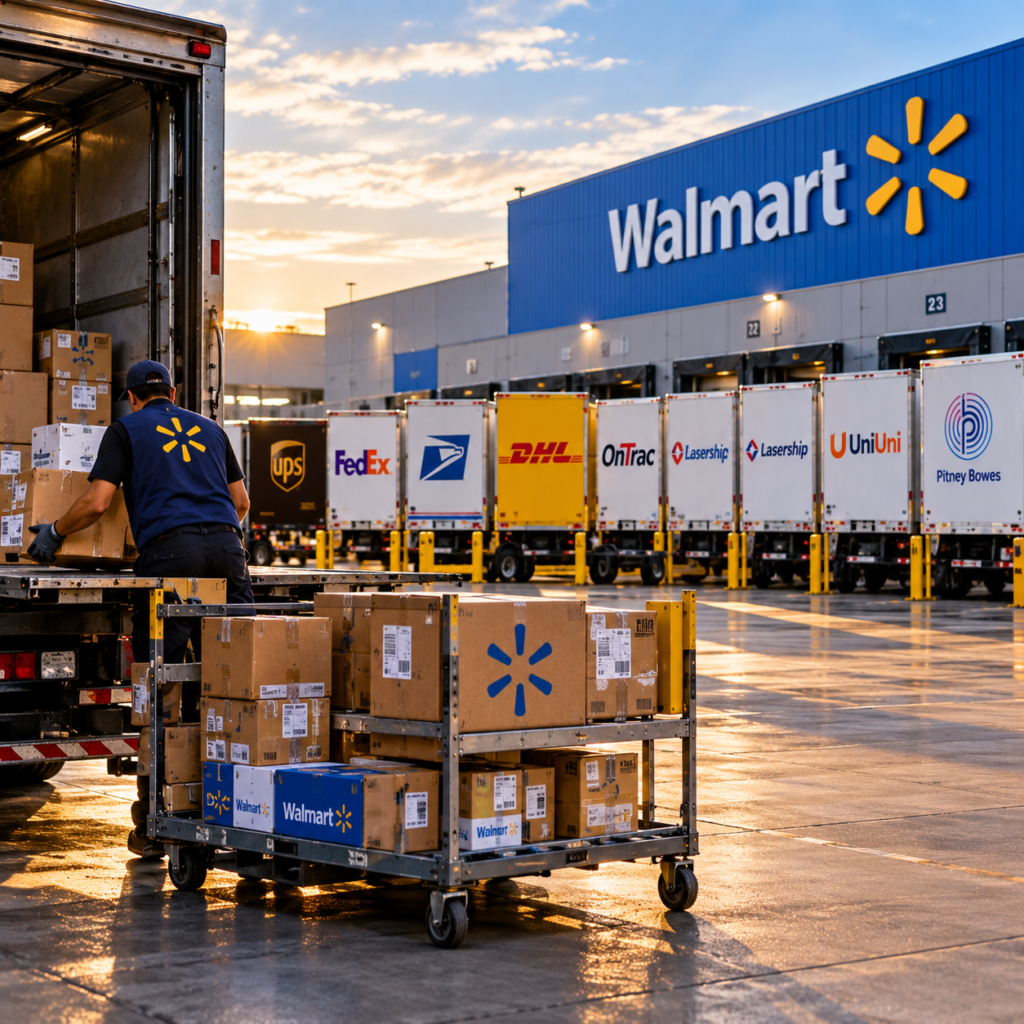
Walmart added eight carriers for seller-fulfilled orders. Compare coverage, total cost, tracking, claims support and capacity before shifting volume.