Every business encounters the challenge of managing resources effectively while keeping pace with rapid technological advancements. For entrepreneurs and small business owners, the decision to buy or lease tech equipment is a critical one. In today’s fast-paced market, it is essential to evaluate your financial status, operational requirements, and long-term objectives. This guide on buying versus leasing tech equipment will help you navigate the decision-making process by examining key factors, weighing the benefits and drawbacks, and exploring smart financing options. Understanding Ownership and Flexibility When investing in technology, the decision to buy or lease often comes down to balancing long-term ownership with flexibility. Purchasing tech equipment usually requires an upfront investment but provides full ownership and the freedom to modify or sell the asset as needed. Conversely, leasing offers the flexibility to upgrade your equipment more frequently without worrying about depreciation. Your choice will depend on your business’s growth trajectory. In fast-evolving industries, staying current with the latest technology may outweigh the benefits of owning equipment that can become outdated quickly. However, if stability and customization are critical to your operations, buying might be the more strategic choice. Carefully consider the pros and cons of buying versus leasing tech equipment to align with your business strategy. Financing Options and Hidden Costs An essential aspect of this decision is understanding the financing options available for tech equipment. Whether you decide to buy or lease, each option carries its own financial implications. Purchasing typically involves securing a loan, which can give you more control over the asset but also exposes you to risks like depreciation and rapid obsolescence. It is wise to review various funding schemes, including equipment loans and lines of credit, to determine the best fit for your needs. Leasing, on the other hand, often comes with attractive terms that bundle service agreements and maintenance into your monthly payment. However, some lease contracts may include clauses that limit operational flexibility, hidden fees, or early termination penalties. It is crucial for entrepreneurs to compare the effective cost of leasing against the total cost of ownership over time. Respected sources, such as Forbes, emphasize that aligning your financing approach with your overall business strategy is key. By comparing different options, you can navigate these complexities and choose the solution that best suits your business. Finding the Right Fit for Your Business When deciding between buying and leasing, consider the unique needs of your company. Evaluate factors such as the pace of technological change in your industry, the expected lifecycle of your equipment, and your cash flow situation. Startups and small businesses with limited budgets may benefit from leasing’s flexibility, while larger enterprises with stable revenue streams might find purchasing to be a more cost-effective long-term strategy. Both buying and leasing evolve based on market conditions and technological breakthroughs. Business owners are encouraged to explore practical resources, such as the business solutions and tips page, to stay informed about current trends and best practices. A comprehensive evaluation of your tech needs will help you determine whether investing in high-end equipment outright is the right move or if leasing offers a smarter, risk-averse alternative for keeping pace with innovation. Tax implications also play a significant role in your decision. Leasing can offer attractive tax benefits with lease payments often being fully deductible as business expenses. Alternatively, the depreciation of purchased equipment can be deducted over several years, potentially influencing your overall financial strategy. Consulting with an accountant or financial advisor can provide clarity and ensure that your decision supports your business goals. Ultimately, there is no one-size-fits-all answer. Each option presents unique advantages and potential drawbacks. Align your choice with your business model, growth expectations, and risk tolerance. By thoroughly comparing the pros and cons of buying versus leasing tech equipment, you can avoid unexpected challenges and set your company up for long-term success. Evaluate the flexibility and long-term benefits of owning versus upgrading through leasing. Analyze financing options and consider potential hidden costs in tech equipment acquisitions. Assess the operational needs and tax implications of each option according to your business size and growth prospects. Utilize expert resources and guidance to make an informed decision that aligns with your business strategy.
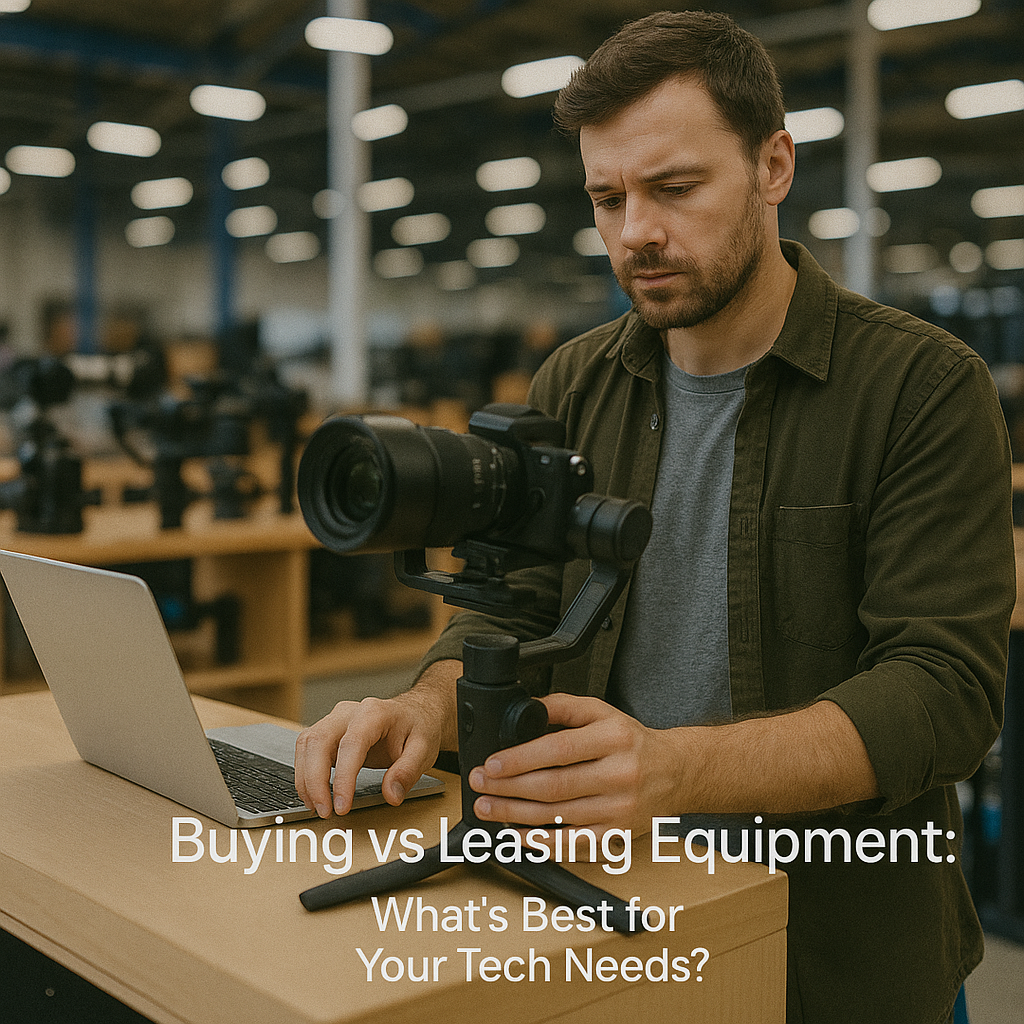
Buying vs Leasing Equipment: What’s Best for Your Tech Needs?
More business insights
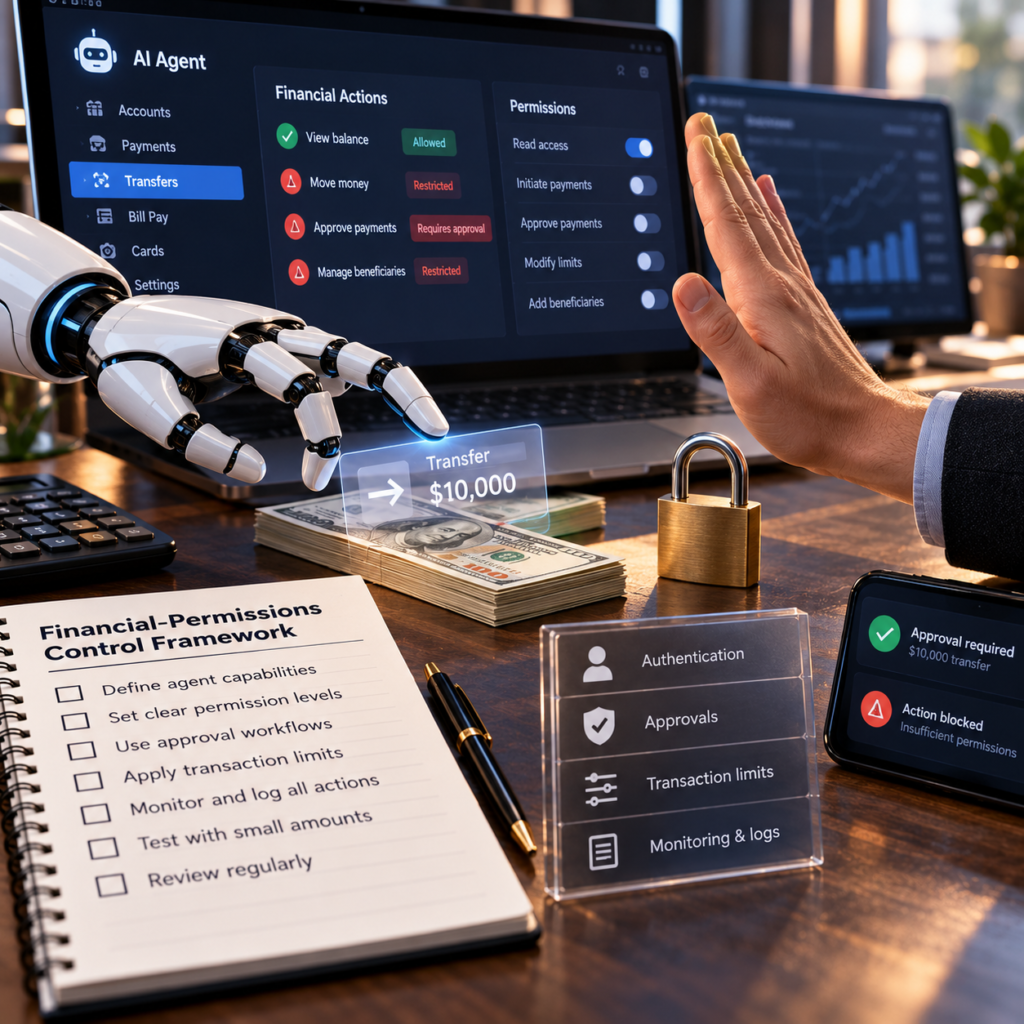
A practical framework for deciding when AI agents may view balances, prepare payments, seek approval or execute tightly bounded transactions.
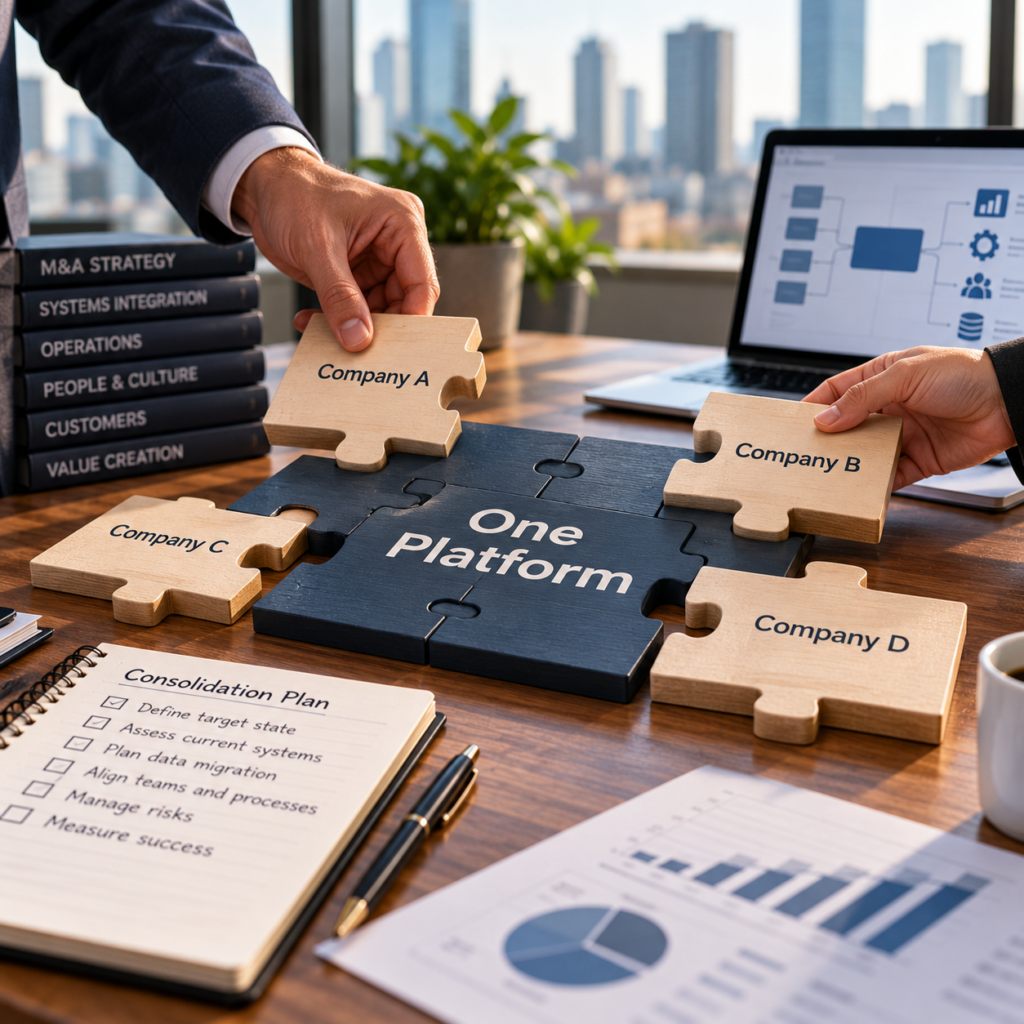
A post-acquisition platform consolidation framework for deciding what to retain, staging cutovers, and testing savings, service, and control risks.
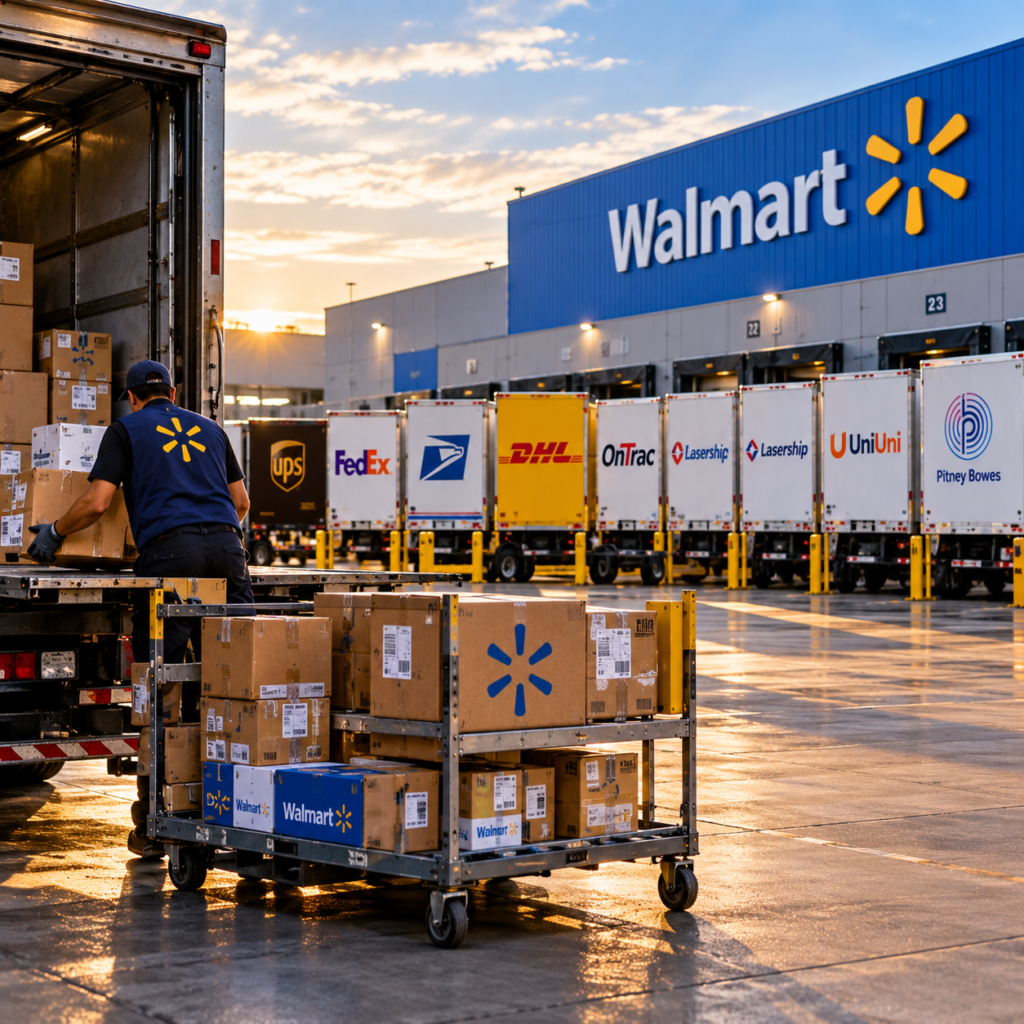
Walmart added eight carriers for seller-fulfilled orders. Compare coverage, total cost, tracking, claims support and capacity before shifting volume.