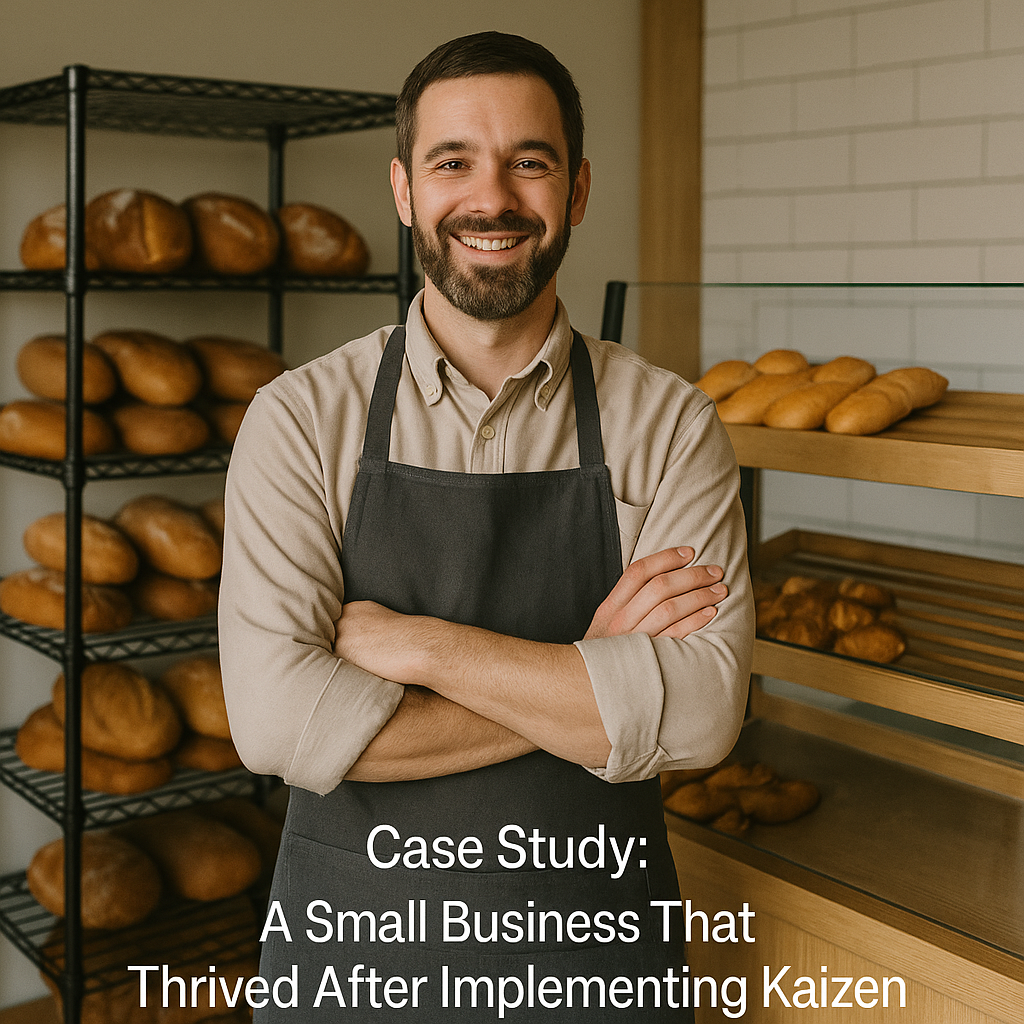
Small businesses face unique challenges that demand innovative solutions to stay competitive and grow. In this case study, we detail how one company leveraged Kaizen—a continuous improvement strategy—to transform everyday operations into a powerhouse of efficiency and innovation. Discover practical benefits and actionable steps that entrepreneurs and business owners can apply to their own organizations.
Embracing Change: The Beginning of a Transformation
This business started as a modest operation burdened by inefficiencies that hindered productivity and dampened morale. Realizing that occasional fixes were not enough for survival in a competitive market, the leadership team embraced a sustainable, continuous improvement model. Their shift toward Kaizen—a philosophy of consistent, small changes—fueled a cultural transformation, unlocking untapped potential and setting the stage for long-term success.
The team began with a comprehensive review of existing processes, identifying bottlenecks and centralized decision-making that slowed adaptation. Involving employees from all levels, the company not only spotlighted inefficiencies but also invited fresh ideas to resolve persistent challenges. This focus on open dialogue and incremental progress marked a major step toward establishing a thriving, continuously improving business environment.
Practical Steps for Continuous Improvement
Implementing Kaizen wasn’t about grand overhauls—it was about making small, meaningful adjustments over time. Here are the key steps that led to their success:
- Team Empowerment: Employees were encouraged to own their roles and suggest process enhancements, sparking innovative ideas and unexpected wins.
- Regular Feedback Sessions: Frequent check-ins and brief meetings enabled the team to evaluate successes and identify areas needing improvement.
- Data-Driven Decisions: By combining qualitative insights with performance metrics, the company ensured every change contributed to overall efficiency.
By methodically incorporating these strategies, the business transformed its internal processes and fostered a mindset of continuous improvement. The cumulative effect was a significant boost in operational efficiency and employee satisfaction, making the company a model for other small enterprises looking to adopt similar practices.
The Impact on Business Performance and Company Culture
The Kaizen approach not only improved operational metrics but also transformed the company culture. Each small improvement made employees feel valued and motivated, creating an environment where ideas flourished and innovation became a daily practice.
Adopting a continuous improvement mindset taught employees that change is an ongoing journey toward excellence. This perspective extended beyond routine tasks to customer service, product development, and strategic planning, making the company more adaptable in a fast-paced market.
Regular feedback sessions and cross-department collaboration turned ideas into initiatives that streamlined workflows and reduced waste. For instance, re-engineering one process resulted in a 20% reduction in waste, lowering costs and enhancing the company’s environmental footprint. These successes underline the power of persistent, incremental improvements.
Sharing their progress on platforms like Forbes further inspired entrepreneurs, demonstrating that small changes can lead to impressive long-term benefits.
A notable strategy was the implementation of daily recognition programs celebrating even minor achievements. Over time, these initiatives boosted morale and cultivated a strong sense of ownership among employees. This collaborative spirit transformed the organization into a dynamic, continuously evolving business.
Real-World Insights: Key Lessons for Entrepreneurs
This Kaizen case study offers practical insights for any small enterprise looking to drive improvement. Entrepreneurs can take away the following lessons:
- Start Small, Dream Big: Even modest changes can deliver powerful, long-term results when taken one step at a time.
- Prioritize Employee Involvement: Involving your team in decision-making fosters innovation and commitment. Explore our business management strategies for more insights on empowering teams.
- Measure Every Improvement: Use clear metrics to define success. When employees see measurable progress, engagement and morale soar.
- Plan for Long-Term Success: Immediate gains may be small, but persistent effort can lead to significant cumulative benefits over time.
This transformation story demonstrates the power of Kaizen in a small business setting. Building a culture of continuous improvement not only drives operational excellence but also instills purpose and ownership across all levels. When every team member is committed to contributing ideas, businesses become more resilient and better equipped to navigate today’s dynamic market.
The secret to long-term success lies in the relentless pursuit of progress. Even small businesses can achieve transformative outcomes by adopting incremental changes, embracing regular feedback, and fully engaging their employees. Remember, Kaizen isn’t about overhauling systems overnight—it’s about being better today than you were yesterday.
This case study is just a glimpse of what’s possible. As more small businesses implement continuous improvement strategies, we can expect a new wave of innovation and efficiency that reshapes entire industries. This Kaizen success story is proof that a steadfast commitment to small, consistent improvements can pave the way to revolutionary business growth.
- Adopting Kaizen means making small, incremental changes for sustained growth.
- Empowering employees and gathering regular feedback are vital for ongoing improvement.
- Data-driven decisions and clear metrics validate the impact of every change.
- A culture of continuous improvement can transform a small business into a thriving enterprise.