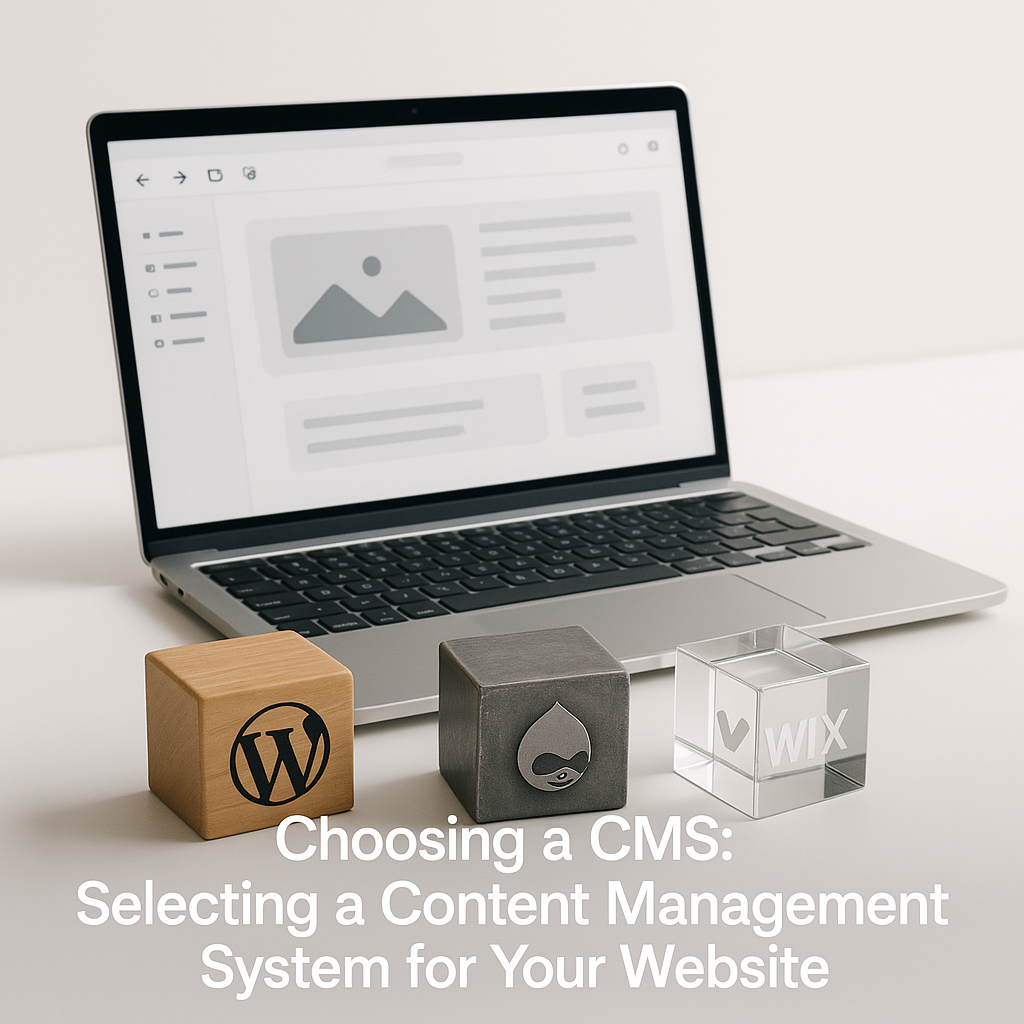
Entrepreneurs and small business owners often face critical decisions when managing their online presence. In today’s digital landscape, the CMS you choose can influence your operational efficiency, scalability, and overall success. Selecting the right CMS is not just about picking a tool—it lays the foundation for your business’s digital future.
Understanding Your Needs Before Making a Choice
Before exploring technical features, it is essential to understand your website’s purpose and your business goals. Ask yourself: What functions are most important? Whether you require robust e-commerce capabilities, a portfolio, or a blogging platform, listing your needs will help you avoid costly complications later.
Many small business owners find that clarifying the scale of their operations simplifies decision-making. For example, an online store may benefit from a CMS with strong e-commerce integrations, while a personal blog might only require a lightweight solution. Start by outlining your needs, then evaluate which features will support both your short-term and long-term objectives.
Evaluating Key Features and Functionality
When comparing CMS options, focus on features that align with your current and future business goals. Look for platforms that offer:
- User-Friendly Interface: A streamlined editing experience saves time, especially if you update your site frequently.
- Customization and Flexibility: Your CMS should adapt as your business evolves, allowing you to add or modify features without extensive technical know-how.
- Security: Choose a system with robust security protocols to protect against increasing cyber threats.
- Scalability: Ensure the CMS can handle increased traffic and new functionalities as your business grows.
- Support and Community: A strong support network—whether from official channels or active community forums—can be invaluable when troubleshooting issues.
Incorporate these tips into your CMS selection process for effective website management. For instance, if you need integrated SEO tools or multi-language support, ensure the CMS you choose offers these capabilities. A thoughtful evaluation process helps you avoid the pitfalls of selecting a system that is either too rigid or too complicated for your needs.
Step-by-Step Guide to Choosing a Content Management System
Follow this systematic approach for a smooth decision-making process:
1. Define Your Objectives
Clearly establish what you want your website to achieve—whether it’s lead generation, sales, or community-building. With well-defined objectives, you can match your needs to a CMS’s features. Create a list of must-have functionalities and desired integrations.
2. Research Available Options
With your requirements in hand, start researching popular CMS platforms such as WordPress, Joomla, Drupal, and Shopify. Each platform has its strengths and weaknesses. For example, WordPress is renowned for its ease-of-use and vast plugin ecosystem. Consult trusted industry sources like Forbes to understand how aligning your CMS with your business strategy can improve productivity.
3. Trial and Error
Take advantage of free trials and demos. Many CMS platforms offer sandbox versions that allow you to evaluate the user interface, dashboard intuitiveness, and ease of integrating additional tools like email marketing or CRM systems.
4. Consider Future Needs
Select a CMS that grows with your business. Think about potential expansions such as new product lines, increased site traffic, or the need for advanced features like AI-driven analytics. A scalable CMS can reduce future headaches associated with rework or migration.
This structured approach helps prevent the mistake of choosing a platform that does not align with your long-term strategy.
Cost, Customization, and Community Support
Financial considerations are crucial for small businesses and startups. While free CMS options might seem attractive, they can come with hidden costs—such as limited customizability or support. Often, investing in a premium solution can be more cost-effective by reducing the need for constant updates or additional plugins.
Customization is key. A CMS that adapts to your specific workflows, rather than forcing you into preset patterns, can offer a competitive edge. Additionally, a vibrant user and developer community provides ongoing support through active forums, regular updates, and community-generated plugins.
For more expert insights on building and managing online platforms, visit the Make Business insights page. Their resources offer valuable tips and strategies to enhance your website management process.
Real-life success stories underscore how selecting the right CMS can transform digital strategies, leading to greater operational efficiency and enhanced customer engagement.
Ultimately, the goal is to create a seamless workflow that allows you to focus on growing your business, not battling technology. Modern CMS platforms with drag-and-drop interfaces and user-friendly tools make website management more intuitive and less time-consuming.
By thoroughly evaluating and testing potential systems, you can avoid common pitfalls—such as over-customization or underestimating post-implementation support needs. A CMS that supports dynamic content adjustments, mobile-responsive designs, and modular layouts simplifies SEO and user experience improvements.
A well-integrated CMS not only streamlines content updates but also drives user engagement, improves navigation, and ultimately enhances customer satisfaction. Entrepreneurs who invest time in researching and testing different platforms typically enjoy more robust long-term growth.
Beyond built-in features, consider the broader ecosystem of plugins and integrations. These tools can streamline analytics, enhance customer feedback collection, and support social media engagement. A CMS that evolves with emerging technologies ensures you remain competitive and future-proof.
Regularly revisit your initial priorities and evaluate your website’s performance through user feedback and analytics. A suitable CMS evolves with your business, adapting to new trends and technological advances in the constantly changing digital space.
- Define key website functionalities for tailored CMS recommendations.
- Assess user interface, customization options, security, scalability, and support features.
- Follow a step-by-step guide to test and implement your chosen platform.
- Prioritize flexibility and future-proof solutions for sustained growth.