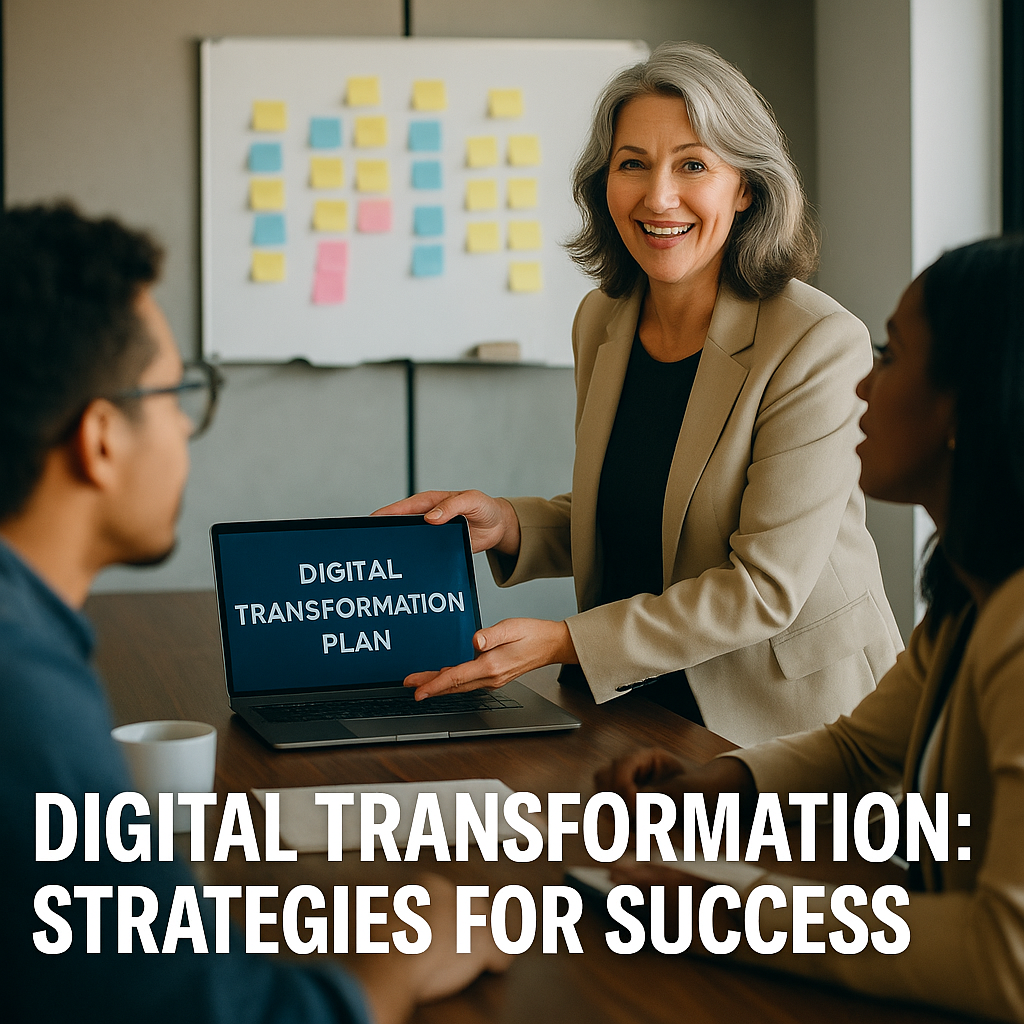
Digital transformation is more than just a buzzword—it is a critical strategy for remaining competitive in today’s dynamic market. For entrepreneurs and small business owners, adopting digital technology not only boosts efficiency and customer experience but also unlocks new growth opportunities. By understanding modern digital transformation strategies, you can turn challenges into strategic advantages.
Understanding the Digital Landscape
Digital transformation means integrating technology into every aspect of your business to fundamentally change how you operate and deliver value. It goes beyond acquiring new tools—it requires rethinking your business models, refining processes, and nurturing a culture of innovation. As customer expectations evolve, companies that adapt quickly maintain a competitive edge.
For small businesses and startups, the focus is not on large IT investments but on creating seamless, tech-driven experiences that captivate customers and optimize internal operations. Customizing digital transformation strategies to your business needs helps you stay agile and efficient, ensuring long-term competitiveness.
Crafting a Digital Transformation Roadmap for Organizational Success
A successful digital transformation begins with a clear, well-planned roadmap. Start by assessing your current processes, identifying technological gaps, and pinpointing areas that would benefit most from digital enhancement. Conduct thorough research, and keep up with emerging trends to create an informed strategy.
Once you understand your starting point, define your business objectives. Establish specific, measurable goals—whether it’s boosting customer engagement, reducing operational expenses, or launching innovative digital products. Clear objectives help you select the right digital tools and platforms to drive progress.
Remember, digital transformation is an ongoing journey. Regular assessments and adjustments are necessary to ensure your strategy remains effective. With a clear vision and strategic planning, even small businesses can enhance customer satisfaction and streamline operations, leveraging innovation and adaptability to secure success.
Effective Digital Transformation Implementation Best Practices
With your roadmap in place, focus on best practices for digital transformation implementation. Securing leadership buy-in and fostering a cultural shift are essential. Change should be embraced throughout the organization with transparent communication and training programs that empower your team to use new technologies effectively.
Implement your digital tools in phases. Start with pilot projects that allow your team to adjust gradually. Early successes build confidence and provide key insights that can later be scaled across the organization.
Maintain flexibility as market conditions evolve. Adapt your plans constantly to keep pace with technological advancements and market trends. Resources like Forbes provide valuable perspectives on navigating these challenges, emphasizing the importance of continuous evaluation and an agile approach.
Integrating Technology and Enhancing Business Strategies
Digital technology has transformed customer engagement and operational management. Utilizing cloud-based solutions, for example, helps reduce infrastructure costs while offering scalability that grows with your business. Data analytics tools can further guide your decision-making by delivering real-time insights into customer behavior and market trends.
Entrepreneurs should continuously explore innovative tools that align with their business strategies. Whether it’s automation software for streamlined processes or robust cybersecurity solutions for data protection, each technology should support your strategic vision. Integrating modern tech with traditional business practices creates a resilient framework for sustainable growth.
For additional insights on advanced business strategies, visit MakeBusiness.eu. Their expert advice and resources can illuminate the journey of digital transformation, ensuring every step moves your business forward.
While technology is the backbone of digital transformation, the human element is equally important. Invest in continuous training, workshops, and mentorship programs to build a tech-savvy, agile team. Empowering your employees ensures that digital tools are used to their fullest potential and translate into real business benefits.
Measuring performance is crucial to sustained success. Establish clear metrics—such as customer satisfaction, process efficiency improvements, or employee engagement—to monitor the impact of digital initiatives. Regular assessments provide feedback that informs future adjustments, keeping your transformation aligned with business objectives.
Networking with peers and staying informed about industry trends can further enhance your transformation efforts. Participate in digital transformation communities, industry events, or webinars to gain fresh insights and discover potential partnerships. In an era when digital strategies drive sustainable growth, connecting with industry experts opens doors to new opportunities.
In today’s competitive environment, digital transformation is essential. It empowers you to adapt quickly, adopt the latest technologies, and constantly refine your processes to thrive in the market.
Remember, digital transformation is not just about replacing outdated systems—it’s about instilling a digital mindset throughout your organization. By developing a strategic roadmap and applying best practices, you lay the groundwork for innovation, long-term profitability, and resilience in a rapidly evolving market.
Although the journey can seem overwhelming at first, breaking the process into manageable steps, setting clear goals, and staying adaptable can lead to significant milestones. With evolving customer expectations and ever-emerging technologies, now is the ideal time to invest in digital strategies that equipped your business for future challenges.
Ultimately, digital transformation is about reimagining your business to operate more efficiently, engage more effectively with customers, and leave a lasting impact in a competitive landscape. Whether you’re integrating new digital tools, revamping internal processes, or investing in employee development, every effort contributes to driving your business forward.
- Embrace digital transformation as an ongoing journey, not a one-time project.
- Develop a clear and flexible roadmap aligned with your strategic goals.
- Implement changes gradually through pilot programs before scaling up.
- Invest in training and consistently measure performance to ensure success.


