In today’s fast-paced digital landscape, entrepreneurs and small business owners are constantly seeking intelligent solutions to streamline their marketing efforts and achieve measurable results. Email marketing automation is a proven method to align your outreach with modern consumer expectations, transforming routine communications into a powerful sales engine. With this approach, you can drive revenue growth while reducing manual effort.
Harnessing the Power of Automation
Imagine a reliable system that not only sends your marketing emails but also anticipates customer needs and delivers the right message at the optimal moment. This is the true potential of email marketing automation. Instead of manually mailing every subscriber, automation enables you to set up detailed workflows – from welcoming new customers to re-engaging those who have gone silent.
Automation tools help craft personalized customer journeys, where emails are tailored to individual behaviors and interests. Whether you’re nurturing new subscribers with a series of welcome emails or enticing repeat buyers with targeted offers, automation maximizes efficiency and effectiveness. The time saved by automating these processes can be reinvested in developing innovative marketing strategies or enhancing your products and services.
Designing Automated Campaigns for Maximum Impact
To boost revenue with automated email marketing, you must design campaigns with clear objectives. Follow these key steps to build an effective, automated email campaign:
1. Define Your Audience and Goals
Understanding your audience is critical. Segment your customers based on behavior, purchasing history, and engagement levels to deliver highly relevant content. Whether your aim is to nurture leads or promote time-sensitive offers, aligning your messages with every stage of the customer journey leads to increased engagement and conversion rates.
2. Develop Valuable, Personalized Content
Your emails should address the specific needs and interests of each customer. Personalized content—with dynamic content blocks and tailored subject lines—can significantly boost conversion rates. By ensuring each email feels custom-made, you enhance the connection with your reader and drive revenue growth through minimal-effort automated marketing.
3. Map Out a Customer Journey
A strategic customer journey means delivering the right message at every touchpoint. Start with a warm welcome email that introduces your brand, then gradually present your products or services as the customer becomes more familiar with your business. This approach builds trust, fosters long-term engagement, and positions your company as a reliable industry leader.
Leveraging Data and Technology
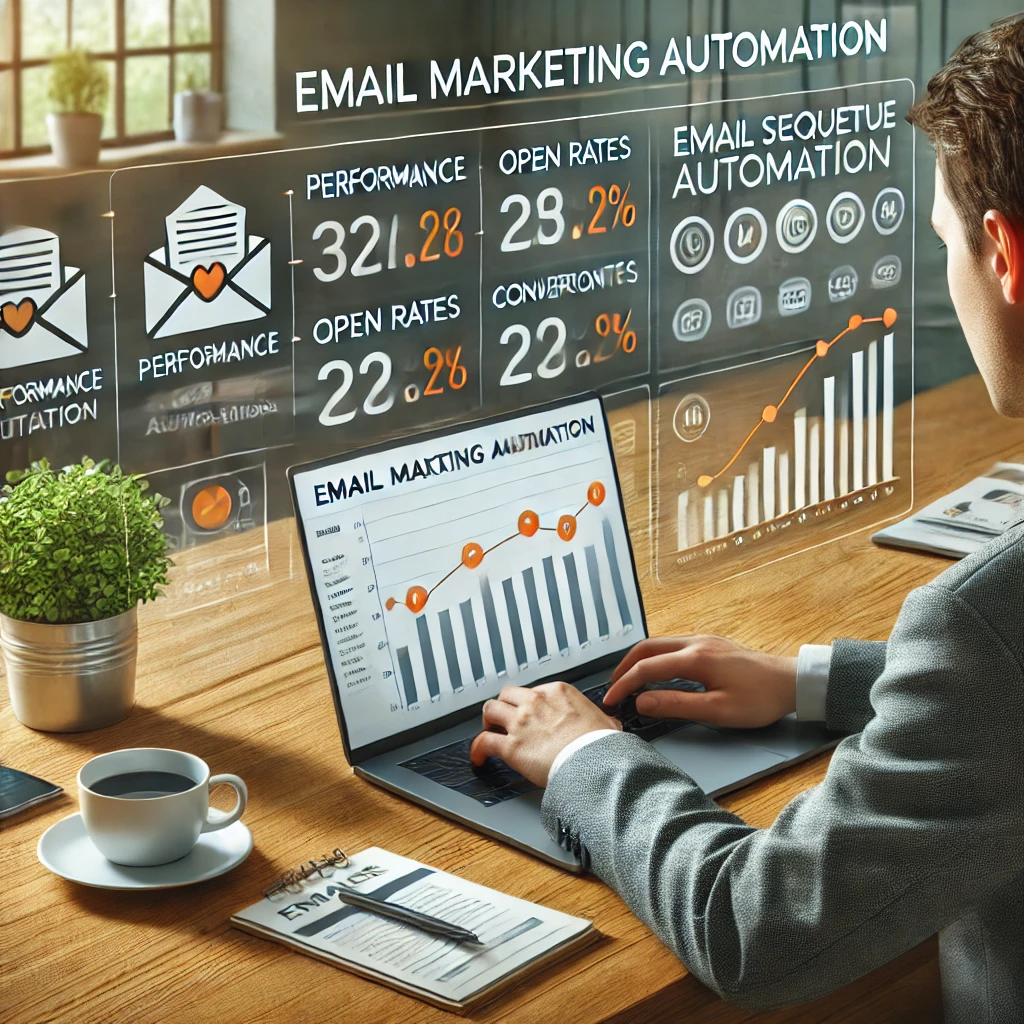
Effective automation goes beyond scheduled emails—it relies on data-driven insights to continuously refine your strategy. Modern email marketing platforms offer robust analytics for monitoring open rates, click-through rates, and conversions. By analyzing these metrics, you can fine-tune your content, identify successful tactics, and adjust strategies to meet customer expectations.
For example, A/B testing different subject lines or call-to-action buttons provides valuable insights into subscriber behavior. Integrating these data-driven decisions into your workflow not only improves email performance but also unlocks further personalization opportunities. Implementing a customer relationship management (CRM) system alongside your email automation creates a comprehensive view of each customer and enables more precise segmentation.
Adapting to Customer Behavior and Trends
The digital market is ever-evolving, so staying current with trends is essential for continued success. Whether adapting to mobile-first communication or meeting the increasing demand for immediate responses, businesses must remain flexible. Automated email systems can be adjusted in real time based on customer feedback and market dynamics, ensuring your messages always resonate.
Entrepreneurs can find valuable insights and best practices on sites like Forbes, which highlight how integrating modern tech solutions into traditional marketing elevates business performance. Additionally, platforms such as Business Insights feature real-world examples of email marketing automation success. Learning from these case studies can inspire you to tailor your email sequences and stay ahead of changing consumer behavior.
Automation also ensures consistency in your marketing efforts. Whether sending seasonal promotions, event invitations, or loyalty rewards, an automated schedule keeps your brand top-of-mind. This consistent approach builds trust and credibility, essential for customer retention and ongoing sales growth.
Integrating Automation into Your Overall Marketing Strategy
Automated email marketing becomes significantly more powerful when integrated with your overall marketing strategy. Align your email sequences with social media campaigns, website content, and offline promotions for a unified brand experience. This multi-channel approach reinforces your message through multiple touchpoints, guiding potential customers seamlessly from initial interest to final purchase.
For instance, a visitor who reads an insightful blog post on business growth tips can be automatically enrolled in an email campaign that further nurtures their interest and showcases your products or services. Seasonal adjustments in your campaigns—such as automated special offers during holiday periods—can also provide a significant revenue boost, creating a cohesive and responsive marketing ecosystem.
Treat automation as a strategic partner rather than just a tool. When combined with creativity and thoughtful planning, email marketing automation drives high customer engagement, strengthens loyalty, and ultimately boosts sales. Regularly update your campaigns and stay informed on emerging trends to keep your marketing efforts both resilient and effective.
Business owners who embrace email marketing automation can free up valuable time and resources, paving the way for sustainable and scalable growth. This streamlined approach allows you to focus on what truly matters—innovating and expanding your business.
Adopting email marketing automation is more than upgrading technology; it’s a strategic investment in lasting success. With personalized content, strategic segmentation, and continuous data analysis, you can nurture leads more effectively and build enduring customer relationships.
- Automated workflows save time and deliver messages tailored to each customer.
- Audience segmentation boosts engagement by reaching the right customers at the right time.
- Data-driven insights enable continuous campaign improvement and increased sales.
- Integration with broader marketing strategies creates a unified, responsive brand experience.