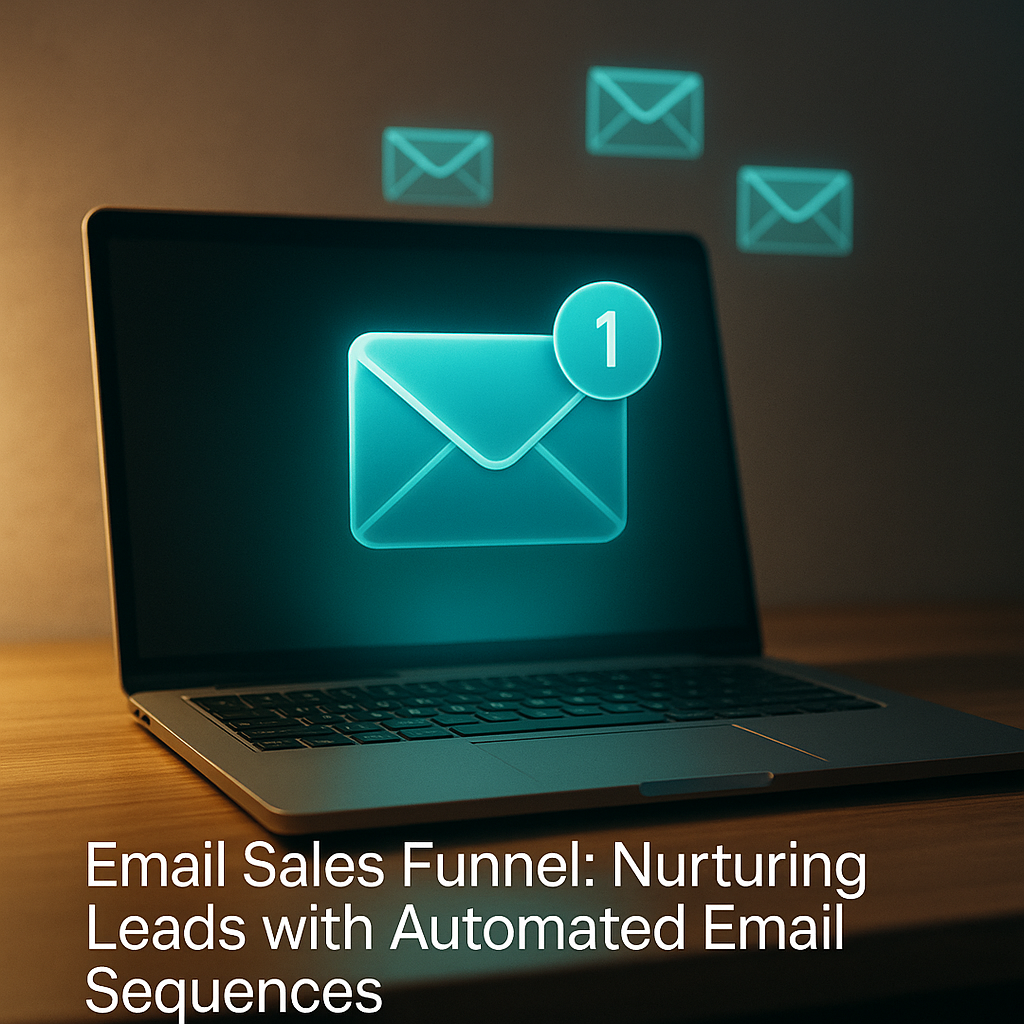
Every entrepreneur and small business owner knows the importance of connecting with potential customers, yet scaling this connection remains a challenge. An effective email sales funnel combined with automated email marketing can revolutionize your outreach. By using a sequence of automated emails, you can build lasting relationships, educate prospects, and guide them towards decisive actions.
The Power of a Well-Designed Email Funnel Strategy
A strategic email funnel is a catalyst for turning initial interest into long-term loyalty. Rather than overwhelming prospects with generic messages, a tailored email funnel delivers value at every touchpoint. Each perfectly timed message addresses specific needs and builds trust, creating memorable experiences that set your brand apart in a competitive market.
Automated email marketing plays a critical role in this process. By implementing an automated sequence for your sales funnel, you can immediately welcome new subscribers, share relevant insights about your offerings, and nurture them step by step. This automation not only saves valuable time but also allows small businesses and entrepreneurs to focus on innovation and growth.
Additionally, a well-crafted email funnel provides actionable insights through key metrics like open rates, click-through rates, and conversions. Analyzing these metrics enables you to continuously refine your messaging to remain relevant and effective. For more in-depth growth strategies, consider checking out expert insights on Forbes.
Setting Up an Automated Email Sequence for Sales Funnel Success
To create a seamless automated email sequence, start by identifying where your prospects are in their journey. Typically, this journey starts with awareness, progresses to interest and evaluation, and culminates in decision-making. Consistent communication at every stage builds a strong, trusting relationship with potential customers.
Craft a welcome series that introduces your brand, establishes credibility, and highlights how your product or service can solve their pain points. Your welcome email should warmly greet new subscribers, introduce your company, and provide a preview of the value they can expect in future messages. This initial engagement lays the foundation for nurturing leads with automated email marketing.
Next, segment your audience based on behavior. When a lead shows interest in a specific feature or service, follow up with targeted content that deepens that interest. This personalized approach, supported by powerful marketing automation tools, ensures your emails remain relevant and engaging.
The success of an automated email sequence lies in its flexibility. Continuously test and optimize your emails by A/B testing subject lines, call-to-action buttons, and content. Monitoring these insights not only refines your email funnel strategy but also ensures your messaging evolves with your audience’s expectations.
Practical Tactics for Deepening Engagement and Building Trust
Building strong relationships with your leads requires more than automation—it demands genuine content and timely communication. Use storytelling to share client successes, case studies, or behind-the-scenes insights. This humanizes your brand and forges a connection that goes beyond the product, making your automated email marketing efforts more impactful.
Integrate social proof into your campaigns by showcasing testimonials, expert reviews, and user-generated content. Linking to detailed analyses on platforms like Entrepreneur can further validate your offerings and build trust with potential customers.
Incentives and exclusive content also play a vital role. Offer early access to new features, discount codes, or free trials to encourage that crucial first purchase. With an engaged audience already following your automated email sequence, these extras can catalyze conversions.
Ensure your emails address common questions and challenges faced by your leads. By acknowledging pain points and providing clear, valuable solutions at each stage, you increase the likelihood of moving prospects through your sales funnel to full conversion.
Integrating Email Funnels with Broader Digital Strategies
An effective email funnel strategy becomes even more powerful when integrated with your overall digital marketing efforts. For small businesses aiming to expand their online presence, synchronizing your email marketing with social media, website content, and PPC campaigns is crucial.
For example, enhancing your website with gated content and prominent sign-up forms can funnel targeted leads into your automated email sequence. Cross-channel strategies, as highlighted on digital business growth platforms, help diversify your audience and reinforce your brand’s consistency.
Utilize analytical tools to gather data from multiple sources, allowing you to pinpoint which parts of your email sequences perform best and where improvements are needed. Regularly refining these strategies ensures that your email marketing remains aligned with your audience’s needs.
Finally, optimize your emails for mobile devices. With many users checking emails on smartphones, a responsive design and clean layout are essential to maintain the impact of your beautifully crafted messages.
Striking the perfect balance between automation and personalization is key. While automated systems offer efficiency, adding personal touches—such as addressing recipients by name or referencing previous interactions—can significantly elevate your email campaigns.
Your ultimate goal is to create an environment where leads feel understood, valued, and excited to engage with your brand. For entrepreneurs and small business owners, these strategies can transform a passive subscriber list into a dynamic community of loyal customers.
Whether you’re just beginning with automated email marketing or looking to enhance your current process, these adaptable strategies provide a framework to maximize engagement and drive sustainable growth. Experiment, analyze, and refine until you achieve the perfect balance for your business.
- Create a diverse mix of automated emails that guide prospects through awareness, interest, and decision-making.
- Utilize personalization and segmentation to maintain relevance and build trust.
- Integrate your email funnel with broader digital marketing channels for a unified strategy.
- Regularly test and optimize your emails to improve open rates, engagement, and conversions.