Eritrea is quickly becoming a hotspot for entrepreneurs, investors, and small business owners seeking opportunities beyond traditional markets. The nation’s evolving infrastructure sector is at the heart of this transformation. With innovative strategies and strong government initiatives, emerging infrastructure investment opportunities in Eritrea are unlocking potential that was once unimaginable.
Unlocking Growth Through Modern Infrastructure
A nation’s backbone is its infrastructure, and Eritrea is committed to modernizing its roads, schools, energy grids, and communication networks. This transformation goes beyond merely constructing facilities; it is about creating a resilient foundation for sustainable economic growth and seamless integration with global markets.
Investors are drawn to the prospect of participating in strategic infrastructure projects in Eritrea. With a focus on public-private partnerships, the government is paving the way for job creation and local enterprise expansion while positioning Eritrea as an attractive destination for global investments.
Strategic Projects Powering Transformation
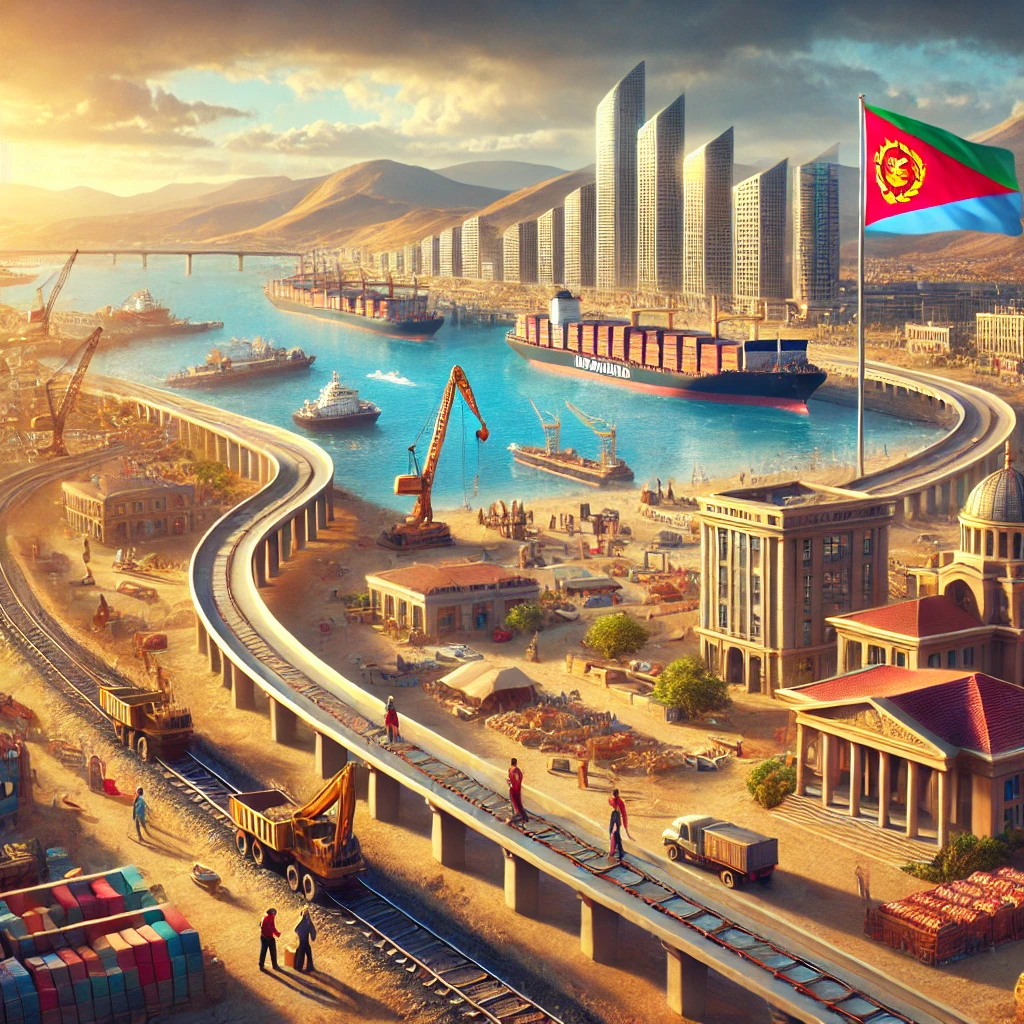
Key infrastructure projects in Eritrea are redefining its economic landscape. These projects span transportation networks, port developments, and renewable energy solutions that improve logistics and streamline supply chains in a globally connected economy.
Renewable energy initiatives, for example, are thriving by integrating local expertise with modern technology. These projects deliver stable, cost-effective power across urban and rural areas, enhancing living standards and reducing business expenses to boost productivity and competitiveness.
Designed with a long-term vision, these projects bring together international expertise and local capabilities. For entrepreneurs, aligning with such growth strategies offers a unique opportunity to generate significant local impact while connecting with global trends.
Embracing Long-Term Infrastructure Growth Strategies
Alongside current projects, Eritrea is charting long-term growth strategies to shape its economic future. Investors and business owners must understand these projections to plan effectively and tailor their strategies for success.
The emphasis is shifting from short-term gains to building resilient networks that support sustainable development. This holistic approach ensures that as physical infrastructure improves, regulatory policies and community engagement frameworks evolve to sustain future growth.
Government reforms promoting transparency and international investment have created a business-friendly environment. Entrepreneurs can leverage advancements in digital connectivity, including e-commerce, remote working, and e-governance, to explore targeted opportunities that fuel further innovation and expansion.
Opportunities for Entrepreneurs and Small Business Owners
The ripple effects of these infrastructure developments extend into sectors that may not seem directly related. Enhanced transportation and upgraded energy grids improve supply chains, reduce costs, and boost overall productivity—benefits that are particularly attractive to small business owners seeking to innovate or expand operations.
Sectors such as renewable energy, transportation, logistics, and digital technology are receiving increased investment, creating fertile ground for both startups and established companies to flourish.
Entrepreneurs are encouraged to combine local market insights with global business approaches. Leading platforms like Forbes have highlighted that nations undergoing significant infrastructure upgrades are ideal environments for pioneering business models.
Regional cooperation also presents exciting prospects. Improved road networks and communication channels are connecting Eritrea with neighboring markets, broadening the consumer base and enabling businesses to tap into new supply chains.
Boosting Business Growth Through Digital Platforms
Digital platforms are essential in bridging infrastructure development with business success. Websites like makebusiness.eu provide in-depth market research, regulatory updates, and investment news that help entrepreneurs navigate Eritrea’s evolving landscape.
Digital connectivity is more than just communication—it is a strategic asset. Businesses can harness digital marketing, e-commerce, and remote management to overcome geographic challenges, maximizing returns as physical and digital infrastructures converge.
Enhanced internet connectivity reduces barriers for market entry, enabling innovators worldwide to conduct thorough market analyses, build local partnerships, and launch successful ventures that benefit from Eritrea’s expanding infrastructure.
Eritrea’s commitment to modernizing its infrastructure is a powerful catalyst for change. Entrepreneurs and small business owners should take note of these trends since emerging infrastructure investment opportunities in Eritrea promise both immediate benefits and sustainable future growth. By embracing strategic infrastructure projects and long-term development strategies, businesses are well-positioned to thrive in a dynamic economic landscape.
This comprehensive approach to national development, combining economic policies, technological innovation, and global partnerships, offers a compelling invitation to forward-thinking business leaders. Eritrea is setting the stage for a future where local markets seamlessly integrate with global investment trends.
In summary, Eritrea’s progressive infrastructure reforms signal a vibrant era of growth. Business owners and entrepreneurs considering international expansion or new ventures will find this evolving landscape to be a source of endless opportunities. Timing is crucial—investing in understanding these trends today will position you at the forefront of tomorrow’s market success.
- Eritrea is emerging as a hub for progressive infrastructure investment.
- Strategic projects focus on sustainable and inclusive growth.
- Long-term strategies integrate modern technologies with robust policies.
- Entrepreneurs can capitalize on digital platforms for regional and global success.