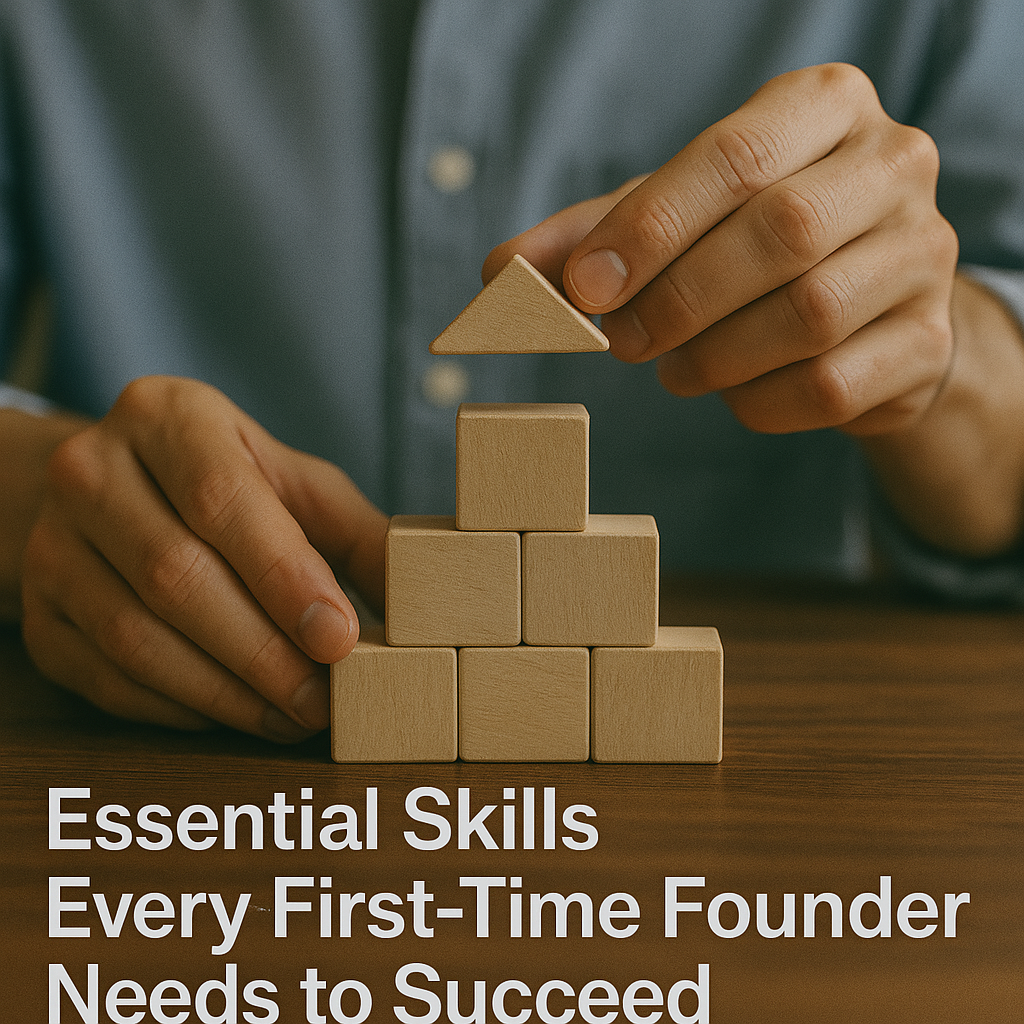
Navigating the Startup Landscape with Confidence
Launching your first business can feel like setting sail in uncharted waters. The entrepreneurial journey is filled with challenges, unexpected twists, and rewarding triumphs. As a new founder, you need more than just innovative ideas—you need a well-honed skill set to guide you through tough decisions, market shifts, and team dynamics.
Whether you are drafting an expert business advice post or refining your business model, it’s crucial to invest in a diverse range of skills. In this guide, we explore the essential skills checklist for first-time founders, highlighting key entrepreneurial abilities that lead to startup success. By mastering these must-have startup skills, you can significantly boost your chances of long-term success.
Building Your Foundational Skill Set
The first step on your entrepreneurial journey is to build a strong foundation. Many first-time founders focus exclusively on product development, but effective leadership, strategic planning, and financial management are just as essential. Consider these critical areas:
Leadership and Team Management
A thriving startup is built on a strong team. Your ability to inspire, motivate, and lead is crucial. Effective leadership goes beyond task delegation—it’s about cultivating a positive culture, communicating a clear vision, and nurturing talent.
When creating your essential skills checklist, focus on:
- Encouraging open and honest communication
- Identifying and leveraging team member strengths
- Setting transparent company goals and addressing challenges openly
These approaches create an environment where creativity thrives and challenges are addressed proactively.
Strategic Thinking and Problem-Solving
In the fast-paced world of startups, agility is key. Strategic thinking involves staying ahead of market trends, assessing risks, and seizing new opportunities. Paired with robust problem-solving skills, you can pivot and adapt when challenges arise.
Learn from successful entrepreneurs featured in sources like Forbes, whose timely pivots turned obstacles into opportunities. This kind of adaptability is one of the most critical entrepreneurial abilities for achieving startup success.
Mastering Financial and Operational Management
Beyond creativity and strategy, a successful founder must also excel in financial and operational management. Often, the difference between a flourishing startup and one that struggles lies in effective cash flow management, smart resource allocation, and streamlined operations.
Financial Acumen and Budgeting
A strong grasp of financial fundamentals is essential for sustainability. You don’t have to be an accountant, but understanding how investments drive revenue growth and knowing when to adjust your budget are vital.
Focus on:
- Accurate budget planning and forecasting
- Tracking key performance indicators (KPIs)
- Managing expenses and monitoring cash flow carefully
Integrating these financial practices into your daily operations can drive smarter reinvestments and boost your bottom line.
Operational Efficiency and Scaling
Maintaining operational efficiency while scaling up is a delicate balance. Operational skills include creating streamlined processes, establishing efficient workflows, and leveraging technology to automate routine tasks.
Follow these guidelines for sustainable growth:
- Regularly review and refine operating procedures
- Invest in technology and tools to enhance productivity
- Commit to continuous improvement and employee training
Embedding these principles into your business model not only boosts productivity but also enhances overall team morale.
Embracing Marketing and Sales Challenges
Many first-time founders mistakenly believe that a great product or service alone is enough to guarantee success. However, even the most innovative offerings need effective marketing to reach their target audience.
Successful marketing and sales strategies drive growth. Communicating your brand’s unique value right from the start is as important as perfecting your product.
Developing a Marketing Mindset
A marketing mindset involves viewing your business through the customer’s eyes. Understand consumer behavior, craft compelling narratives, and let data guide your decisions. A customer-centric approach ensures that every decision—from product development to customer service—strengthens your brand.
Regularly review your marketing metrics, such as social media feedback, conversion rates, and data analytics, to fine-tune your messaging and strategy.
Sales Strategies and Relationship Building
Sales are more than closing deals—they are about building lasting relationships. For startups, strong customer relationships lead to repeat business, referrals, and ongoing growth.
Enhance your sales approach by:
- Engaging in active listening to understand customer needs
- Offering personalized solutions tailored to individual clients
- Following up consistently to ensure customer satisfaction
These strategies not only drive initial sales but also build a loyal customer base that champions your brand.
The Role of Personal Growth
While technical and operational skills are indispensable, personal growth is equally important for any entrepreneur. As a first-time founder, you will wear many hats and face situations that demand resilience and constant self-improvement.
Personal growth complements professional development. Invest in yourself by remaining open to feedback, expanding your network, and seeking mentorship.
Consider joining local entrepreneurial groups or online communities where ideas are shared and support is mutual. Platforms like LinkedIn can help you build valuable connections and learn how others have overcome early-stage challenges.
Remember, setbacks are a natural part of the journey. Embrace them as opportunities to learn and grow. Every successful entrepreneur has faced moments of doubt; what matters most is moving forward with renewed determination.
The road to startup success is paved with creativity, strategic planning, and a willingness to evolve. Regularly revisit your essential skills checklist and reflect on how each skill contributes to your broader vision. Whether you are sharpening your financial acumen or strengthening your sales network, every skill you develop builds your resilience as a founder.
Focusing on these competencies creates a robust framework for your business, preparing you for the inevitable ups and downs of entrepreneurship. With the right blend of passion and pragmatism, you can transform challenges into opportunities for success.
For deeper insights and advanced strategies to enhance your startup journey, visit platforms like makebusiness.eu.
- Embrace leadership and foster a collaborative team environment
- Enhance strategic thinking and problem-solving skills
- Develop strong financial acumen and operational efficiency
- Adopt a customer-centric marketing and sales mindset