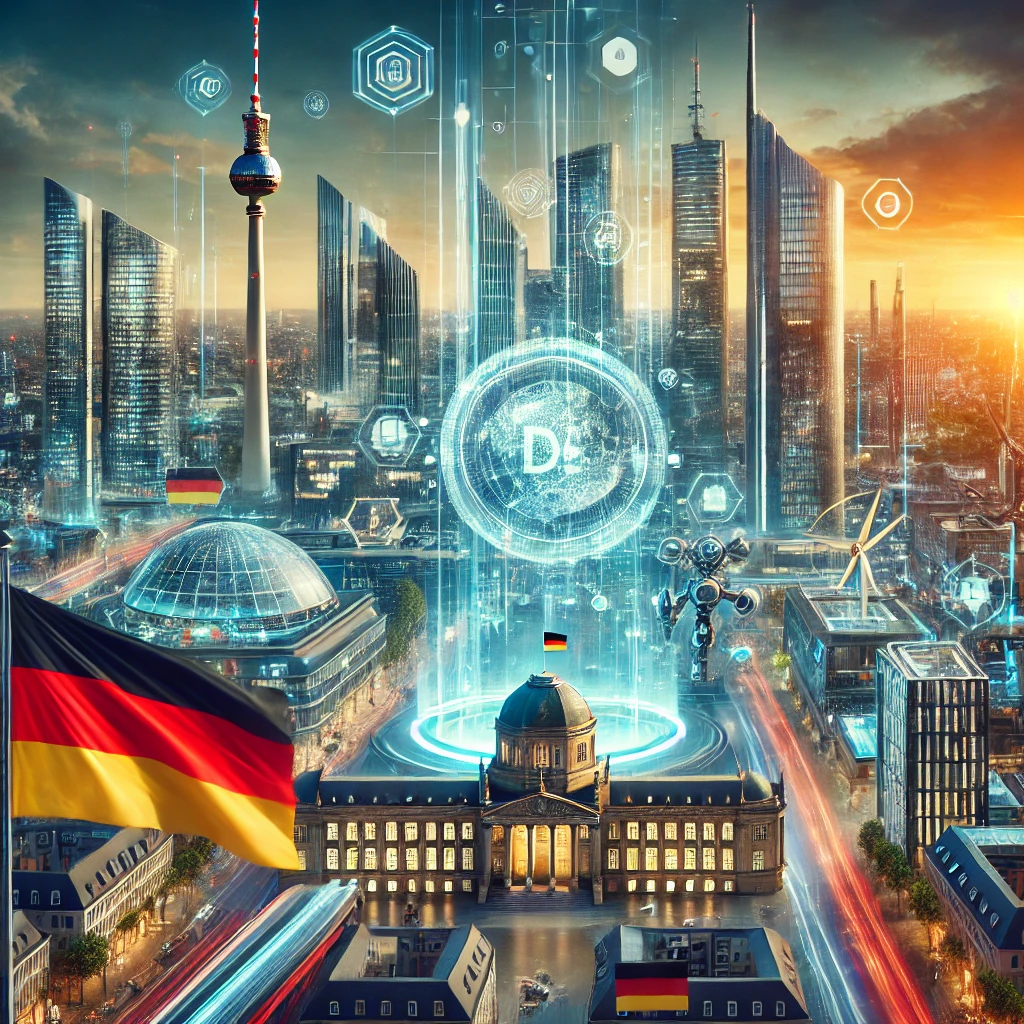
Germany’s leadership in innovation is well earned, as it seamlessly blends its rich industrial heritage with a visionary outlook. In today’s fast-paced world of entrepreneurship and small business growth, Germany stands out as an economic powerhouse known for breakthrough technologies and adaptive business models. Its impressive track record in technological advances and sustainable practices attracts entrepreneurs worldwide, positioning Germany as a benchmark for modern European economic trends. Technology Leadership plays a pivotal role in shaping these trends.
The Evolving Landscape of Germany’s Economy
Companies of every size in Germany are embracing change, proving that innovation is not the sole preserve of multinational giants. Many startups and small business owners are emerging as trailblazers by experimenting with new models and technologies to capture niche markets. This dynamic shift has transformed Germany into a vibrant ecosystem where traditional industrial strength meets pioneering innovation.
Entrepreneurs aiming to succeed on the global stage can learn valuable lessons from Germany’s strategic blend of research, development, and strategic partnerships. Whether advancing renewable energy solutions or integrating smart manufacturing processes, Germany demonstrates how adopting the latest technologies can secure a competitive edge and pave the way for a sustainable future.
Nurturing an Environment for Innovation
Behind Germany’s success is a well-coordinated network that includes academic institutions, supportive government programs, and a thriving startup culture. Universities and research centers partner closely with businesses to nurture innovative ideas, backed by substantial investments in research and emerging technologies. This synergy between public support and private initiative creates a fertile ground for turning breakthrough concepts into market successes.
Numerous programs offer local entrepreneurs financial aid and mentorship, guiding startups through initial challenges and fostering a culture of calculated risk-taking and creative problem-solving. The steady stream of patents and technological innovations coming from this collaborative environment reinforces Germany’s status as a leading hub for economic innovation.
Innovation Strategies Fueling Technology Leadership
Germany’s commitment to technology leadership is central to its economic stature. Companies continuously invest in advanced R&D, positioning themselves as global leaders in sectors such as automotive engineering, software development, and renewable energy. By prioritizing innovation in both design and functionality, German firms not only optimize their production processes but also set high standards for the international market.
This proactive approach is particularly inspiring for startups, which frequently harness digital solutions such as advanced data analytics, artificial intelligence, and Internet of Things (IoT) applications to enhance their operations. Their initiatives contribute significantly to European innovation trends and demonstrate how technology can drive sustainable progress and market transformation.
Effective integration of diverse technologies fosters collaboration between established industries and emerging tech sectors. For small business owners, this illustrates that investing in technology not only enhances operational efficiency but also opens up new avenues for disruptive business models capable of reshaping the market landscape.
Lessons for Entrepreneurs and Small Business Owners
Germany’s robust ecosystem offers valuable lessons for entrepreneurs. Its balanced emphasis on quality, efficiency, and innovation provides a replicable framework for small business success worldwide. By embracing continuous learning and agile adaptation, companies of all sizes can thrive in competitive markets.
Local enterprises can benefit by adopting structured R&D processes. Rather than requiring massive investments, even modest, focused expenditures in lean research can spark breakthrough ideas. This strategy helps businesses remain resilient in times of rapid change while enabling them to seize emerging market opportunities.
Another important takeaway is the power of combining internal expertise with external insights. Germany’s close collaboration among industry, academia, and government demonstrates that pooling collective knowledge can yield innovative solutions to complex challenges. Entrepreneurs can explore further business insights at Make Business, where success stories and actionable strategies inspire new ventures.
Modern technology plays a crucial role in this ecosystem. From digital transformation to advanced automation, incorporating these technologies into daily operations can set a business apart from its competitors. German companies serve as excellent examples of how to maintain a competitive edge while simultaneously propelling industry-wide progress. Embracing these methods can be the catalyst small businesses need to achieve unprecedented success.
Building a strong network is equally vital. Whether through local industry groups, national innovation hubs, or international partnerships, collaboration is the secret to sustainable growth. Participating in transnational initiatives and attending industry conferences provides entrepreneurs with insights into how global players are leveraging innovation, thereby reinforcing Germany’s status as a central hub for European economic trends.
Moreover, a strategic approach to risk management is essential for fostering innovation. In Germany, a culture of calculated risk-taking—grounded in thorough research and planning—encourages experimentation and creative solutions. For small business owners, this means that measured risks, underpinned by data-driven insights, can transform challenges into new growth opportunities while building long-term resilience.
Looking to the future, the fusion of traditional values with cutting-edge technologies will continue to propel Germany to the forefront of innovation. As emerging markets and global competitors intensify, the focus on technology leadership and sustainable practices will become even more critical. Entrepreneurs who adopt these models can learn from Germany’s continuous reinvention, proving that innovation is not merely a trend but a strategic imperative for long-term success.
In summary, Germany’s journey offers actionable insights and strategies for entrepreneurs and small business owners. Whether scaling a startup or revitalizing an established enterprise, embracing continuous innovation, leveraging modern technology, and building robust networks can unlock new opportunities for growth. In an increasingly competitive landscape, drawing inspiration from Germany’s integrated approach may be the key to achieving sustained industry leadership.
- Germany combines rich industrial heritage with modern innovation to set global benchmarks.
- Collaboration among academia, government, and businesses drives creative solutions.
- Strategic investment in technology and research is vital for maintaining a competitive edge.
- Calculated risk-taking and robust networking are essential for sustainable growth.